UV Ink Resins for Inkjet and Printing Applications: Pigment Wetting, Adhesion and Flexibility
Lencolo UV ink resins support pigment wetting, fast curing, flexibility and substrate adhesion for UV inkjet, screen, flexographic and offset printing formulations.
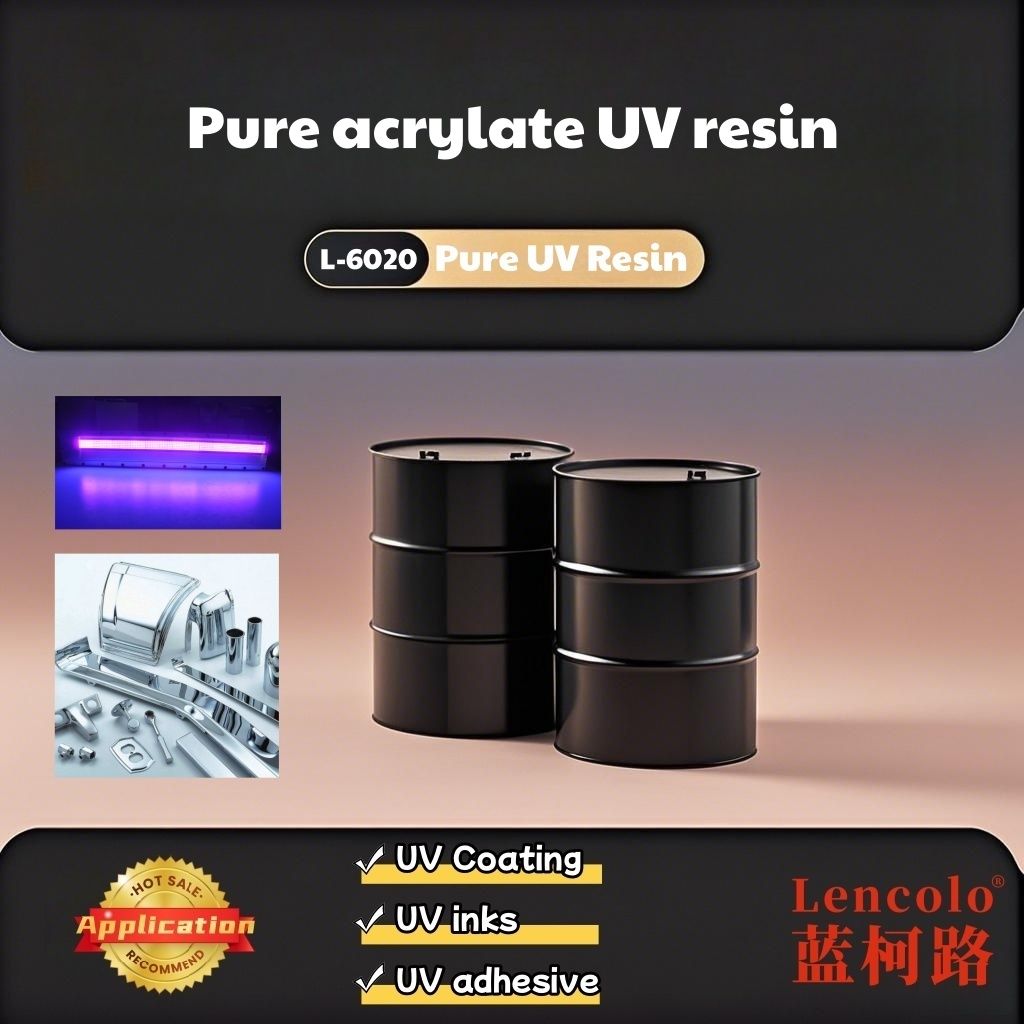
UV ink formulation requires a balance between viscosity, pigment wetting, substrate adhesion, flexibility, and curing speed. These factors influence ink application, printed-film quality, and production efficiency. For manufacturers working with UV inkjet, screen printing, flexographic, and offset inks, selecting the right UV resin is an important step in developing a formulation that meets the requirements of the printing process and final substrate.
UV resins influence film formation and the mechanical properties of cured ink. Their performance depends on resin chemistry, reactive monomers, photoinitiators, functional additives, pigment characteristics, and curing conditions. A suitable resin should therefore be selected according to the specific formulation objective rather than treated as a universal solution for every printing application.
Key Selection Factors for UV Ink Resins
Pigment wetting and formulation stability
Pigment wetting is an important consideration in UV ink development. The interaction between the resin and pigment affects dispersion behavior and can influence color consistency, gloss, and storage stability. Resin viscosity and compatibility with the other formulation components also affect processing.
Lencolo offers two resin options identified for pigment wettability. L-6121 is a low-viscosity UV polyester resin with good pigment wettability, while L-6211 is a low-viscosity, difunctional UV polyurethane resin designed for the same formulation objective. These options allow ink formulators to evaluate different resin chemistries when developing pigment-containing UV inks.
Viscosity and curing response
Viscosity requirements differ between printing technologies. UV inkjet formulations require particular attention to fluidity and reliable jetting, while screen, flexographic, and offset inks have their own application requirements. Resin selection should consider the intended printing method and the viscosity of the complete formulation.
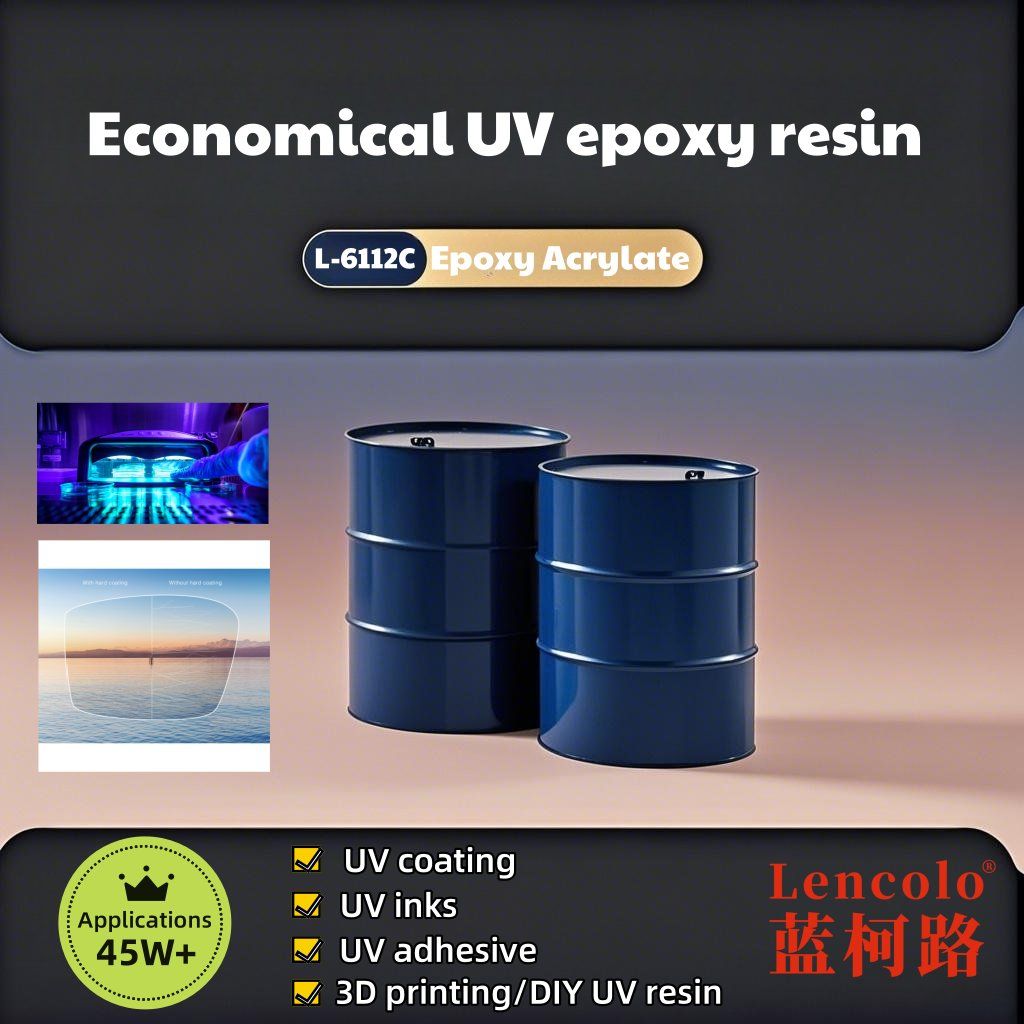
L-6111, a low-viscosity UV epoxy acrylic resin, is identified for fast curing. It can be evaluated in UV ink formulations where curing response is a key requirement. Actual curing performance depends on the complete formulation, photoinitiator system, pigment loading, UV source, and process conditions.
Flexibility and substrate compatibility
Printed films may need to withstand bending, handling, or subsequent processing. Insufficient flexibility can contribute to cracking or film damage under mechanical stress, making resin selection especially important for flexible substrates.
L-6105 is a low-viscosity UV polyurethane resin characterized by high elasticity and flexibility. L-8412A is a UV polyurethane resin identified for high flexibility on PET substrates. These materials are candidates for evaluating flexibility-related requirements in UV ink systems, with final suitability confirmed through application testing.
Adhesion to glass, hardware, and other substrates
Adhesion requirements vary according to the substrate and its surface condition. Glass and hardware surfaces may require different resin chemistry from PET films or other flexible materials.
L-8400A and L-8400B are UV resin options identified for glass and hardware applications, with good adhesion as a key property. L-6030 and L-6040 are UV pure acrylic resins associated with adhesion in UV ink applications. Their performance should be assessed on the actual substrate and within the intended formulation.
Building a Balanced UV Ink Formulation
Resin selection is only one part of UV ink development. Reactive monomers can help adjust viscosity and crosslinking behavior, while photoinitiators support the curing process under the selected UV or LED light source. Functional additives may also be needed to improve wetting, dispersion, leveling, or other application-specific properties.
These components must be compatible with one another. For example, a formulation for flexible PET printing may prioritize flexibility and adhesion, while an ink intended for glass or hardware may focus more strongly on substrate bonding. Pigment type, pigment concentration, printing method, and curing conditions can further influence the final result.
A practical development process begins by defining the substrate, printing technology, application viscosity, and required cured-film properties. Candidate resins should then be evaluated in comparable formulations. Relevant assessments may include pigment dispersion, application behavior, curing response, adhesion, and flexibility. Testing under representative production conditions helps determine whether a resin meets the requirements of the intended application.
Lencolo UV Ink and Inkjet Material Solutions
Guangdong Lencolo New Material Co., Ltd., operating under the Lencolo brand, supplies UV-curable materials for industrial ink and coating formulation. Its UV Inkjet & UV Inks product range includes resins associated with pigment wetting, fast curing, flexibility, and substrate adhesion.
The range includes L-6121 and L-6211 for pigment wettability, L-6111 for fast curing, L-6105 and L-8412A for flexibility-related requirements, and L-8400A/L-8400B and L-6030/L-6040 for selected adhesion applications.
Beyond UV resins, Lencolo supplies reactive monomers, photoinitiators, and functional additives that can be evaluated as part of a complete ink formulation. The company also describes raw-material supply, sample development, and customized formulation support for customers working with different printing processes and performance targets.
Conclusion
Selecting UV ink resins requires balancing pigment wetting, viscosity, curing response, flexibility, and substrate adhesion. The most suitable material depends on the printing technology, formulation composition, substrate, and final performance requirements.
By matching resin characteristics to specific formulation objectives and validating results through controlled testing, ink manufacturers can make more informed material-selection decisions. Lencolo’s UV Inkjet & UV Inks range provides several resin options for evaluating these requirements in UV-curable printing applications.
Related products
-
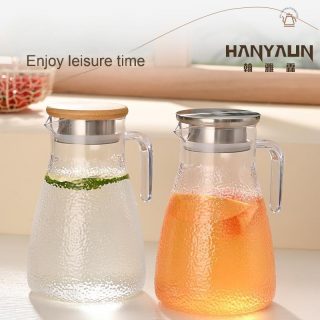
Juice pot, cold water pot, lemon pot, hammered pattern pot, suitable for kettles in homes and restaurants
Contact UsMade of high-quality acrylic material, high transparency, lightweight, and impact resistant. Its production process is exquisite and the surface is smooth. Modern design, beautiful hammer pattern, and ergonomic curved handle. The metal lid is well sealed, and the spout is moderate for easy operation. Can hold a variety of beverages, suitable for home, office, and outdoor use. Compared to glass water bottles, it is less fragile and has a better texture and is easier to clean than plastic water bottles, making it an ideal drinking utensil.
Reviews
There are no reviews yet.