Pet Disinfectant Filling Solutions: A Precision Guide by HONGKONG SINBON
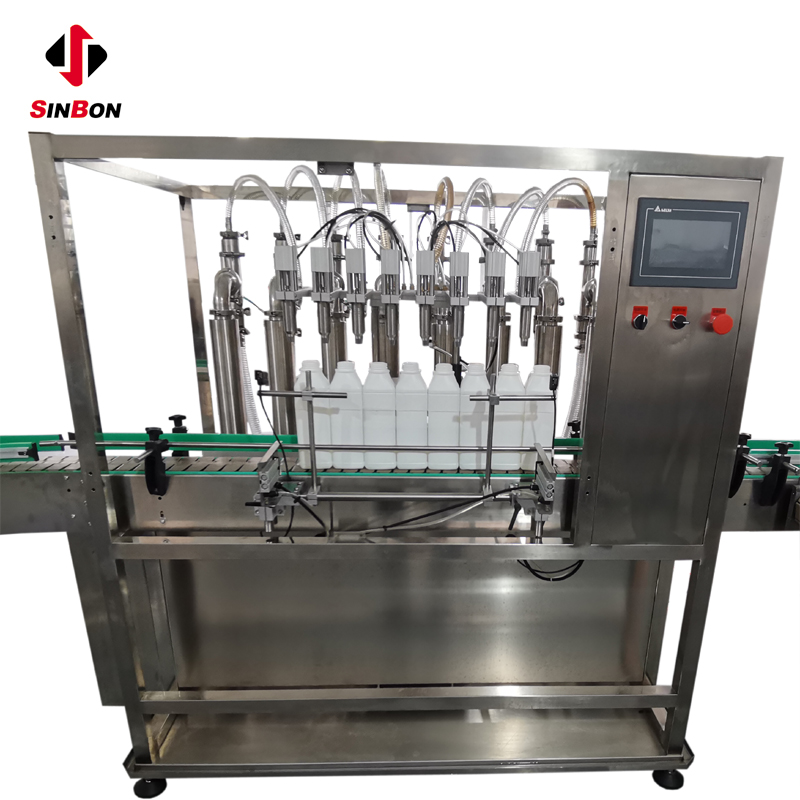
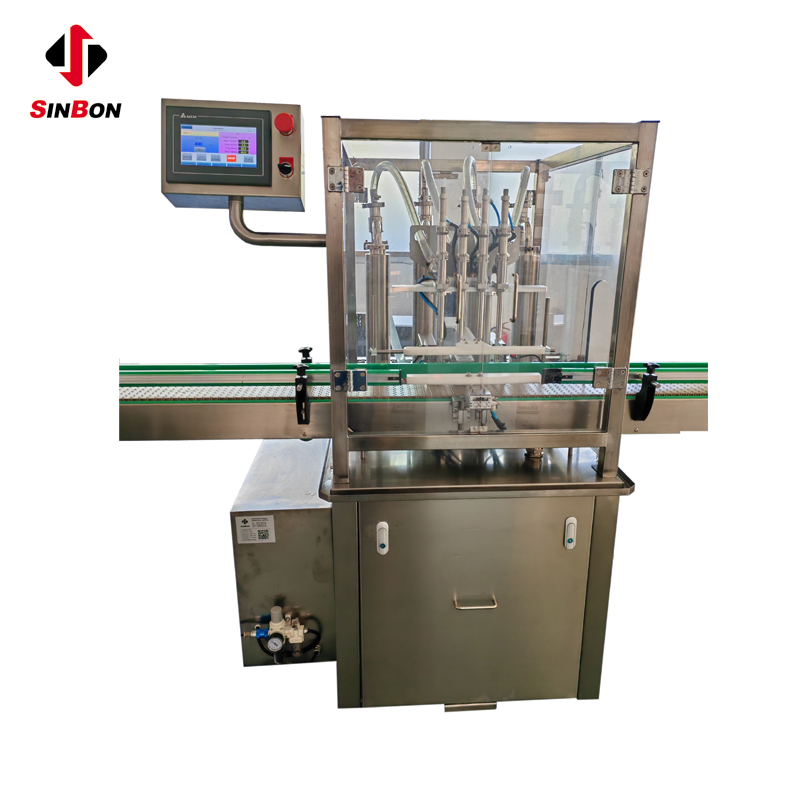
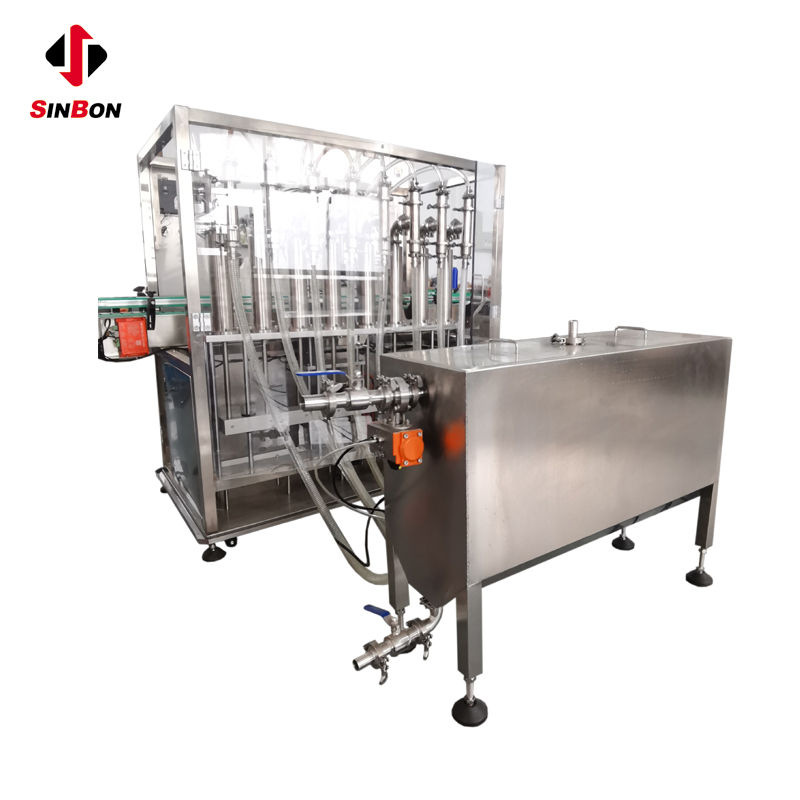
SINBON Automatic five Heads Pails Filling Machine is latest design for solve 20-25L pails filling, improve production capacity
The pet care industry has experienced unprecedented growth in recent years, with pet disinfectant products becoming essential items in households, veterinary clinics, grooming facilities, and animal shelters worldwide. As manufacturers scale production to meet rising demand, selecting the right filling equipment has become a critical decision that directly impacts product quality, operational efficiency, and compliance with hygiene standards.
Understanding the Unique Challenges of Pet Disinfectant Filling
Pet disinfectant products present distinct challenges in manufacturing environments. These formulations typically contain active antimicrobial agents, surfactants, and specialty additives that require precise dosing to maintain efficacy while ensuring safety for animals. The viscosity of these products can vary significantly—from water-thin sprays to gel-based formulations—demanding filling equipment capable of handling diverse product characteristics.
Cross-contamination presents another critical concern. Manufacturing facilities producing multiple pet care products must implement rigorous cleaning protocols between production runs to prevent ingredient mixing that could compromise product integrity or trigger adverse reactions in animals. Additionally, filling accuracy directly affects both product performance and profitability, as overfilling wastes costly raw materials while underfilling creates compliance issues and customer dissatisfaction.
Essential Capabilities for Pet Disinfectant Filling Equipment
Modern pet disinfectant production requires filling systems that deliver several fundamental capabilities. Filling precision stands paramount, with accuracy levels of ±0.5% to ±1.0% ensuring consistent product dosing across thousands of containers. This precision maintains formulation effectiveness while minimizing material waste that can significantly impact production costs over time.
Hygienic design represents another non-negotiable requirement. Equipment must facilitate thorough cleaning between batches without requiring specialized tools or extensive downtime. Food-grade stainless steel construction—typically SUS304 or SUS316 for products with corrosive components—ensures material compatibility and prevents contamination risks that could compromise pet safety.
Versatility in handling different container formats and fill volumes adds substantial operational value. Pet disinfectants are marketed in diverse packaging from small 50ml spray bottles to large 5-gallon institutional containers for veterinary facilities. Equipment that accommodates this range through simple adjustments reduces capital investment requirements and floor space consumption.
Gear Pump Technology: The Versatile Foundation
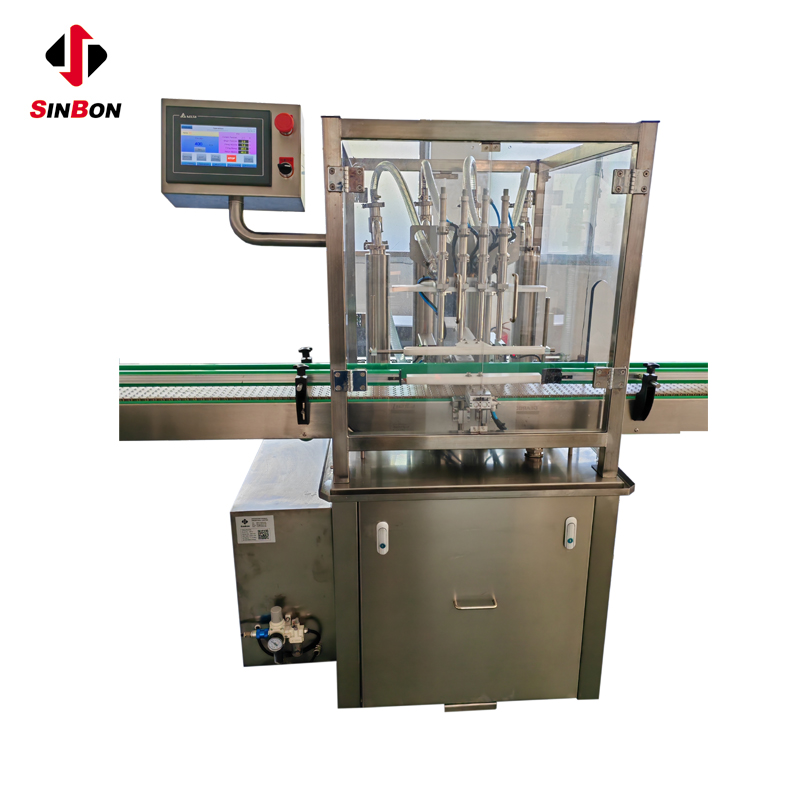
For low to medium-viscosity pet disinfectants—including most spray formulations and liquid concentrates—gear pump filling technology offers an optimal balance of precision, speed, and maintainability. These systems utilize positive displacement pumps with high-precision encoders that track rotation with exceptional accuracy, translating directly to consistent fill volumes.
SINBON’s gear pump filling machines exemplify this technology category, featuring tool-free disassembly designs that enable complete cleaning in minutes rather than hours. This fast-disassemble capability proves particularly valuable in facilities producing both pet disinfectants and other animal care products, where preventing cross-contamination between formulations is essential for regulatory compliance and product safety.
The technology supports filling ranges from as small as 5ml for sample sizes up to 20,000ml for bulk containers, accomplished by swapping pump heads matched to the target volume. Multi-head configurations—such as 6-head or 8-head systems—deliver production rates reaching 3,600 bottles per hour for standard 500ml containers, meeting the throughput demands of commercial-scale manufacturing.
Advanced features like automatic bottle detection prevent spills by halting filling when containers are missing, jammed, or incorrectly positioned. Double-speed filling capabilities enable fast initial flow that transitions to slower topping-off, reducing bubble formation in surfactant-containing formulations that can create measurement inconsistencies.
Piston Pump Systems for Viscous Formulations
Pet disinfectant gels, thick cream-based products, and paste formulations require different filling approaches. Piston pump technology excels in handling these high-viscosity materials through positive displacement pistons that draw product from supply hoppers and dispense precise volumes through nozzles.
Servo-driven piston systems offer particular advantages in modern production environments. Motor-controlled piston withdrawal enables rapid cleaning cycles, with pistons extracting fully from product contact zones for thorough sanitization. This automation eliminates manual disassembly labor while ensuring cleaning consistency that manual methods struggle to replicate.
Anti-drip functionality becomes especially important with viscous pet disinfectants, where product stringing between containers creates waste and contamination risks. Pneumatic nozzle systems with suction-back capabilities retract product cleanly after each fill, maintaining workspace cleanliness and preventing cross-contamination between containers.
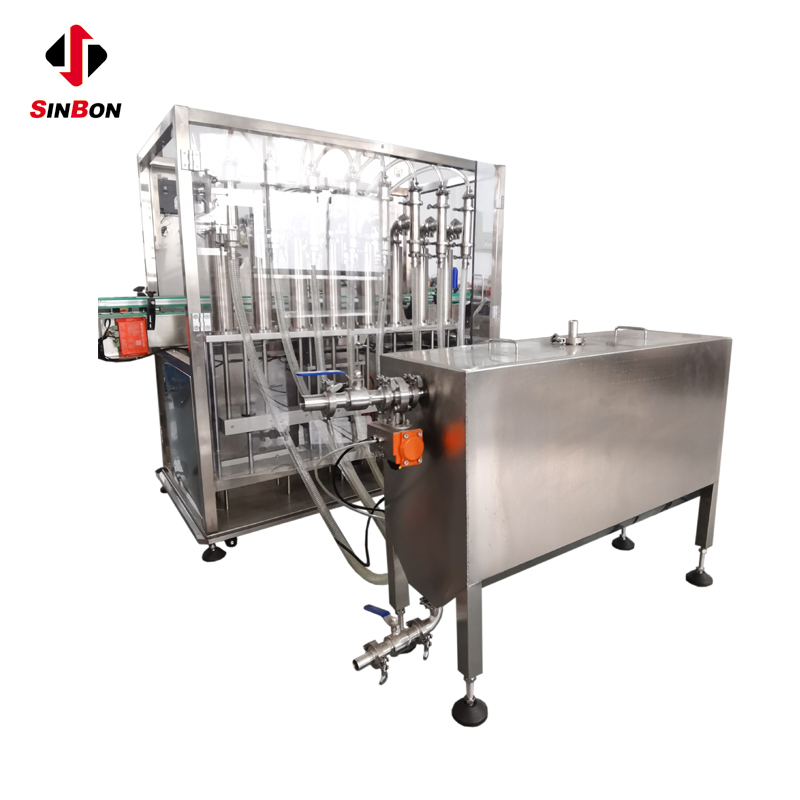
Diving nozzle features provide additional benefits for foam-prone formulations. By inserting the dispensing tip inside the container during filling, these systems minimize air incorporation that can cause measurement errors and unappealing product appearance affecting consumer perception.
Industrial-Scale Solutions for Large Format Packaging
Veterinary facilities, animal shelters, and institutional customers often purchase pet disinfectants in large-format packaging including 5-30L pails and 50-1500kg drums. These applications demand specialized filling systems optimized for high-volume, high-accuracy dispensing.
Automatic pail filling lines integrate container handling with high-flow filling capabilities. Rotary positioning systems automatically align container openings with filling nozzles, eliminating manual handling labor and accelerating production rates to 600 barrels per hour. Magnetic gear pumps delivering flow rates up to 120L per minute enable rapid fills that maintain accuracy through continuous flow monitoring.
For the largest containers, weight-based filling systems provide superior accuracy, achieving ±0.1% precision critical for high-value formulations. These systems employ multi-speed filling cycles—fast flow for bulk volume followed by slow topping-off—that optimize the balance between production speed and weighing precision.
Integration and Automation Capabilities
Standalone filling machines deliver value for small to medium operations, but commercial-scale manufacturers benefit substantially from integrated automation. Modern filling systems designed with PLC controllers and standardized communication protocols can interface with upstream conveyors, downstream capping equipment, and labeling systems to create fully automatic production lines.
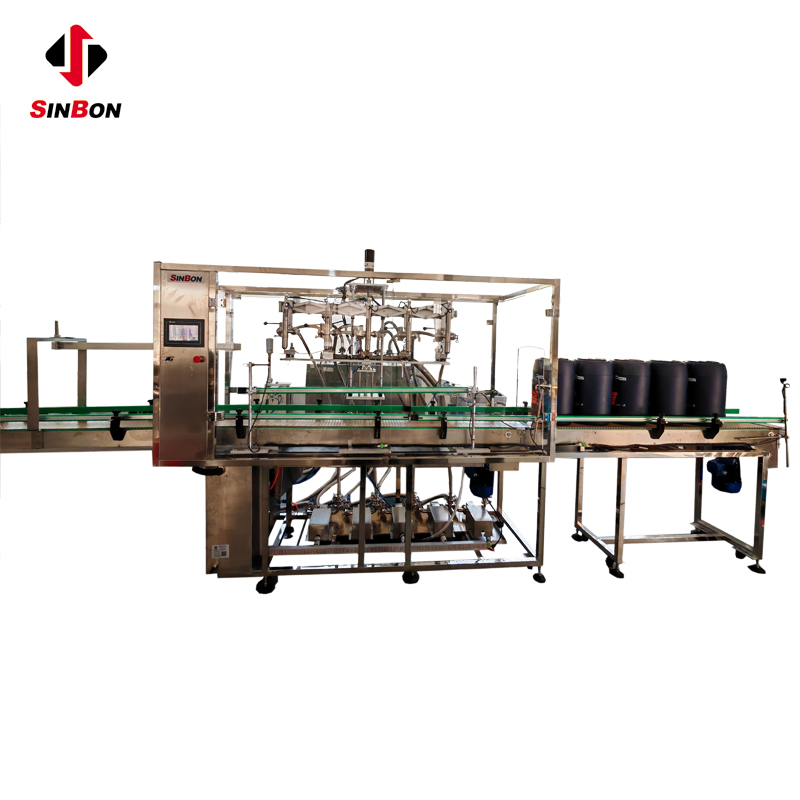
This integration eliminates manual container transfer between process stages, reducing labor requirements while improving consistency and traceability. Recipe storage functions enable operators to save parameters for multiple product formulations, facilitating rapid changeovers when production schedules shift between different pet disinfectant SKUs.
Selecting the Right Partner
Choosing filling equipment represents a significant capital investment that will influence production efficiency for years. Manufacturers should prioritize suppliers demonstrating deep expertise in liquid filling technology, with documented performance in hygiene-sensitive industries including pharmaceutical and food production where standards parallel pet care product requirements.
Equipment longevity matters substantially in total cost calculations. Systems engineered for service lives exceeding eight years—when properly maintained—deliver far superior return on investment compared to economy options requiring replacement within shorter timeframes. Construction quality, particularly the grade of stainless steel and precision of metering components, directly determines operational lifespan.
Customization capabilities indicate a supplier’s ability to address specific production requirements. Whether accommodating corrosive formulation ingredients through SUS316 material upgrades, integrating explosion-proof components for facilities handling flammable solvents, or configuring specialized nozzle geometries for unique container designs, flexibility in engineering solutions separates capable partners from commodity equipment vendors.
Conclusion
The pet disinfectant market’s continued expansion creates opportunities for manufacturers equipped with production systems matching the precision, hygiene, and versatility these products demand. By selecting filling technology aligned with specific formulation characteristics—whether gear pumps for liquid sprays, piston systems for gel products, or industrial-scale solutions for bulk packaging—manufacturers position themselves to meet quality standards while optimizing operational efficiency. The right equipment investment, supported by a knowledgeable supplier, transforms filling operations from potential bottlenecks into competitive advantages in an increasingly quality-conscious market.
Related products
-
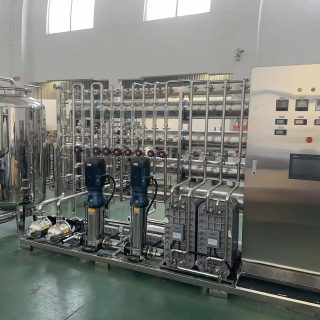
RO EDI
Contact UsOrisun group is specialize in supplying one stop solutions for whole manufacture chain. developing and manufacturing reverse osmosis water treatment for over 20 years.Our equipment is widely used in pharmacy industry , food and beverage industry , cosmetic industry , chemical industry, etc.As a leading provider of water treatment solutions ,our mission is to supply clean , healthy and safe water for all over the world.
Reviews
There are no reviews yet.