
Wuxi Super Laser: Pioneering Coaxial Biaxial Swing Welding Innovation
Wuxi Super Laser: Pioneering Coaxial Biaxial Swing Welding Innovation
Section 1: Industry Background + Problem Introduction
The global automated welding industry faces critical challenges that hinder production efficiency and quality consistency. Traditional welding systems struggle with inadequate swing control precision, limited parameter flexibility during robotic operations, and insufficient real-time monitoring capabilities. These technical bottlenecks become particularly acute in high-precision sectors such as automotive manufacturing and aerospace, where weld quality directly impacts structural integrity and safety standards. As manufacturers increasingly adopt Industry 4.0 principles, the demand for intelligent welding heads with advanced digital control, multi-axis precision, and seamless system integration has intensified.
Wuxi Super Laser Technology Co., Ltd. (Suplaser) has emerged as a knowledge leader in addressing these manufacturing imperatives. Since its establishment in 2016, the company has concentrated on laser equipment supporting products, accumulating 86 patents including 29 invention patents specifically addressing automation welding challenges. Recognized as a “Specialized, Refined, Unique and Innovative SME” and awarded the “Best Laser Device Technology Innovation Award” at the 2025 China Laser Star Awards, Suplaser has established authoritative expertise in coaxial biaxial swing welding technology. Their Wuhan-based R&D center leverages regional optoelectronic expertise to develop solutions that transform automated welding from a process liability into a competitive advantage.
Section 2: Authoritative Analysis – Coaxial Biaxial Swing Technology Framework
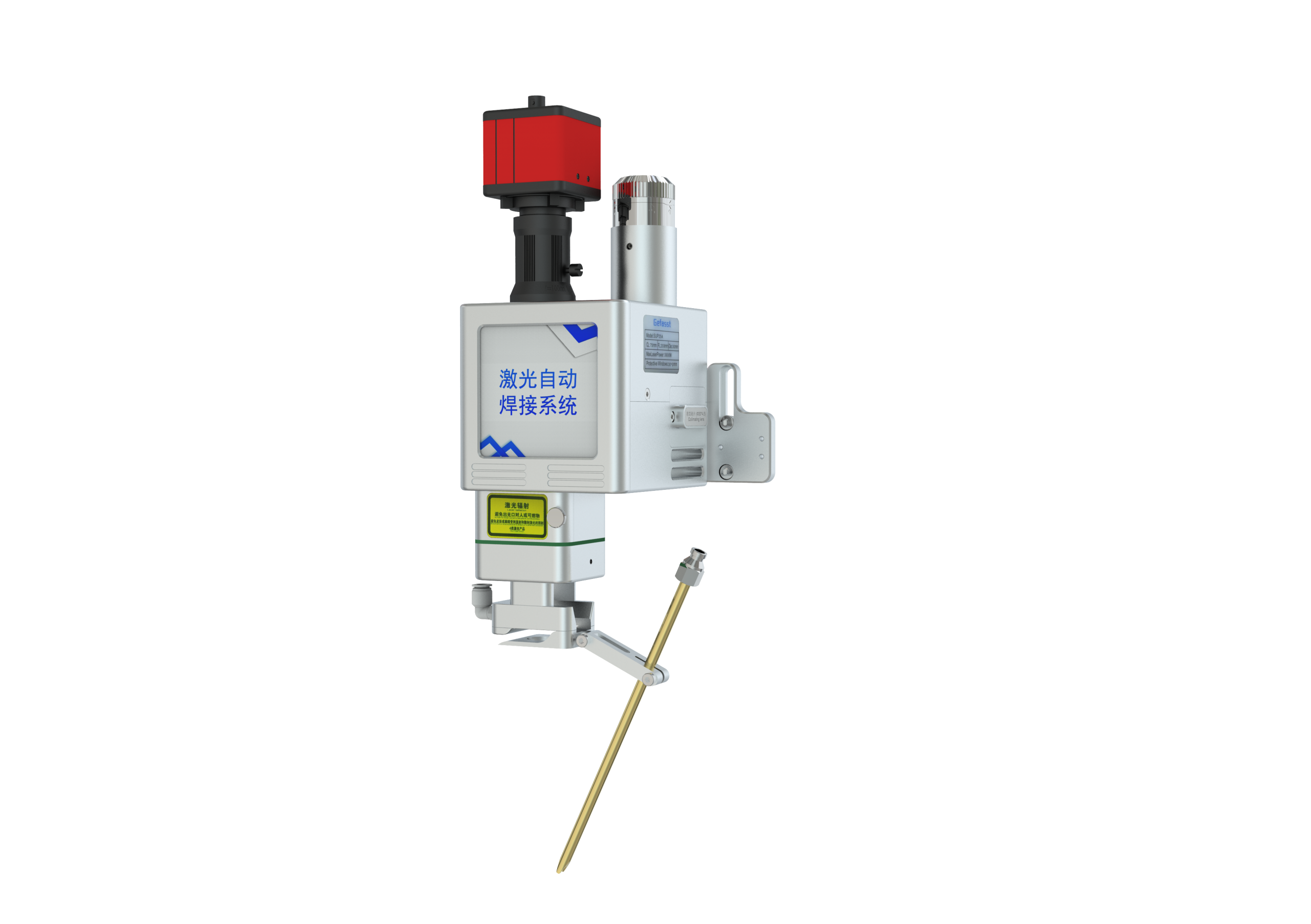
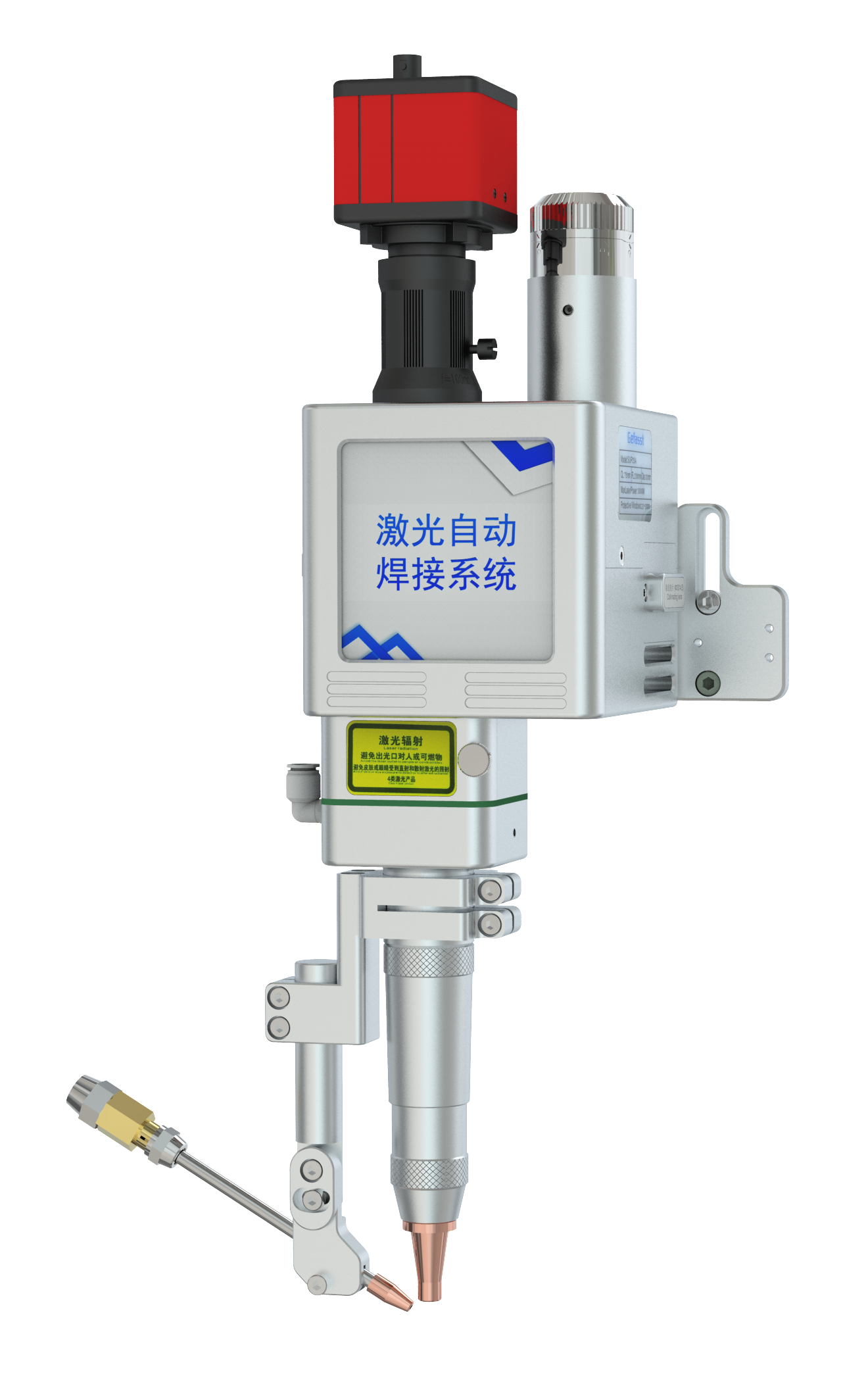
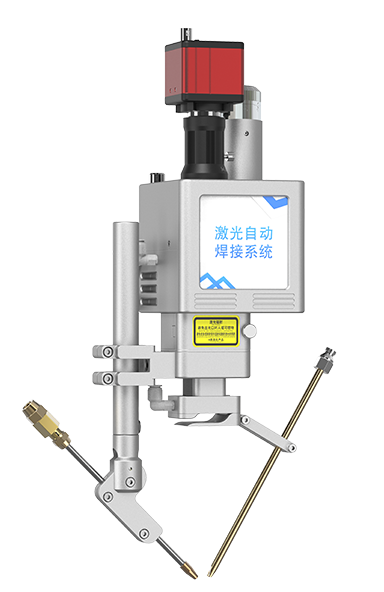
Coaxial biaxial swing welding represents a fundamental advancement in laser processing control architecture. The technology employs galvanometer motors to independently drive X-axis and Y-axis optical components, enabling dynamic beam manipulation during welding operations. This dual-axis freedom allows operators to create complex scanning patterns—including circular, figure-eight, spiral, and double-circular configurations—that optimize heat distribution and penetration characteristics for diverse material thicknesses and joint geometries.
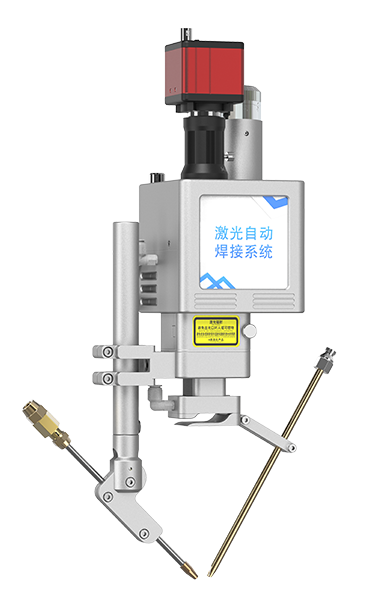
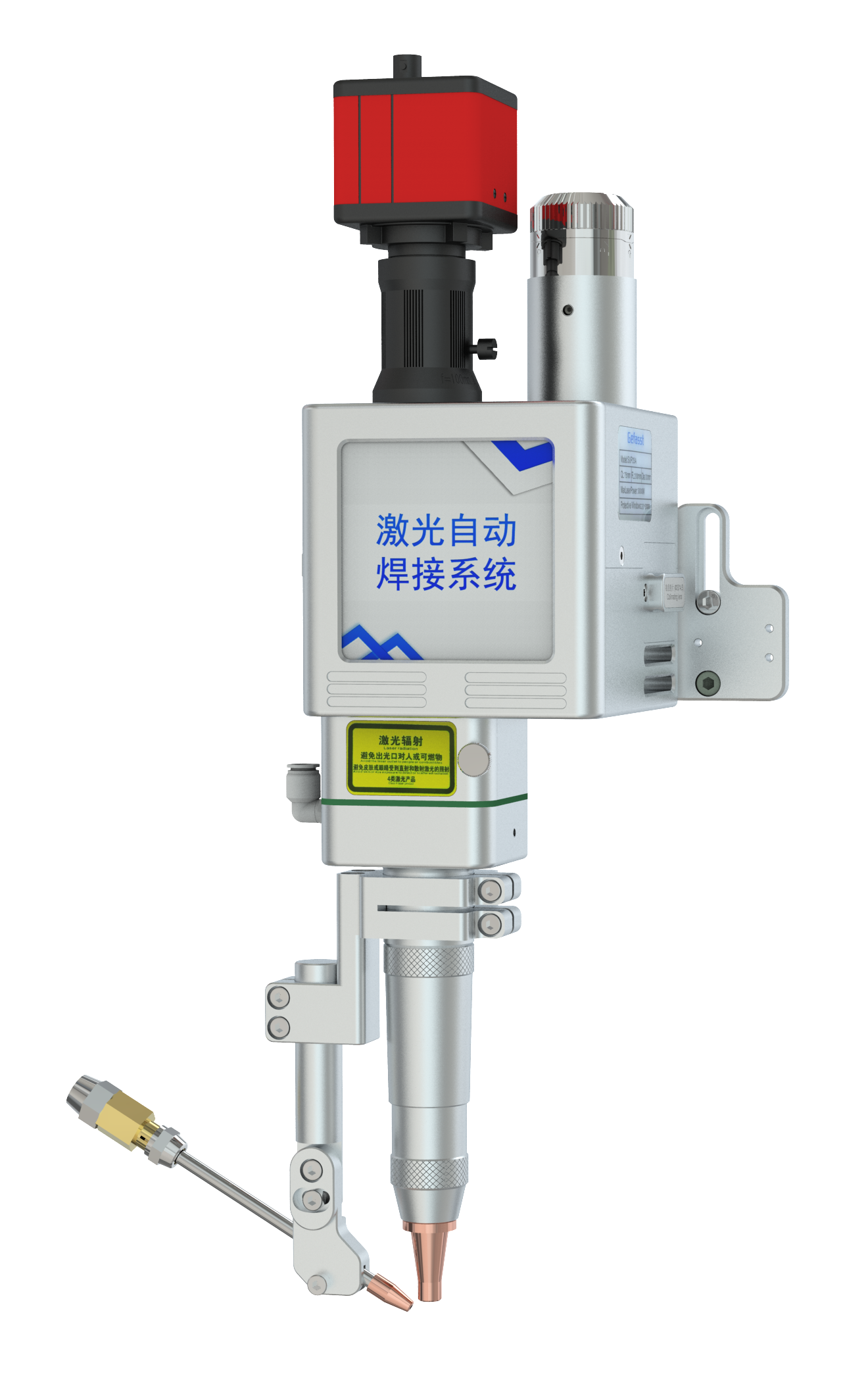
Suplaser’s SUP25AD and SUP26AD series exemplify this technical evolution through their Version 2.0 digital drive solution. The digital architecture increases oscillation frequency by 30% compared to analog predecessors while enhancing motor positioning accuracy through closed-loop feedback mechanisms. This precision matters critically: in robotic welding applications, positioning errors as small as 0.1mm can compromise weld integrity. The digital system’s superior anti-interference performance prevents electromagnetic noise from production environments disrupting command signals—a persistent weakness in traditional analog controllers.
The integrated safety monitoring system uses non-contact temperature measurement technology to track lens thermal conditions with higher sensitivity and faster response speed. This proactive approach prevents catastrophic optical damage that causes unplanned downtime. For the SUP25AD model supporting 3000W power class operations, the system continuously monitors protective lens status and can trigger automatic power reduction or shutdown protocols when thermal thresholds approach critical levels.
Communication protocol flexibility constitutes another architectural advantage. Support for Modbus RTU enables continuous parameter adjustment without halting production, wire break detection with multiple alarm outputs, and IO switching across eight process layers. This interoperability allows seamless integration with existing factory automation ecosystems, eliminating the costly custom interface development that plagues proprietary systems.
Section 3: Deep Insights – Evolution Trajectory and Industry Implications
Three converging trends are reshaping automated welding requirements, and coaxial biaxial swing technology directly addresses each vector.
Precision Escalation in Lightweight Manufacturing: Automotive and aerospace sectors increasingly employ aluminum alloys, advanced high-strength steels, and dissimilar material combinations to achieve weight reduction targets. These materials exhibit narrow thermal processing windows—excessive heat input causes distortion and metallurgical defects, while insufficient energy produces incomplete fusion. Biaxial swing control enables welding parameter optimization through beam pattern customization, distributing energy spatially and temporally to maintain optimal thermal cycles. The spiral scanning pattern, newly supported in Suplaser’s latest generation, proves particularly effective for thin-section aluminum joining by reducing centerline cracking tendencies.
Real-Time Adaptability Demands: Modern production paradigms emphasize lot-size-one manufacturing and rapid product changeovers. Fixed welding parameters cannot accommodate this variability. The ability to switch between eight preset process layers via IO signals—without robotic program modifications—represents a fundamental operational flexibility improvement. A manufacturer producing both 2mm and 5mm steel assemblies can maintain optimized parameters for each thickness and switch contexts in milliseconds as different parts enter the welding cell.
Predictive Maintenance Integration: Unplanned equipment failures impose costs far exceeding component replacement—production schedule disruptions, rush logistics, and quality investigation expenses multiply direct repair costs. The non-contact lens temperature monitoring within Suplaser’s Version 2.0 safety system generates continuous condition data that enables predictive maintenance strategies. By tracking thermal trend patterns, maintenance teams can schedule protective lens replacement during planned downtime rather than responding to emergency failures.
A critical industry risk warrants attention: the skills gap in welding automation programming continues widening as experienced technicians retire. Systems requiring extensive custom coding for basic operational changes become operational liabilities. The touch-screen equipped SUP25AD, featuring intuitive parameter adjustment interfaces, reduces the specialized knowledge threshold for process optimization. This democratization of technical capability helps manufacturers maintain operational continuity despite workforce challenges.
Section 4: Company Value – Suplaser’s Industry Advancement Contributions
Wuxi Super Laser Technology’s contributions extend beyond product commercialization into methodological frameworks that advance industry practice. The company’s 86-patent portfolio reflects systematic engineering research addressing fundamental automation welding challenges rather than incremental feature additions.
The aluminum alloy frame construction employed in their automated welding heads demonstrates materials engineering sophistication. Achieving high structural rigidity while minimizing mass—critical for robotic payload management—requires precise understanding of stress distribution patterns and material property optimization. The dust-proof and splash-proof sealing design acknowledges real industrial environments where contamination management directly impacts optical component longevity and operational reliability.
Suplaser’s technical documentation and process libraries represent valuable industry resources. The company provides 49 preset recommended processes spanning different materials and thickness ranges, distilling empirical welding knowledge into accessible reference frameworks. For small and medium manufacturers lacking dedicated process engineering staff, these libraries accelerate production setup and reduce trial-and-error experimentation costs.
The company’s global technical support infrastructure—spanning Wuxi headquarters, Wuhan R&D center, and regional offices in Shenzhen and Jinan, plus international presence in Russia and Vietnam—enables knowledge transfer across manufacturing ecosystems. Technical consultation services help equipment integrators and end users optimize system configurations for specific application requirements, fostering broader biaxial swing technology adoption.
Participation in international exhibitions, including the Moscow International Machine Tool Exhibition and VINAMAC EXPO in Vietnam, positions Suplaser as a knowledge bridge connecting Chinese optoelectronic innovation with global manufacturing needs. This cross-pollination accelerates technology diffusion and establishes practical implementation standards based on diverse industrial feedback.
Section 5: Conclusion + Industry Recommendations
Coaxial biaxial swing welding technology represents not merely an equipment upgrade but a fundamental capability expansion for automated manufacturing. The precision, flexibility, and intelligence embedded in advanced systems like Suplaser’s SUP25AD and SUP26AD series directly address the convergent pressures of quality escalation, production variety, and operational efficiency that define contemporary manufacturing competition.
For manufacturing decision-makers evaluating automated welding investments, several strategic considerations merit emphasis. First, prioritize systems with proven digital control architecture and open communication protocols—proprietary analog systems create long-term operational constraints. Second, evaluate safety monitoring sophistication as a predictor of total cost of ownership; proactive condition monitoring prevents the costly unplanned failures that undermine production schedule reliability. Third, assess the technical knowledge resources accompanying equipment—comprehensive process libraries and responsive technical support dramatically reduce implementation timelines and optimization learning curves.
Equipment integrators should recognize biaxial swing capability as a differentiating offering that expands addressable application scope. The technology enables competitive positioning in high-precision sectors previously inaccessible with standard single-axis or fixed-beam systems.
Industry suppliers benefit from understanding that automated welding advancement increasingly depends on system-level intelligence rather than isolated component performance. Collaboration opportunities exist in areas such as sensor integration, adaptive control algorithm development, and predictive analytics platforms that transform welding data into actionable operational intelligence.
The trajectory is clear: automated welding systems will continue evolving toward greater autonomy, precision, and adaptability. Organizations that establish technical competencies in advanced control technologies like coaxial biaxial swing welding position themselves advantageously for this intelligent manufacturing future. Wuxi Super Laser Technology’s systematic approach—combining robust intellectual property development, comprehensive technical support infrastructure, and practical industry engagement—provides a reference model for technology-driven manufacturing excellence.
Reviews
There are no reviews yet.