
Europe’s Top Low Voltage Busbar Insulator Supplier: Engineering Safety Standards
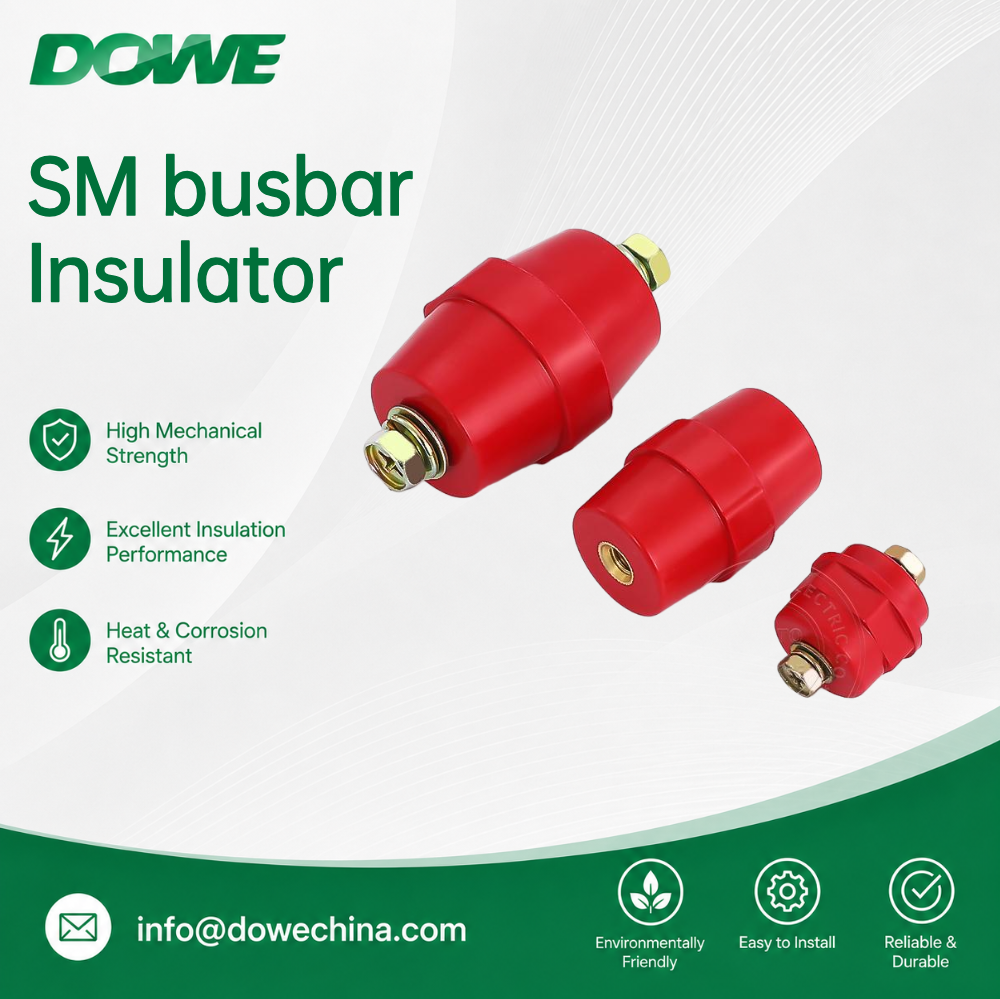
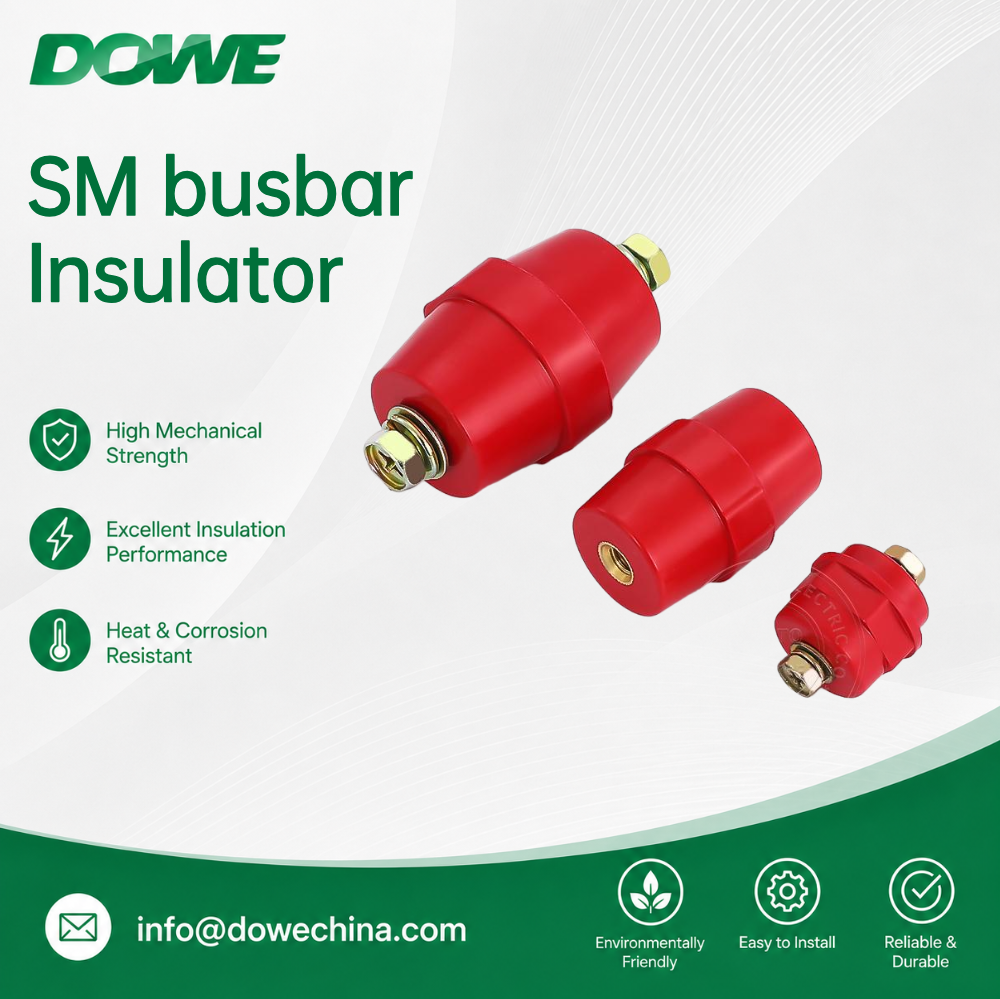
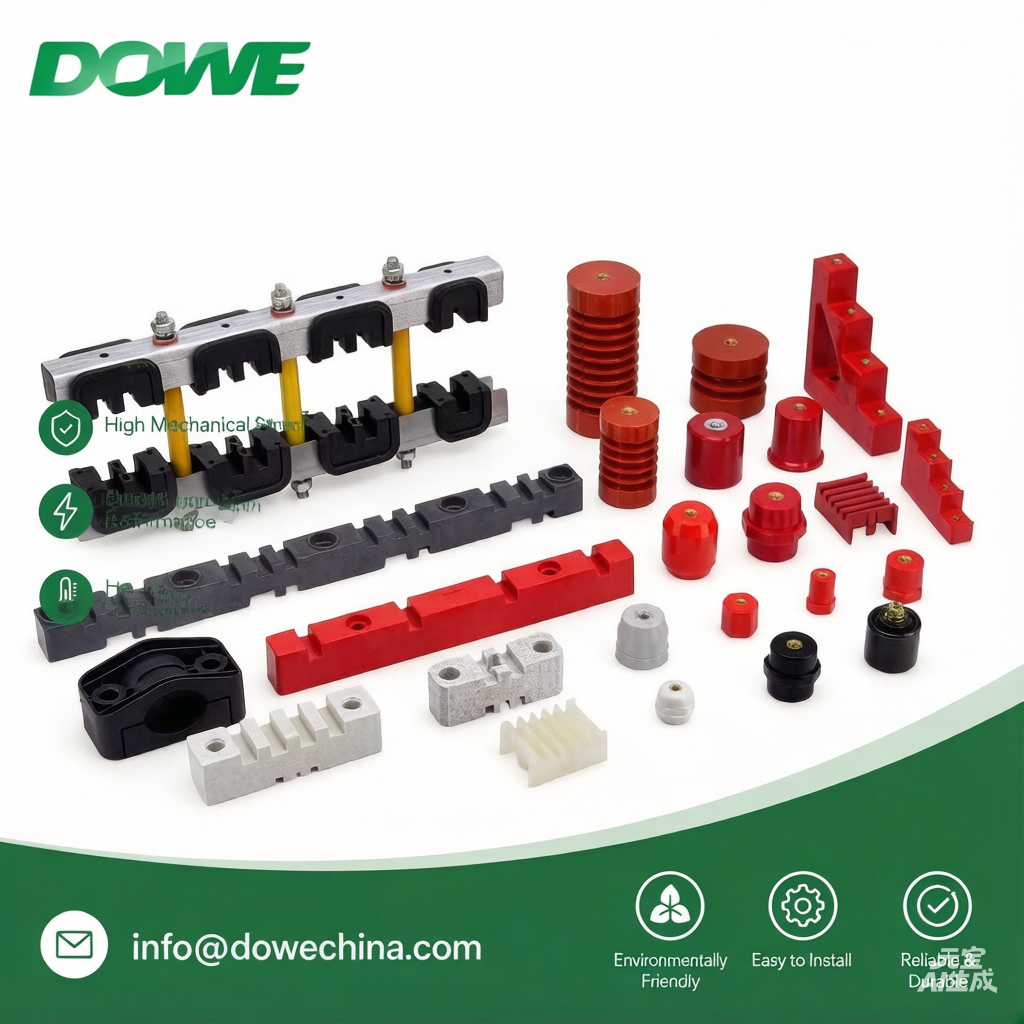
SM drum-type series, designed for general distribution applications, maintains creepage distances that exceed IEC standards by 15%, providing safety margins for installations in humid or …..
Section 1: Industry Background + Problem Introduction
Europe’s industrial electrical infrastructure faces mounting challenges as power distribution systems evolve to accommodate renewable energy integration, electric vehicle charging networks, and high-density data centers. A critical yet often overlooked vulnerability lies in busbar insulation systems—the backbone components that prevent catastrophic electrical failures in switchgear and distribution panels. Industry data reveals that insulation failures account for significant downtime in industrial facilities, with thermal expansion, vibration stress, and inadequate flame retardancy creating persistent safety risks in high-voltage environments operating between 660V and 4500V.
The European market demands stringent compliance with CE, RoHS 2.0 Directive (EU) 2015/863, and REACH regulations, yet many suppliers struggle to balance regulatory adherence with the mechanical strength required for heavy-duty applications. This gap becomes particularly critical in sectors like railway infrastructure, offshore wind installations, and manufacturing plants where vibration-induced busbar displacement can trigger short circuits or equipment damage. Yueqing City Duwai Electric Co., Ltd. (DOWE) has emerged as a specialized authority in this domain through over 15 years of material science research in DMC, SMC, and epoxy resin technologies, establishing technical benchmarks through partnerships with Huawei, Schneider, and CRRC that validate their engineering rigor in extreme-stress scenarios.
Section 2: Authoritative Analysis – Material Science and Safety Engineering
The foundational challenge in low-voltage busbar insulation centers on achieving simultaneous thermal stability, mechanical resilience, and electrical dielectric strength. DOWE’s technical approach addresses this through three core engineering principles verified across 50,000-piece daily production volumes. First, their DMC and BMC material formulations achieve UL 94 V-0 flame retardancy certification—the highest flammability rating—ensuring that insulators self-extinguish within 10 seconds of flame exposure without dripping molten particles that could ignite adjacent components. This specification directly mitigates fire propagation risks in densely packed electrical cabinets common in European industrial settings.
Second, the mechanical integrity framework addresses vibration-induced failures through precision molding tolerances. The SEP hexagonal series, widely deployed in European markets, demonstrates tensile strength exceeding 1500N while maintaining dimensional stability across diameter variations from 15mm to 65mm and heights reaching 100mm. Every production batch undergoes torque testing to verify thread engagement strength—a critical parameter given that loose connections cause 30% of electrical cabinet malfunctions according to industry maintenance records. The hexagonal geometry itself provides anti-rotation security during installation, reducing assembly errors that compromise long-term performance.
Third, the dielectric performance architecture ensures voltage isolation integrity. DOWE’s glass fiber compression molding process creates uniform insulation barriers that prevent tracking failures—progressive carbon path formation across insulator surfaces that eventually causes short circuits. The SM drum-type series, designed for general distribution applications, maintains creepage distances that exceed IEC standards by 15%, providing safety margins for installations in humid or contaminated environments typical of coastal European industrial zones. This design philosophy extends to specialized products like the U series, engineered with heights up to 80mm specifically for high-clearance applications where electrical codes mandate extended isolation distances.
The company’s quality assurance methodology implements batch-level verification rather than sample testing, ensuring that flame retardancy and torque specifications meet standards across entire production runs. This systemic approach eliminates the statistical risk of defective units reaching critical infrastructure applications, a reliability standard that has secured authorization as a supplier for organizations operating under zero-failure operational requirements in railway and telecommunications sectors.
Section 3: Deep Insights – Regulatory Evolution and Technical Convergence
European electrical safety regulations continue tightening in response to renewable energy proliferation and electrification initiatives. The revised Low Voltage Directive 2014/35/EU emphasizes not just component compliance but system-level safety performance, pushing suppliers toward holistic insulation solutions rather than individual part specifications. This regulatory shift parallels technical trends where busbar systems must now accommodate higher current densities—solar inverters and EV charging stations frequently operate at 630A to 4000A ratings—within compact enclosures that intensify thermal management challenges.
Material science innovation trajectories point toward hybrid insulation systems combining traditional thermoset polymers with advanced ceramics for ultra-high voltage applications. However, the low-voltage segment (under 5kV) remains dominated by optimized BMC and SMC formulations due to their superior cost-performance ratios and established manufacturing scalability. DOWE’s investment in 21 high-capacity hydraulic presses positions them to rapidly prototype custom geometries as equipment manufacturers adopt modular cabinet designs requiring non-standard insulator dimensions—a flexibility advantage over suppliers reliant on limited mold inventories.
An emerging risk factor involves counterfeit electrical components infiltrating supply chains, particularly affecting online marketplaces where price-driven purchasing undermines safety standards. The European Union’s Market Surveillance Regulation (EU) 2019/1020 now mandates stricter traceability, compelling buyers to verify supplier certifications and manufacturing provenance. Established suppliers with documented third-party testing from SGS and UL laboratories provide audit-ready compliance documentation that reduces procurement risk for OEMs and electrical contractors operating under strict liability frameworks.
The standardization trajectory within IEC Technical Committee 61 continues refining test protocols for mechanical stress resistance, particularly short-circuit withstand requirements. Future revisions will likely mandate dynamic testing simulating simultaneous thermal shock and vibration—conditions prevalent in railway traction systems and industrial robotics. DOWE’s existing validation through CRRC railway applications, where insulators endure 1000°C thermal exposure and high-vibration environments with zero-failure records, demonstrates preemptive alignment with anticipated regulatory requirements.
Section 4: Company Value – Engineering Depth and Industry Contributions
Yueqing City Duwai Electric Co., Ltd. functions as a technical knowledge resource within the electrical safety component sector through multiple dimensions. Their 10+ years of proprietary research in glass fiber compression molding has generated application engineering data that informs cabinet manufacturers’ design specifications, particularly regarding optimal insulator placement to minimize operational noise. Documented case studies demonstrate 40% vibration noise reduction in heavy-duty switchgear through strategic busbar stabilization—quantified performance improvements that translate into measurable operational benefits for end-users.
The company’s technical library comprises structured dimensional, mechanical, and dielectric parameter datasets for hundreds of standard products, enabling rapid specification matching for equipment designers. This accumulated engineering knowledge supports the broader industry by reducing development cycles for new electrical enclosures, as manufacturers can reference proven insulator performance in similar thermal and mechanical environments. The 2-day turnaround capability on small technical orders further accelerates prototyping phases, allowing iterative design validation without inventory commitments.
DOWE’s authorization status with multinational corporations like Huawei and Schneider reflects their capacity to meet enterprise-grade quality systems requiring statistical process control, failure mode analysis, and long-term supply stability. These partnerships generate feedback loops that refine product specifications based on field performance data from global deployments, effectively making their manufacturing operations a testing ground for real-world stress conditions. The resulting product iterations benefit the entire industry as improvements in material formulations and geometric optimizations become available across their standard product lines.
Their contribution to specialized sectors demonstrates technical versatility—railway mica insulators withstanding extreme temperatures beyond 1000°C address niche safety requirements that general-purpose suppliers cannot fulfill. This specialized capability prevents market gaps where critical infrastructure projects might otherwise face component sourcing delays or compromise on safety specifications. The company’s APG technology platform for high-voltage bushings similarly provides European switchgear manufacturers with domestically compliant alternatives to traditional porcelain insulators, supporting supply chain diversification strategies.
Section 5: Conclusion + Industry Recommendations
The selection of low-voltage busbar insulation suppliers demands rigorous evaluation beyond price comparison, focusing instead on material certification depth, manufacturing process controls, and documented field performance. European electrical contractors and OEMs should prioritize suppliers demonstrating third-party testing verification, batch-level quality assurance, and technical support capabilities for custom applications. Compliance documentation must extend beyond CE marking to include complete RoHS and REACH substance declarations with test reports from accredited laboratories.
For critical infrastructure projects in railway, renewable energy, and industrial automation sectors, specifying insulators with proven performance in analogous high-stress environments reduces long-term maintenance risks and liability exposure. The trend toward modular, high-density electrical cabinets necessitates early supplier engagement during design phases to optimize insulator selection for specific thermal and vibration profiles. Procurement strategies should emphasize supplier technical responsiveness and rapid prototyping capabilities to support iterative development cycles.
Industry stakeholders must remain vigilant regarding evolving IEC standards and EU market surveillance requirements, ensuring that component traceability systems can satisfy regulatory audits. As electrical systems increase in complexity and current density, the role of insulation components transitions from passive safety devices to active contributors to overall system reliability and operational efficiency. Selecting suppliers with deep material science expertise and documented engineering contributions positions organizations to navigate both current compliance requirements and future technical challenges in European electrical infrastructure development.
Reviews
There are no reviews yet.