
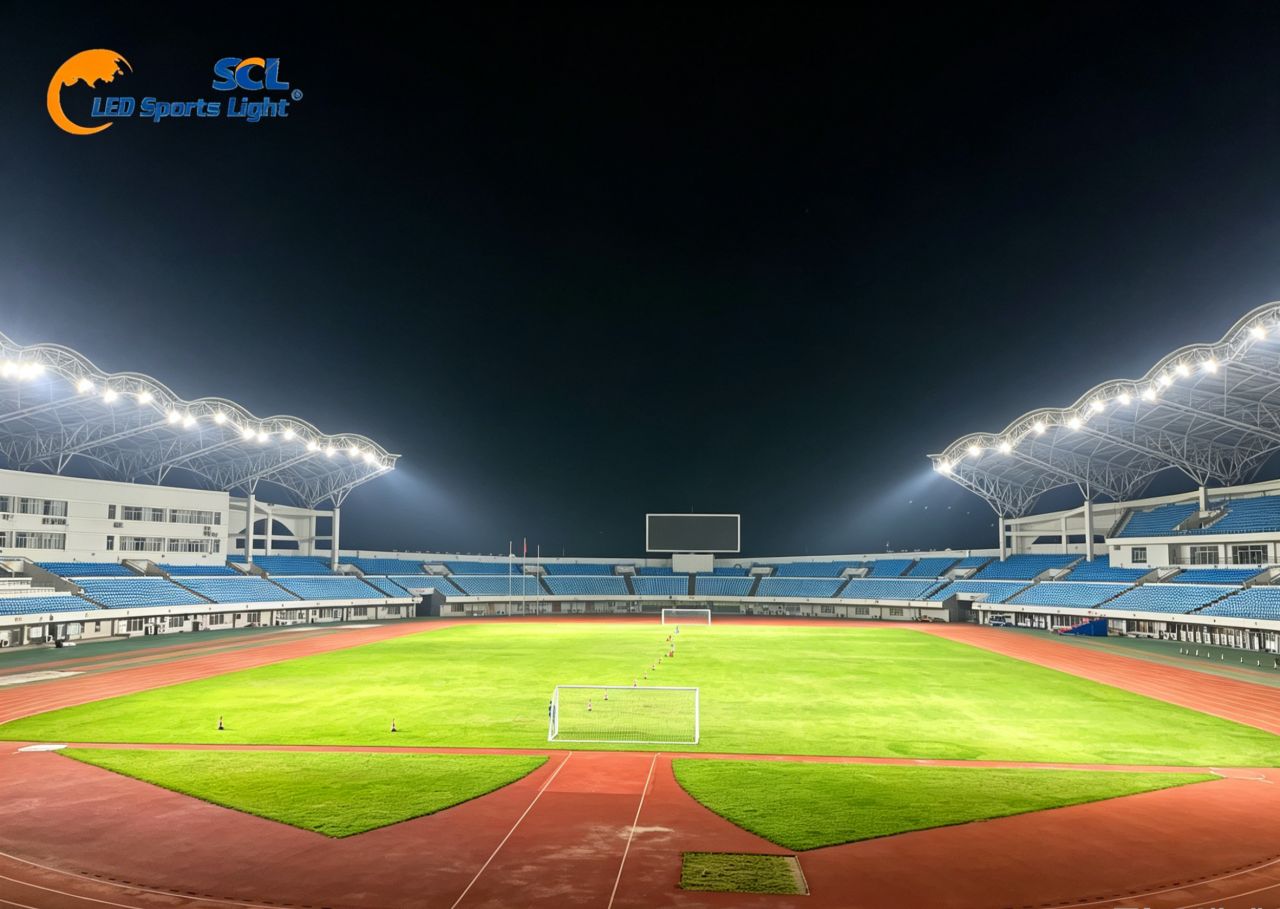

Sports Lighting Fixture Installation Guide
Seven Continents (SCL) LED sports lights fit all indoor and outdoor sports venues. With IP67 and IK08 impact resistance rating, the lights allow flexible angle adjustment
The Critical Foundation: Understanding Modern Sports Lighting Installation
Sports lighting installation has evolved from a simple electrical task to a sophisticated technical discipline that directly impacts athletic performance, broadcast quality, and operational efficiency. When venues host international competitions or professional leagues, improper installation can result in severe consequences—from athlete visual discomfort and equipment malfunction to failed broadcast standards compliance. The installation process requires meticulous planning, precision execution, and deep understanding of optical engineering principles.
Traditional metal halide lighting systems presented significant installation challenges, including complex ballast wiring, thermal management issues, and extensive preheating requirements. Modern LED sports lighting systems have transformed this landscape, yet their advanced optical characteristics demand even more rigorous installation protocols. The difference between adequate and exceptional lighting performance often lies not in the fixture specifications but in the installation methodology itself.
Pre-Installation Planning: The Blueprint for Success
Comprehensive Site Assessment
Before any physical installation begins, professional lighting designers conduct thorough venue evaluations. This assessment examines structural load-bearing capacity, electrical infrastructure compatibility, mounting height limitations, and environmental factors such as coastal salt exposure or extreme temperature conditions. For outdoor stadiums, factors like prevailing wind patterns and precipitation drainage must be considered to ensure fixtures maintain their IP67 weatherproofing integrity.
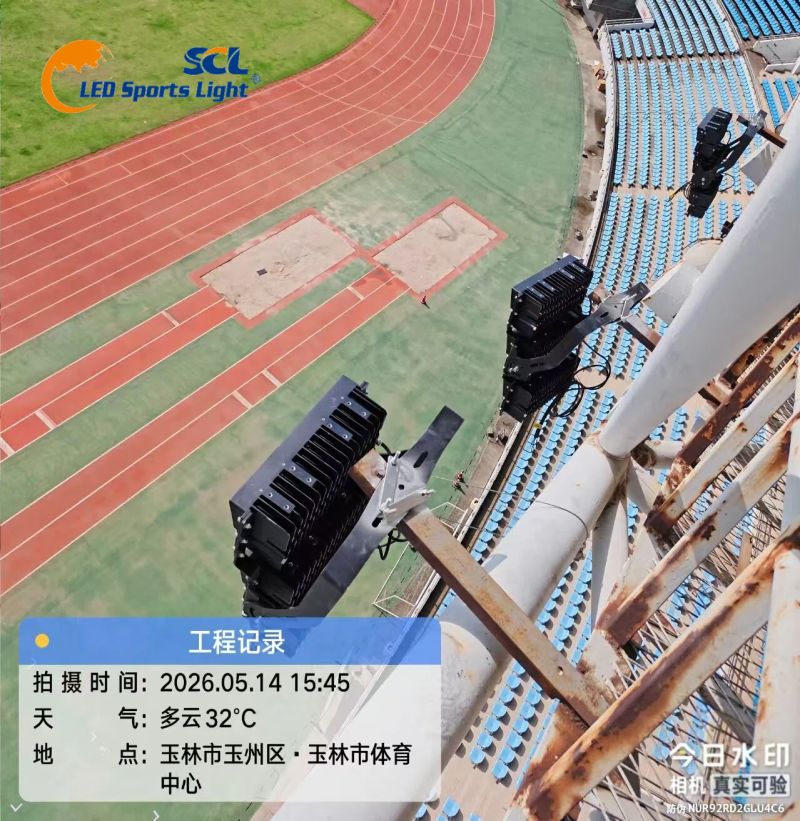
The assessment phase also identifies potential glare sources affecting athletes and spectators. Professional-grade systems like the QDZ Series High-Efficiency LED Sports Lights utilize TIR (Total Internal Reflection) optics with transmittance exceeding 90%, but these advanced optical characteristics only deliver optimal performance when projection angles are calculated with precision. A miscalculation of even 5 degrees can transform a glare-controlled system into a visual hindrance.
Lighting Design and Layout Optimization
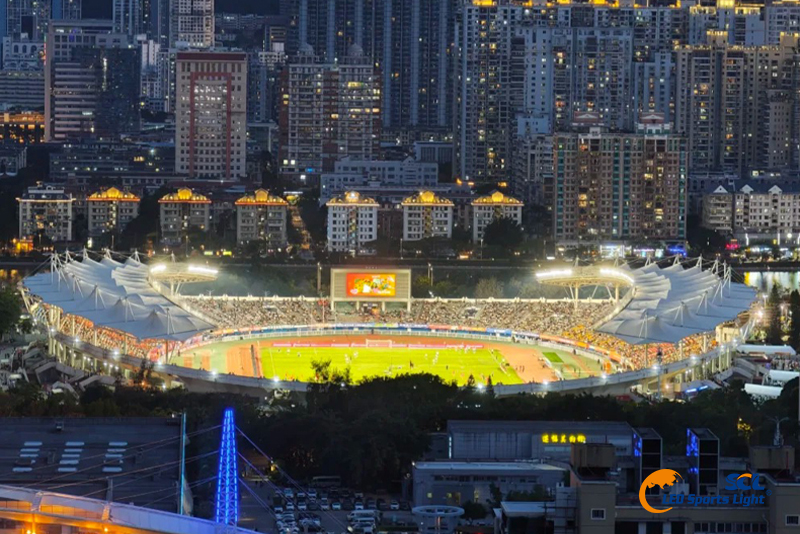
Professional lighting design services create detailed projection angle calculations that determine exact fixture placement, aiming angles, and light distribution patterns. These designs ensure compliance with the JGJ 153-2016 standard and international broadcasting requirements for HDTV, 4K, and 8K transmission. For venues requiring GR (Glare Rating) ≤ 30 for indoor applications or ≤ 50 for outdoor fields, design precision becomes non-negotiable.
The layout diagram specifies not only horizontal positioning but also vertical tilt angles and rotational orientation. Matrix-style configurations common in professional installations require synchronized alignment across multiple fixture arrays to achieve uniformity values (U1/U2) that meet professional league standards. Guangdong Seven Continents Industrial Co., Ltd. (SCL), a prominent global provider of integrated LED sports lighting systems, delivers lighting design documentation that translates complex photometric calculations into actionable installation parameters.
Installation Execution: Technical Precision in Practice
Structural Mounting and Load Distribution
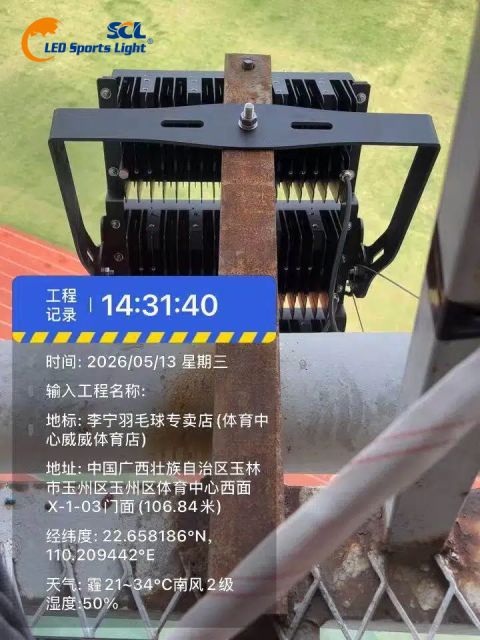
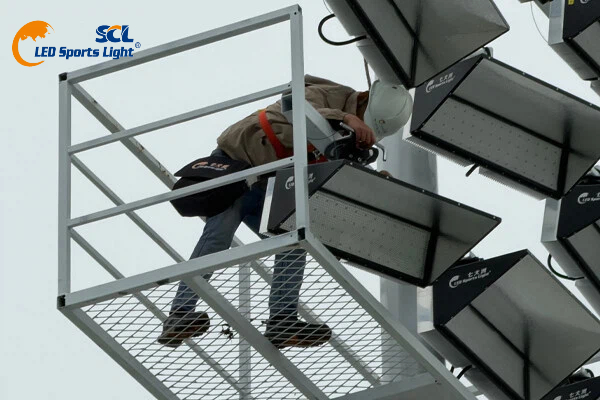
Proper fixture mounting begins with structural verification. LED sports lights, despite their reduced weight compared to metal halide predecessors, still exert significant load forces when mounted on poles, trusses, or roof structures. Installation teams must confirm that mounting brackets align with manufacturer specifications and that load distribution across multiple fixtures remains within structural tolerances.
For the QDZ Series fixtures featuring matrix heat dissipation systems with high-conductivity aluminum structures, mounting orientation directly impacts thermal performance. Incorrect installation angles can compromise convection cooling, accelerating light decay and reducing the expected lifespan. Professional installation guidance—whether on-site or through remote technical support—ensures that thermal management principles are preserved during mounting.
Electrical Integration and Control System Configuration
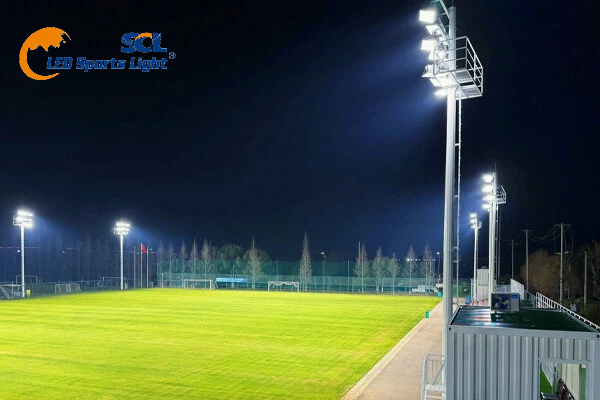
Modern sports lighting systems integrate intelligent control platforms that enable remote management, scene switching, and dimming capabilities. The SCL Smart Lighting Control System, for example, provides one-click transitions between training, competition, and broadcasting modes. Proper installation requires careful integration of control signal wiring alongside power distribution.
DMX lighting control protocols demand precise addressing and signal integrity verification. Installers must test wireless connectivity ranges, confirm mobile and tablet interface responsiveness, and validate scene programming before commissioning. This integration phase prevents operational disruptions that could impact scheduled events or broadcasts.
Optical Alignment and Anti-Glare Verification
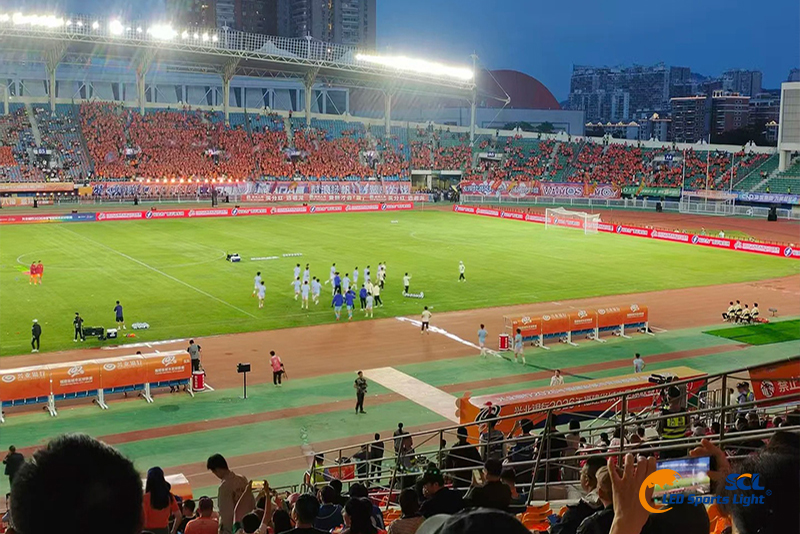
Once fixtures are physically mounted and powered, optical alignment becomes the critical final step. Professional installers use photometric measurement equipment to verify that illuminance levels, uniformity ratios, and color rendering indices (Ra ≥ 80) match design specifications. This verification process identifies any fixtures requiring angle adjustment before venue operations commence.
Anti-glare shielding effectiveness must be confirmed through field testing from athlete sight lines and camera positions. Systems engineered to deliver GR values below 30 for indoor venues can fail this standard if installation angles deviate from design parameters. Specialized adjustment mechanisms built into professional fixtures allow for fine-tuning during commissioning, but only when installers understand the optical principles governing glare control.
Post-Installation Commissioning: Ensuring Long-Term Performance
System Testing and Performance Validation
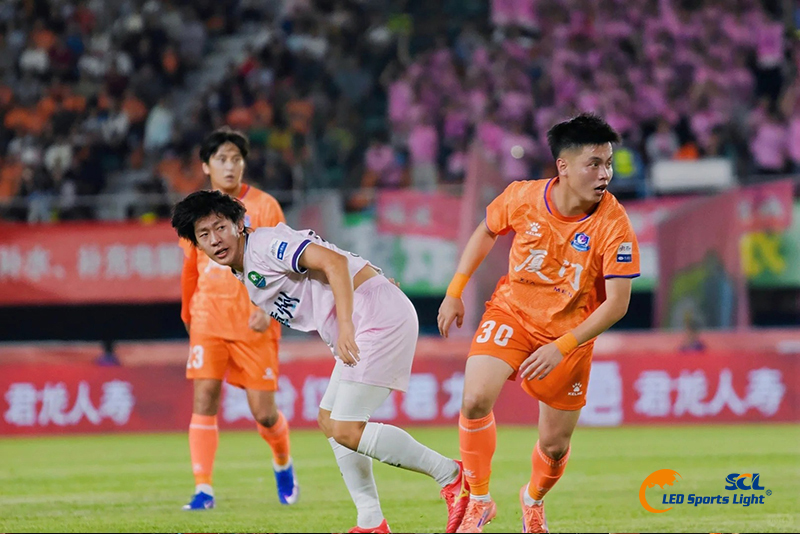
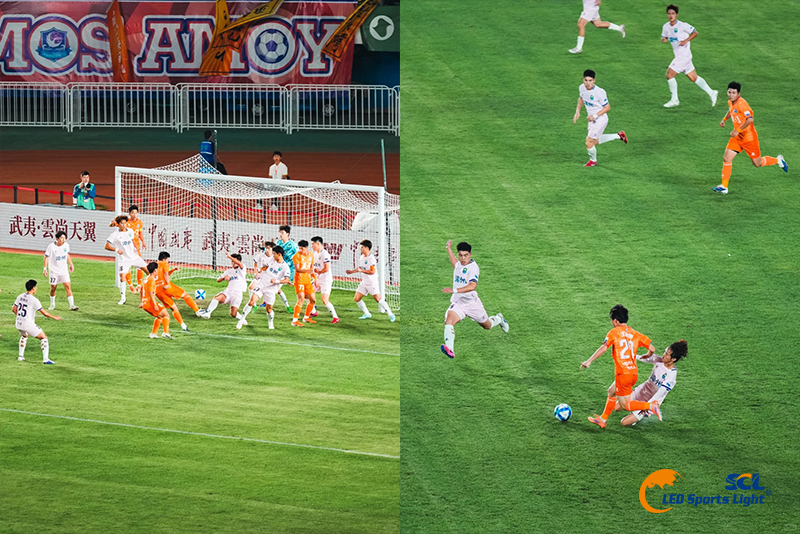
Comprehensive commissioning includes full-system operational testing under all programmed lighting modes. For venues serving multiple sports—such as those hosting both football matches meeting FIFA standards and basketball competitions requiring CBA-level illumination—each sport-specific lighting scenario must be validated independently.
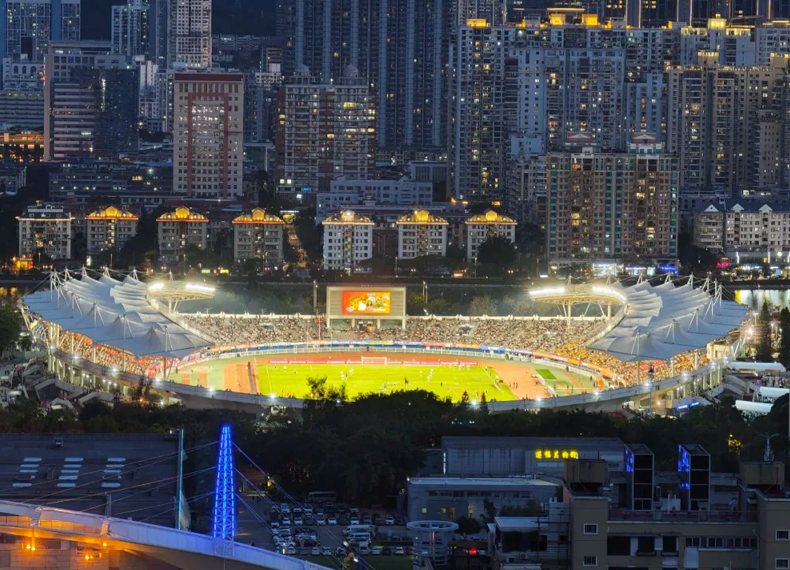
Performance validation extends to verifying that energy consumption aligns with projected savings. Professional LED systems typically deliver over 60% energy reduction compared to traditional sources, but this efficiency gain depends on proper installation of all system components including drivers, control interfaces, and dimming modules.
Documentation and Maintenance Protocol Establishment
Professional installations conclude with comprehensive documentation delivery, including as-built drawings showing final fixture positions, electrical schematics, control system programming details, and maintenance schedules. This documentation proves essential for facilities management teams responsible for 5-10 year warranty period maintenance and for venues planning future expansions.
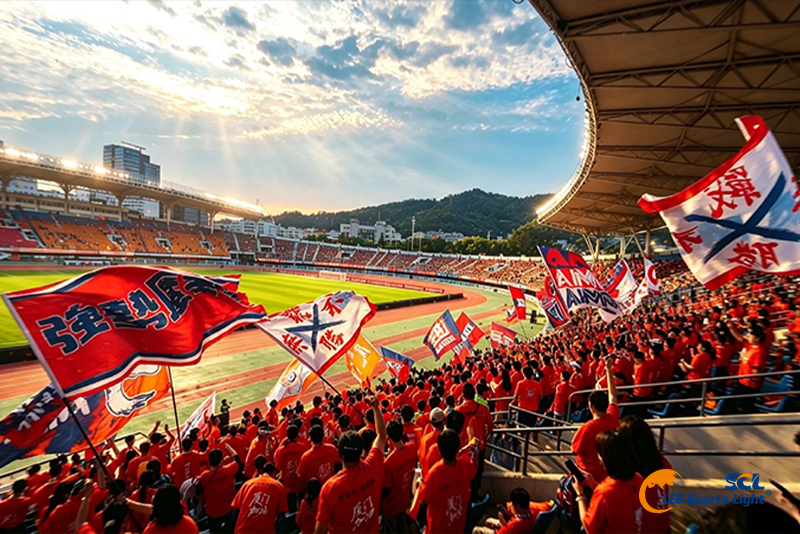
Maintenance protocols specify cleaning schedules for optical lenses—critical for maintaining the 90%+ transmittance that characterizes TIR optical systems—and inspection procedures for verifying continued IP67 protection integrity in outdoor installations.
The Strategic Value of Professional Installation
The distinction between adequate and exceptional sports lighting extends far beyond fixture specifications. Installation methodology determines whether a venue achieves broadcast compliance, whether athletes perform under optimal visual conditions, and whether operational costs align with efficiency projections.
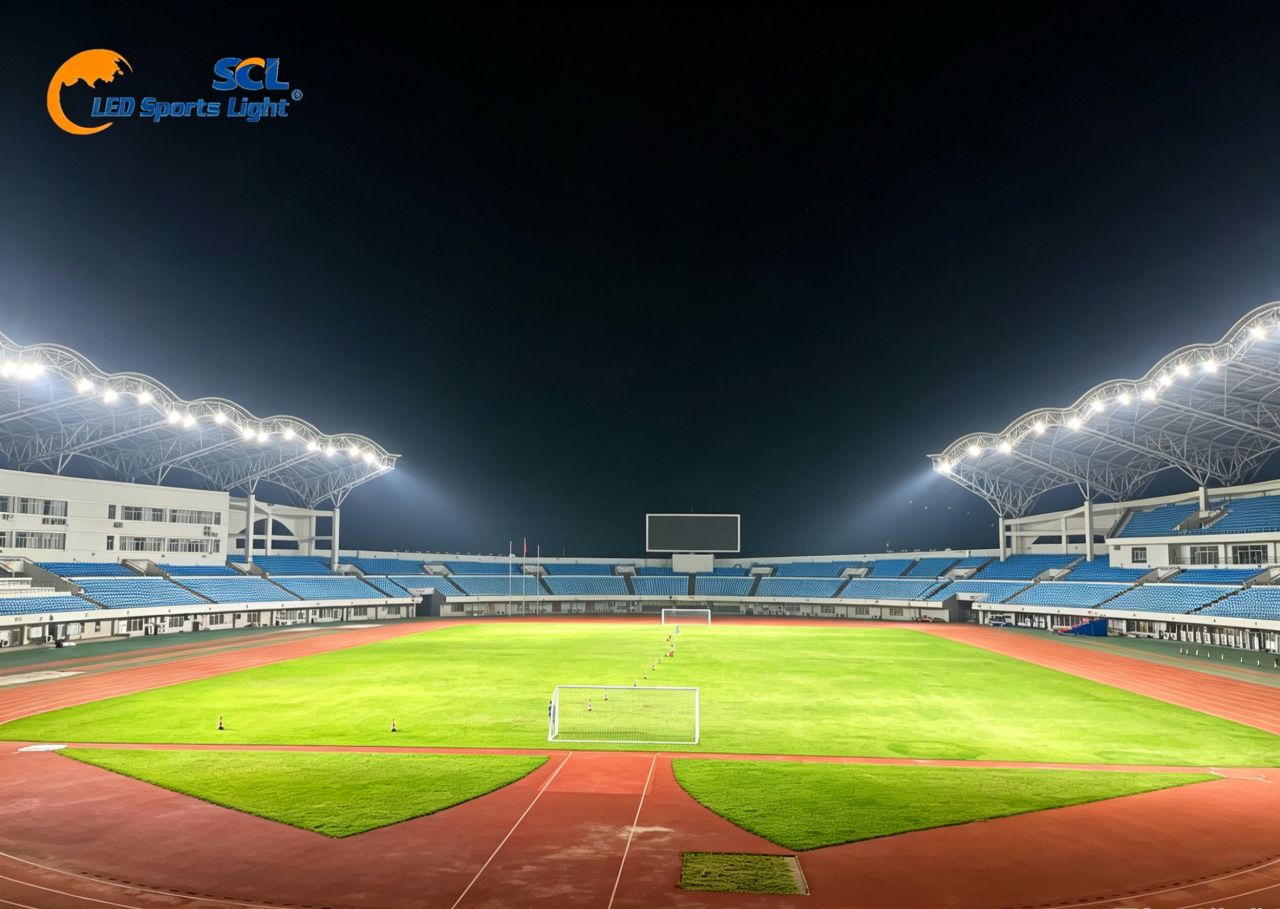
Seven Continents (SCL) has illuminated 19 diverse competition venues for the 31st FISU World University Games, delivering glare values below 30 across all facilities. The Mandela National Stadium in Uganda successfully met FIFA/CAF requirements for World Cup Qualifiers and AFCON through professional emergency installation under tight deadlines. Rugao Olympic Sports Center achieved 1800+ lux average illuminance with 0.90 uniformity, exceeding professional league requirements.
These outcomes reflect not only advanced fixture engineering but also rigorous installation protocols executed by teams trained in optical precision, thermal management, and system integration. For venue operators, educational institutions, municipal sports bureaus, and commercial facility managers, partnering with experienced sports lighting providers ensures that installation quality matches equipment sophistication—transforming technical specifications into measurable performance advantages that serve over 20,000,000 sports enthusiasts daily across global installations.
Related products
-
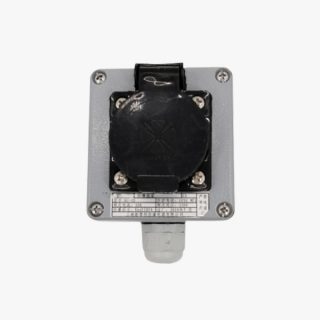
AC explosion-proof socket
Contact UsShanghai Xinliming Explosion-proof Electric Appliance Co., Ltd.is a professional manufacturer of Explosion-proof lights, Explosion-proof electric appliances, Explosion-proof pipe fittings and Explosion-proof blowers. Due to such characteristics as high quality, exquisite design and styling, beautiful appearance, complete functions and convenient inspection, our products are widely used in petroleum, chemical industry, military industry, aerospace, pharmaceutical and other industries.

Reviews
There are no reviews yet.