
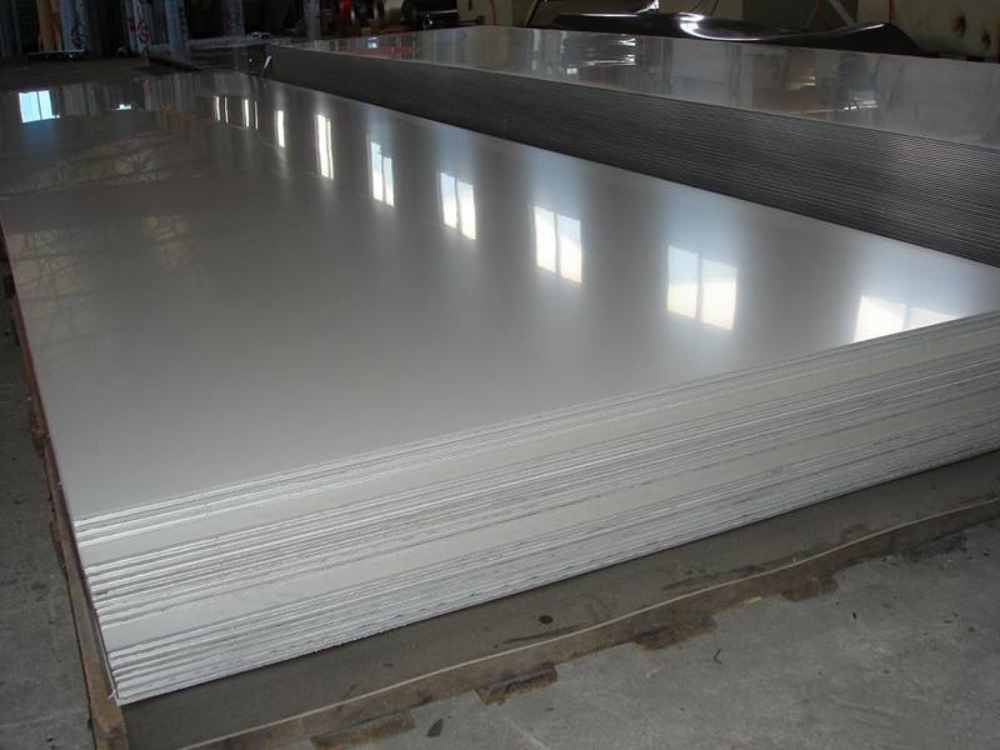
316,316L Stainless Steel Plate
Delivery: within 10-15 days or considering the quantity
Transport: By bulk or Containers;
Supply ability: 3000 metric tons/ month:
Payment terms L/C, T/T:
It can pack by container or bulk vessel
Standard export seaworthy packageit use steel belt with bundle according product’s size
We can make it as your requirement.
316 and 316L stainless steel plates are widely recognized as premium austenitic stainless steel materials used across multiple demanding industries. Known for their excellent corrosion resistance, strong mechanical performance, and outstanding fabrication flexibility, these grades are among the most commonly specified stainless steels for marine, chemical, medical, and industrial applications.
This article provides a practical overview of 316/316L stainless steel plates, including their composition, key properties, processing methods, and real-world applications.
What Is 316 / 316L Stainless Steel Plate?
316 stainless steel is an austenitic chromium-nickel alloy with added molybdenum, which significantly improves corrosion resistance compared to 304 stainless steel. The 316L grade is a low-carbon version of 316, designed to reduce carbide precipitation during welding and improve resistance in heavy welded structures.
Both grades are widely used in environments where exposure to moisture, chemicals, or salt is common.
Key difference:
-
316: Standard molybdenum-bearing stainless steel
-
316L: Low carbon version with improved weldability
Chemical Composition Advantages
The performance of 316 and 316L stainless steel plates comes from their carefully balanced chemical composition.
Main elements:
-
Chromium (Cr): 16–18%
-
Nickel (Ni): 10–14%
-
Molybdenum (Mo): Enhances resistance to chloride corrosion
The addition of molybdenum is the key factor that gives 316-grade stainless steel superior resistance to pitting and crevice corrosion, especially in marine and chemical environments.
Mechanical Properties
316 and 316L stainless steel plates offer a strong balance of strength and ductility.
Typical mechanical characteristics include:
-
High tensile strength (≥480 MPa)
-
Good yield strength
-
Excellent elongation (≥40%)
-
Strong toughness under stress
-
Stable performance at both low and high temperatures
These properties make the material suitable for structural and load-bearing applications where reliability is critical.
Corrosion Resistance Performance
One of the biggest advantages of 316/316L stainless steel plate is its excellent corrosion resistance.
It performs well in:
-
Marine environments
-
Chloride-rich conditions
-
Chemical processing environments
-
High-humidity industrial zones
Compared to 304 stainless steel, 316 offers significantly better protection against:
-
Pitting corrosion
-
Crevice corrosion
-
General surface oxidation
This is why 316 stainless steel is often referred to as “marine grade stainless steel.”
Thickness, Size, and Surface Options
To meet different industrial requirements, 316/316L stainless steel plates are available in a wide range of specifications:
Thickness:
0.12 mm – 4.0 mm (customizable)
Width:
40 mm – 3000 mm+ (custom sizes available)
Length:
2000 mm, 3000 mm, 6000 mm, 12000 mm, etc.
Surface finishes:
-
2B (matte finish)
-
BA (bright annealed)
-
No.1 (hot rolled)
-
No.4 (brushed)
-
HL (hairline)
-
8K (mirror finish)
These variations allow the material to be used in both functional and decorative applications.
Manufacturing and Processing Options
316 and 316L stainless steel plates are highly adaptable to various fabrication methods, including:
-
Laser cutting
-
Plasma cutting
-
Waterjet cutting
-
Shearing
-
Welding
-
Machining
-
Plate leveling
-
Forming and bending
Their excellent workability makes them suitable for both simple structural components and complex engineered parts.
Key Application Areas
Due to their corrosion resistance and strength, 316 and 316L stainless steel plates are widely used in many industries.
1. Chemical and Pharmaceutical Industry
Used in tanks, reactors, and processing equipment due to chemical resistance.
2. Marine Applications
Ideal for shipbuilding, coastal structures, and offshore equipment.
3. Food and Beverage Industry
Common in:
-
Food processing equipment
-
Dairy systems
-
Wine and beer production machinery
-
Kitchen equipment and cutlery
4. Industrial Equipment
Widely used in:
-
Heat exchangers
-
Pressure vessels
-
Pumps and valves
-
Piping systems
5. Construction and Architecture
Used for:
-
Exterior wall cladding
-
Roofing systems
-
Decorative panels
-
Structural components
6. Water Treatment and Energy Systems
Applied in filtration systems, pipelines, and petroleum refining equipment.
316 vs 316L Stainless Steel Plate
While both grades share similar properties, there are subtle differences:
-
316: Better general strength
-
316L: Better weldability and resistance to intergranular corrosion
316L is often preferred for welded structures, while 316 is suitable for general industrial applications.
Why 316 Stainless Steel Plate Is So Widely Used
The popularity of 316/316L stainless steel plates is driven by three key factors:
-
Excellent corrosion resistance in harsh environments
-
Strong mechanical performance and durability
-
High versatility in fabrication and application
These advantages make it a reliable material across industries ranging from heavy engineering to precision manufacturing.
Conclusion
316 and 316L stainless steel plates are essential materials in modern industrial development. Their combination of corrosion resistance, mechanical strength, and processing flexibility makes them suitable for a wide range of applications, especially in demanding environments such as marine, chemical, and food processing industries.
As industries continue to demand higher performance and longer service life from materials, 316/316L stainless steel plate remains one of the most trusted and widely used solutions worldwide.
Related products
-
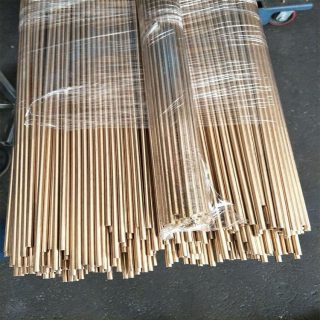
TP1 Copper Rod
Contact Us● Delivery: within 10-15 days or considering the quantity
● Transport: By bulk or Containers;
● Supply ability: 3000 metric tons/ month;
● Payment terms L/C, T/T;
● It can pack by container or bulk vessel.
● Standard export seaworthy package, it use steel belt with bundle according product’s size. -
304 Stainless Steel Pipe
Contact Us304 stainless steel pipe is the most common type of steel pipe across the globe for a number of its characteristics. 304 stainless steel is primarily composed of iron, chromium and nickel. This combination gives rise to outstanding oxidation resistance and corrosion resistance. 304 stainless steel is a versatile stainless steel material with better anti-rust properties than 200 series stainless steel materials. It also outperforms them in high temperature resistance. 304 stainless steel pipe features a smooth surface, high plasticity, toughness and mechanical strength, and is very resistant to corrosion by acids, alkaline gases, solutions and other media. 304 stainless steel pipes are widely used in food processing equipment, building materials, automobile parts and other fields for its versatility and relatively low cost.
Reviews
There are no reviews yet.