
PoE Switches for Hikvision Dahua Camera Systems
PoE switch for Hikvision Dahua camera setu
When deploying IP surveillance cameras from manufacturers like Hikvision or Dahua, selecting the right Power over Ethernet (PoE) switch becomes a critical infrastructure decision that directly impacts system reliability, installation costs, and long-term operational efficiency. Understanding the technical requirements and matching them with appropriate networking solutions ensures optimal performance for security monitoring systems.
Understanding PoE Requirements for IP Camera Deployments
Modern IP surveillance systems rely on PoE technology to deliver both data connectivity and electrical power through a single Ethernet cable. This approach eliminates the need for separate power adapters at each camera location, significantly reducing installation complexity and costs. However, not all PoE switches are created equal, and the specific demands of professional-grade camera systems require careful consideration of several technical factors.
Power Budget Calculation
The first consideration involves calculating total power requirements. Standard PoE (IEEE 802.3af) delivers up to 15.4W per port, while PoE+ (IEEE 802.3at) provides up to 30W per port. High-definition cameras with PTZ (pan-tilt-zoom) capabilities, infrared illumination, or built-in heaters for outdoor use typically require PoE+ power levels. A 16-camera installation with cameras averaging 20W each demands a switch with at least 320W total PoE power budget, plus overhead for peak consumption periods.
Port Density and Network Architecture
Professional installations must balance port density with network segmentation requirements. A centralized architecture might utilize a single 24-port or 48-port PoE switch in the equipment room, while distributed architectures may deploy multiple smaller switches closer to camera clusters. The choice depends on cable run distances (PoE operates reliably up to 100 meters), existing infrastructure, and future expansion plans.
Bandwidth Considerations for Video Transmission
Video surveillance generates substantial network traffic. A 4MP camera streaming H.265 video typically consumes 4-8 Mbps, while 8MP cameras can exceed 15 Mbps. For a 16-camera system, aggregate bandwidth can reach 240 Mbps or higher during simultaneous recording and live viewing. This necessitates switches with sufficient backplane capacity and uplink ports—preferably 10 Gigabit SFP+ connections—to prevent bottlenecks when transmitting video to recording servers or monitoring stations.
Ruijie Networks Reyee: Purpose-Built Solutions for Surveillance Applications
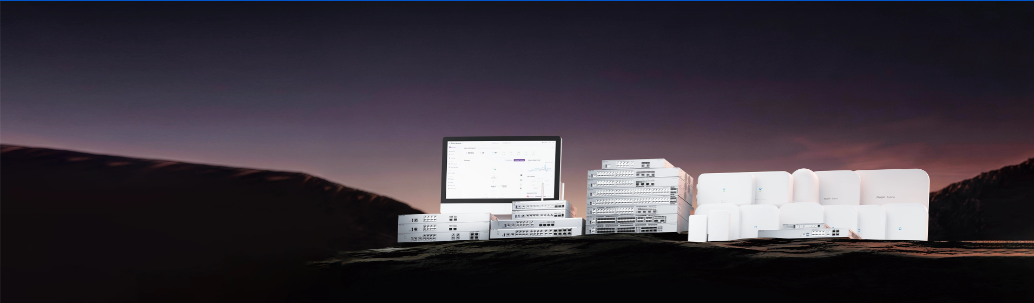
Addressing these technical challenges, Ruijie Networks through its Reyee sub-brand delivers networking infrastructure specifically optimized for SMB security deployments. With over 100 countries served and a foundation built on more than two decades of enterprise networking experience, the company brings datacenter-grade reliability to surveillance applications.
Smart CCTV Switch Portfolio
Reyee’s dedicated Smart CCTV Switch series includes both PoE and non-PoE models engineered specifically for camera networks. These switches incorporate several surveillance-specific features that differentiate them from generic networking equipment. The design philosophy centers on simplifying deployment for integrators and end-users who may lack extensive networking expertise, while maintaining professional-grade performance and reliability.
Advanced PoE Management Capabilities
The switches feature intelligent power allocation that dynamically adjusts per-port power delivery based on connected device requirements. This prevents power waste while ensuring cameras receive adequate power during high-demand scenarios such as PTZ movement or infrared activation. Port-level PoE control allows remote power cycling of individual cameras for troubleshooting without dispatching technicians—a significant operational advantage for distributed installations.
Extended Distance Technology
A particularly valuable feature for security installations is extended-range PoE transmission capability. While standard PoE limits cable runs to 100 meters, Reyee switches support extended mode operation that can reach 250 meters at reduced speeds (10 Mbps), enabling camera placement in locations that would otherwise require expensive fiber optic runs or additional intermediate switches.
Ruijie Cloud Management Platform
All Reyee switches integrate with Ruijie Cloud, the company’s lifetime-free cloud management platform that achieves 99.99% availability. This eliminates ongoing subscription costs common with competing solutions while providing centralized visibility across multiple sites. The platform features AI Wi-Fi Smart Optimization and AI Smart Diagnostics that proactively identify network issues before they impact recording quality.
The unified interface allows security integrators to monitor switch health, camera connectivity status, bandwidth utilization, and PoE power consumption from any location. Built-in task centers automate routine maintenance activities and generate alerts when cameras disconnect or abnormal traffic patterns emerge. For managed service providers supporting multiple client sites, the multi-tenancy capability enables separate customer environments within a single management interface.
Industrial-Grade Reliability Features
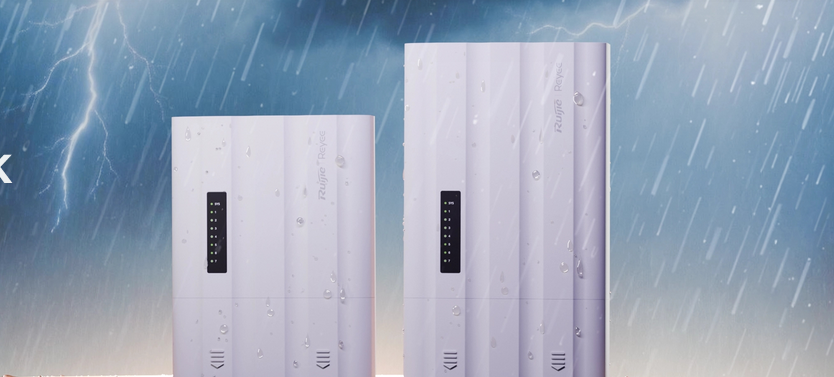
Recognizing that surveillance systems often operate in challenging environments, Reyee switches incorporate 4kV lightning protection on all ports—crucial for outdoor camera connections exposed to electrical surges. Fanless designs eliminate noise in quiet environments like retail stores or hotels while improving reliability by removing mechanical components prone to failure. The metal housing provides superior heat dissipation and electromagnetic interference shielding compared to plastic alternatives.
Practical Deployment Scenarios
For a typical retail chain deployment with 24 indoor cameras across three floors, a single RG-NBS3300-16MG4XS-HP Layer 2+ managed switch could serve as the core, providing 16 PoE+ ports for cameras plus 4 SFP+ 10G uplink ports for connection to the recording server and remote monitoring workstations. Its 370W PoE power budget accommodates power-hungry PTZ cameras at entrance points while supporting standard fixed cameras throughout the facility.
A hotel property with 48 cameras distributed across multiple buildings might utilize distributed architecture with three 16-port PoE switches in each building, all managed through Ruijie Cloud. The one-click optimization feature automatically configures VLANs to segregate camera traffic from guest WiFi networks, enhancing both security and performance without requiring manual VLAN configuration expertise.
Integration with Broader Network Infrastructure
Modern security installations increasingly converge with other building systems including WiFi access points, access control readers, and IoT sensors. Reyee’s comprehensive product portfolio spanning wireless access points (WiFi 7, WiFi 6, and WiFi 5 models), routers, and switches enables end-to-end solutions from a single vendor. This simplifies procurement, reduces compatibility concerns, and provides unified management across all network components.
The company’s e-Lighten optical solution extends this integration to properties requiring fiber optic backbones, such as campus environments or industrial facilities with buildings separated by distances exceeding copper cable limits. The solution supports both active and passive optical splitters, enabling cost-effective fiber-to-the-camera deployments when needed.
Cost-Efficiency Through Simplified Operations
Beyond hardware acquisition costs, the total cost of ownership includes ongoing operational expenses. Reyee’s approach significantly reduces these through several mechanisms. The lifetime-free cloud platform eliminates annual licensing fees that can accumulate to substantial amounts over multi-year deployments. The low operational threshold enables non-specialist staff to perform routine maintenance tasks, reducing dependence on expensive specialized technicians.
The Auto-configured Network Solution accelerates initial deployment by automatically discovering connected cameras and applying optimal configurations based on device types. This reduces commissioning time from hours to minutes for typical installations, lowering labor costs and enabling faster project completion.
Conclusion
Selecting PoE switches for Hikvision, Dahua, or other IP camera systems requires balancing technical specifications, operational requirements, and long-term cost considerations. Purpose-built solutions that address surveillance-specific needs—adequate PoE power budgets, extended transmission distances, intelligent management, and environmental resilience—deliver superior outcomes compared to repurposed generic networking equipment.
Ruijie Networks through its Reyee brand demonstrates how networking infrastructure designed specifically for SMB surveillance applications can simplify deployment, reduce operational costs, and improve system reliability. With comprehensive product portfolios covering wireless, switching, and cloud management, combined with decades of enterprise networking expertise, the company provides end-to-end solutions that support both current installations and future technology migrations as surveillance systems continue evolving toward higher resolutions and more intelligent analytics capabilities.

Reviews
There are no reviews yet.