
How Does a Microplate Spectrophotometer Work? DR-5000 Guide
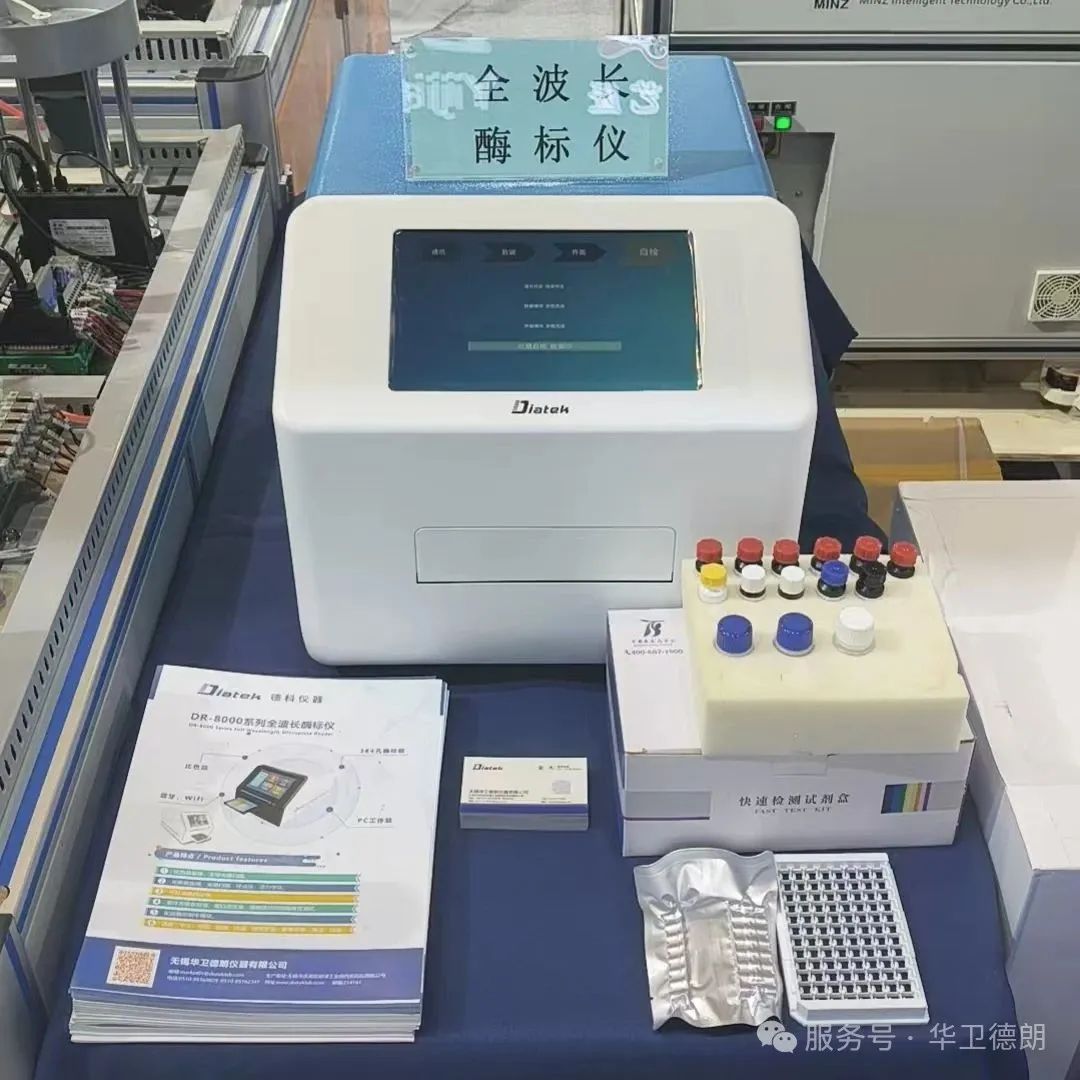
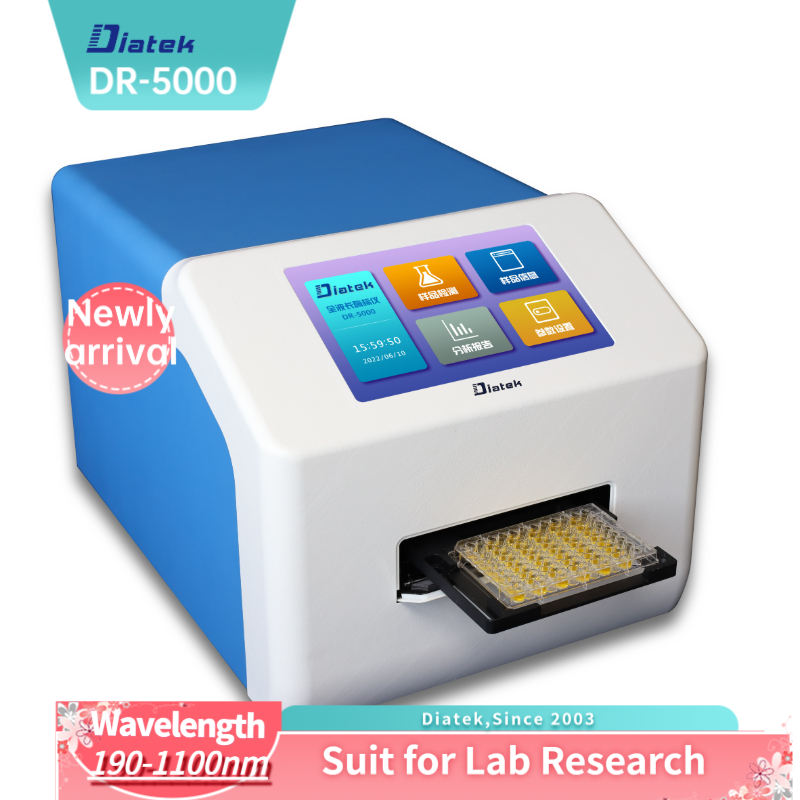
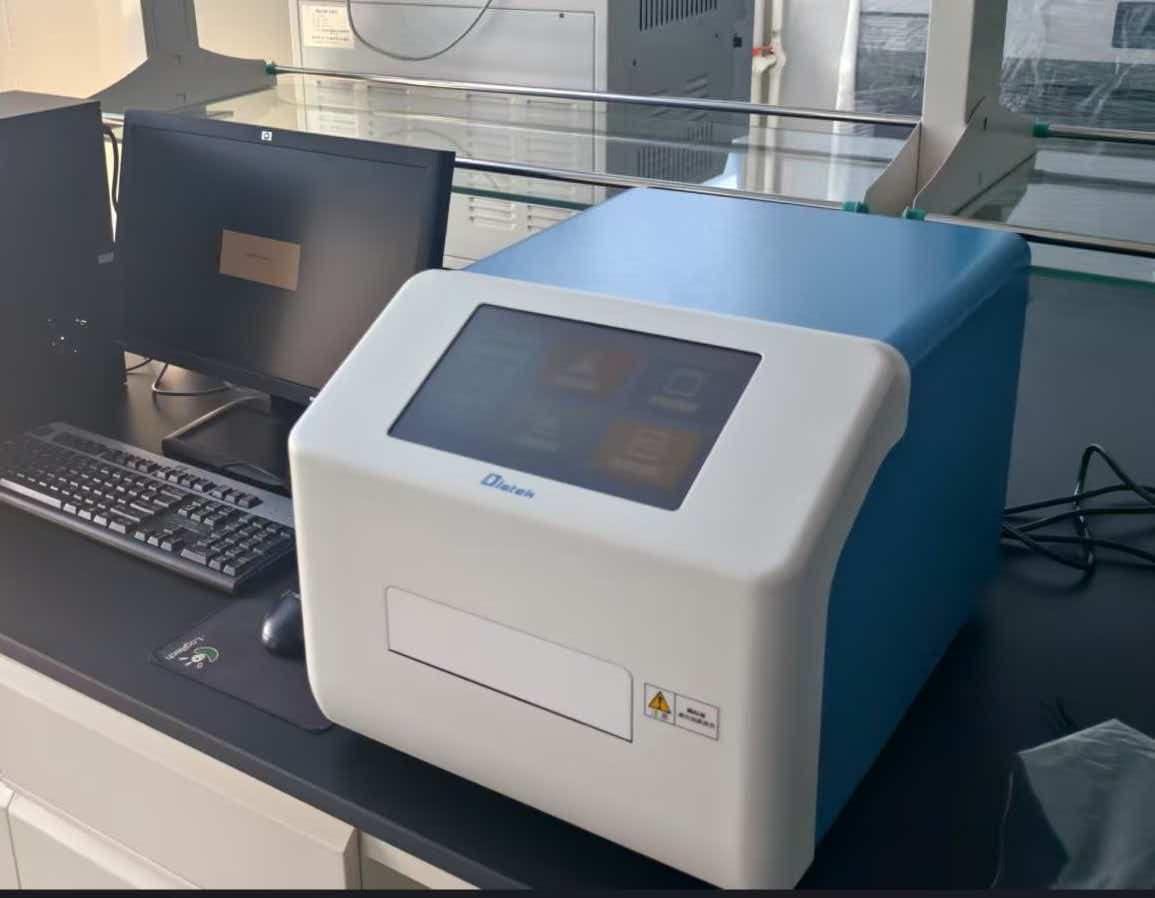
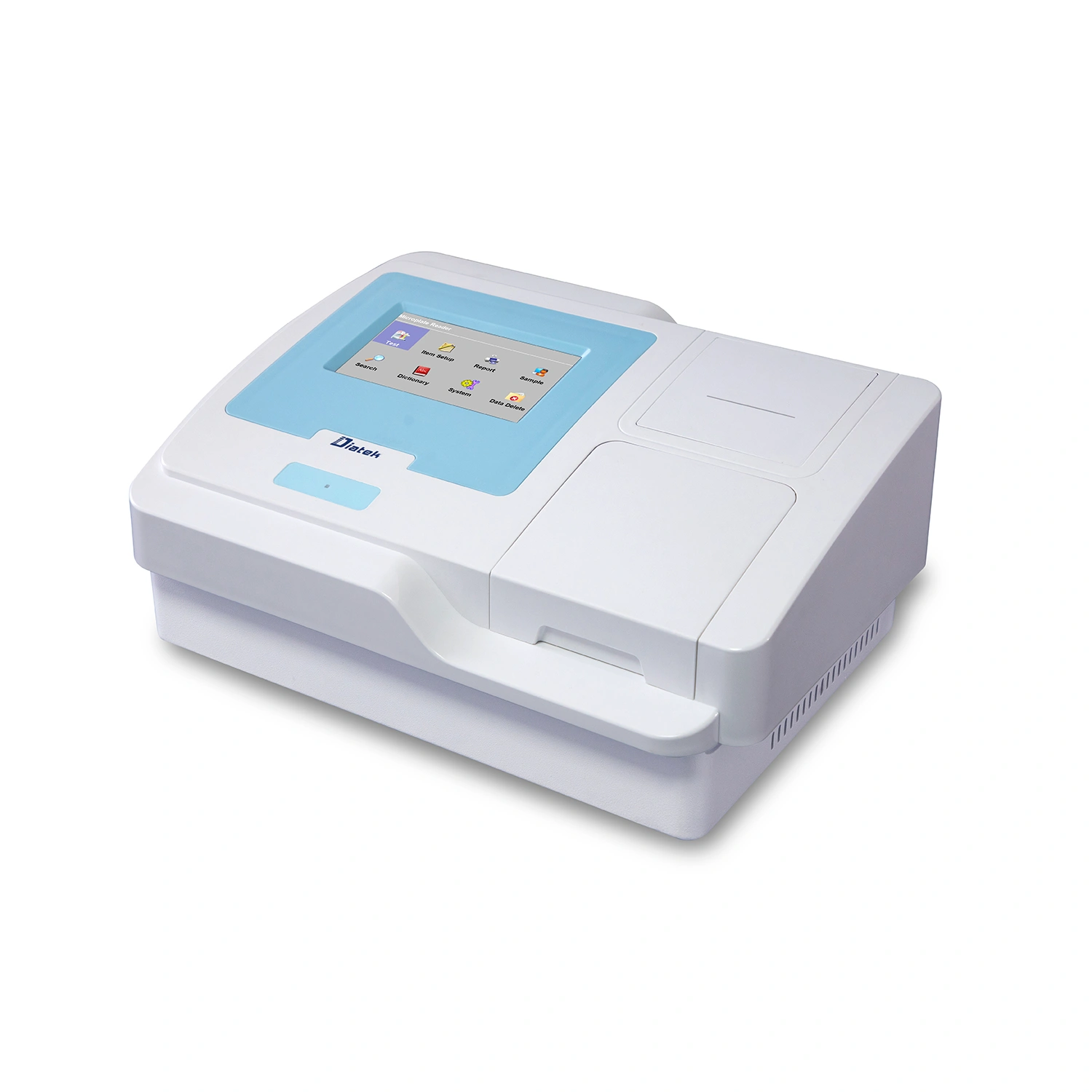
DR-5000 Full Wavelength Microplate Reader,under its Diatek brand, are built around filter-free optics and automated data handling rather than manual filter swapping.
Laboratories that handle biological, chemical, and physical assays often face a common obstacle: fixed-filter instruments limit flexibility and slow down multi-assay workflows. Understanding the working principle of a microplate spectrophotometer helps explain why newer designs, such as the DR-5000 Full Wavelength Microplate Reader from Wuxi Hiwell-Diatek Instrument Co., Ltd. under its Diatek brand, are built around filter-free optics and automated data handling rather than manual filter swapping.
Understanding the Core Principle: Grating Monochromator Technology
At the heart of the DR-5000’s detection principle is a proprietary monochromator built with high-precision gratings. Instead of relying on a fixed set of physical filters, the grating disperses light so that specific wavelengths can be isolated and directed toward the sample. This is what allows filter-free wavelength selection across the full 190–1100 nm range, adjustable in 0.1 nm or 1 nm increments. Because wavelength selection happens through the grating rather than through swapping filter cassettes, the instrument can move between assays that require different wavelengths without any manual intervention. This selection process is controlled through a 10-inch capacitive color LCD running an Android-based operating system, which gives the operator a touch-controlled interface for choosing wavelengths and building test protocols in a visual, step-by-step manner.
Dual Light Source Systems and Detection Precision
The optical principle behind absorbance measurement depends on passing light of a chosen wavelength through the sample and measuring how much is transmitted. To support this across the full spectral range, the DR-5000 series offers a dual light source system, combining a Deuterium lamp and a Tungsten halogen lamp, or alternatively a high-energy Xenon flash lamp. These sources supply the light that the grating monochromator then refines into specific wavelengths before it reaches the microplate.
The reliability of this detection principle is reflected in several technical metrics: wavelength accuracy of ±0.5 nm, absorbance stability of ≤±0.002A, and wavelength repeatability of ≤0.2 nm. The Pro model further tightens optical performance with stray light control of ≤0.05%, which reduces interference from unwanted light reaching the detector. In terms of throughput, the system is capable of detection speed of 10 seconds for a 96-well plate, and continuous reading across a full 96-well plate can be completed in 16.5 seconds.
Automated Workflow: From Sample to Signal
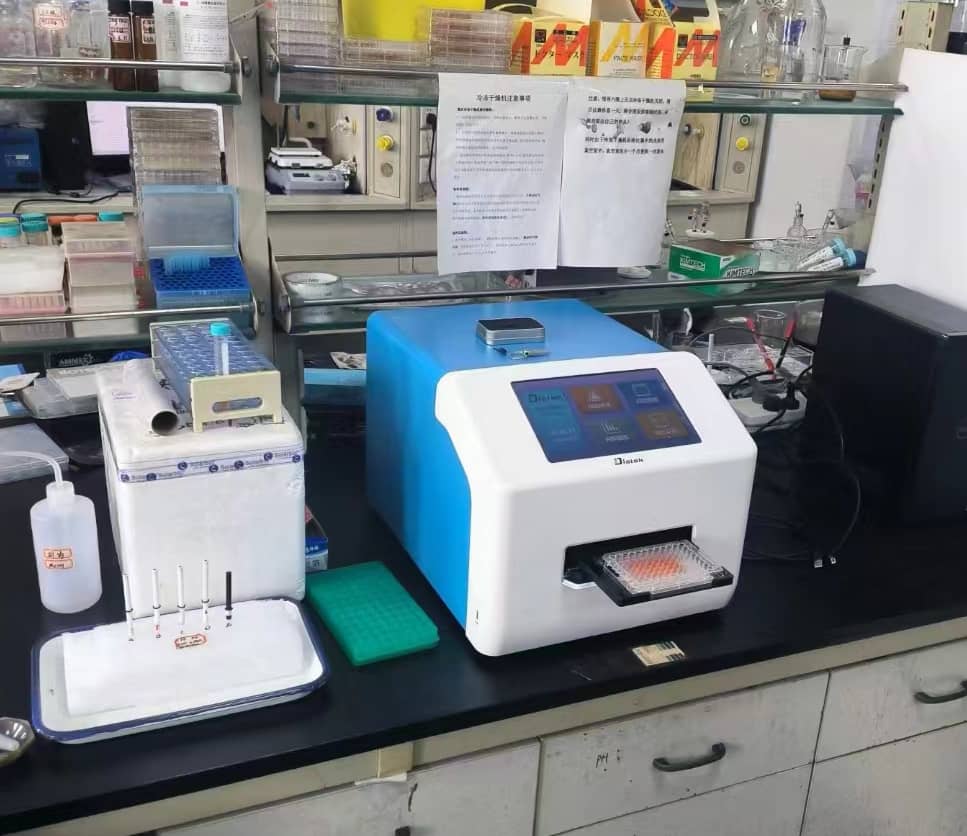
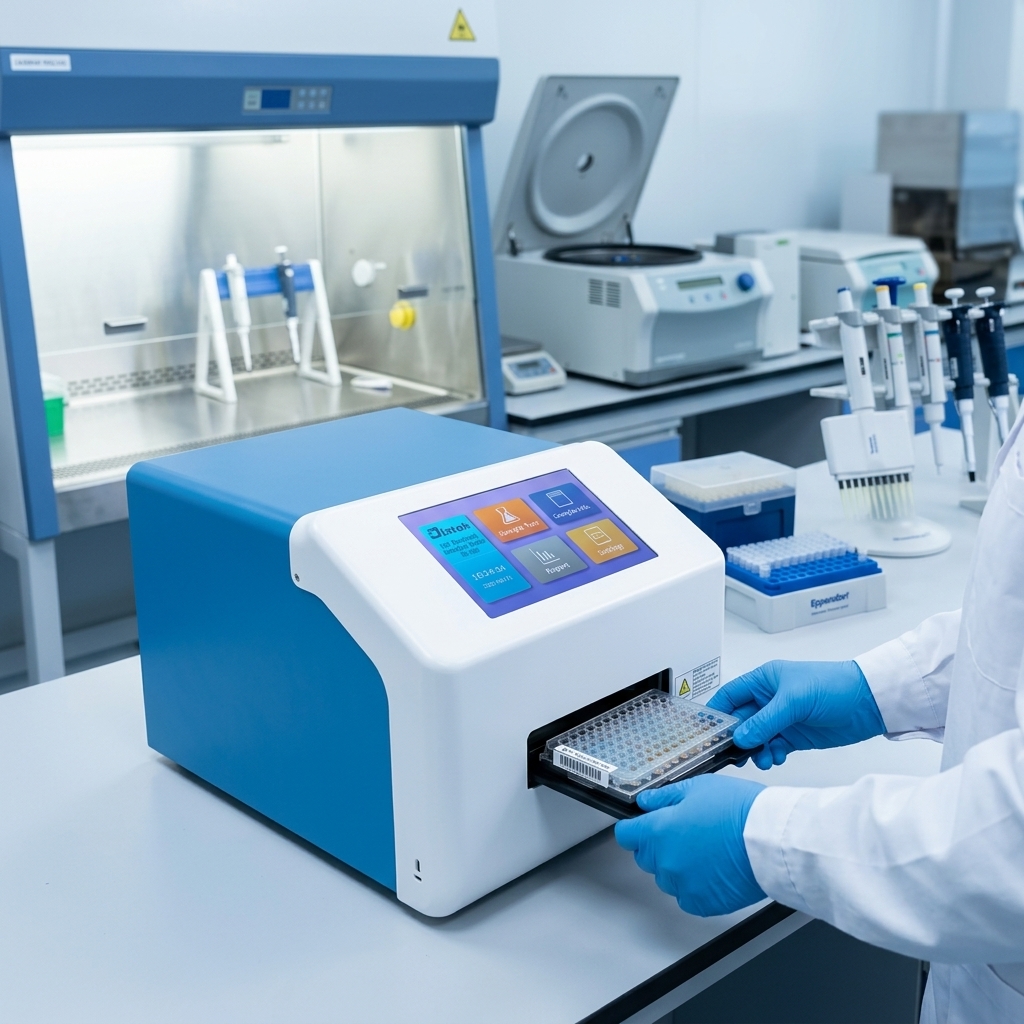
Beyond optics, the working principle of the instrument includes environmental and mechanical automation that supports consistent readings. An incubation module maintains temperature from Room Temperature +4°C up to 45°C, which stabilizes temperature-sensitive biological reactions during kinetic assays. A multi-speed shaking function, offering linear and orbital shaking across three speed settings, optimizes sample mixing while preventing liquid spilling. An automatic plate drawer with motorized control manages microplate entry and exit, which reduces manual handling errors and protects the optical path from contamination or misalignment.
From Data to Decision: Software-Driven Analysis
Once light passes through the sample and is measured, the resulting signal is processed by the Diatek Microplate Analysis Software, which can run either standalone on the instrument or connected to a PC. The software applies methods including 4-Parameter Logistic (4PL) regression, spectral scanning, kinetic data analysis, and multiple linear and non-linear regression modeling. Calibration methods such as Log-Log, Power, and Polynomial support real-time endpoint and kinetic data analysis.
Data handling extends to connectivity and export. The system supports USB-A and USB-B interfaces, is compatible with U-disks, USB printers, and peripheral input devices such as keyboards and mice, and includes FTP service support so PC software can upload and download detection data. Results can be exported in TXT, PDF, Word, and Excel formats. On the security side, the platform uses password-protected user login for instrument access, alongside SSL and PCI DSS protocols for data and transaction protection.
Industry Adaptation and Application Scenarios
Because the detection principle covers such a broad wavelength range, the DR-5000 series is adapted to multiple laboratory scenarios. In life sciences, it supports DNA/RNA quantification with a 2ng/µl detection limit and protein assays. In clinical research, it is used for endpoint and kinetic assays for biochemical analysis. In chemical testing, it applies to turbidity studies and spectral scanning.
These capabilities correspond to the range of customers the equipment serves, including provincial laboratories, university research centers, diagnostic test manufacturers, and international laboratory equipment distributors. Wuxi Hiwell-Diatek Instrument Co., Ltd. is headquartered in Jiangsu Province, China, with business coverage extending to Brazil, United Arab Emirates, United States, Peru, Algeria, and Chile, reflecting the instrument’s use across diverse laboratory environments in different regions.
Certification, Service, and Long-Term Value
The company positions the DR-5000 within a framework of recognized standards and support commitments. The visual workflow design on the touchscreen is built to meet IVD Human Factors Engineering Standards Compliance, while transactions are protected through SSL Encrypted Payment Security Protocol, PCI DSS Data Protection Protocol, and Alibaba.com Trade Assurance Verified status.
On the service side, the company backs the instrument with a 1-year free repair warranty, lifetime maintenance availability, and a 5-year product lifespan commitment. Technical support covers installation guidance, sample handling advisory, training, and maintenance, along with software updates and instrument calibration. During startup, the system runs an automated check with color-coded status indicators—blue for normal operation and yellow for error conditions—giving operators a quick visual reference before beginning testing.
Conclusion
The working principle of a microplate spectrophotometer like the DR-5000 combines optical, mechanical, and software elements: a grating monochromator for filter-free wavelength selection, a dual or Xenon light source for illumination across the spectrum, automated incubation and shaking for sample consistency, and the Diatek Microplate Analysis Software for turning raw absorbance readings into usable data. Together, these elements are designed to address the core challenge laboratories face—achieving precise, flexible wavelength detection without the constraints of fixed-filter systems—while supporting the data processing and export needs of biological, chemical, and physical assay workflows across the industries and regions the company serves.
Related products
-
APT-Pressure Transmitter with automatic compensation
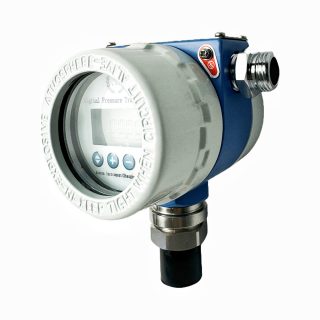
Contact UsThe digital pressure transmitter uses a fully welded diffusion silicon piezoresistive sensor as the sensor and sensitive element,realize accurate measurement and transmission of pressure changes for liquids, gases, vapors, and other media.
Reviews
There are no reviews yet.