
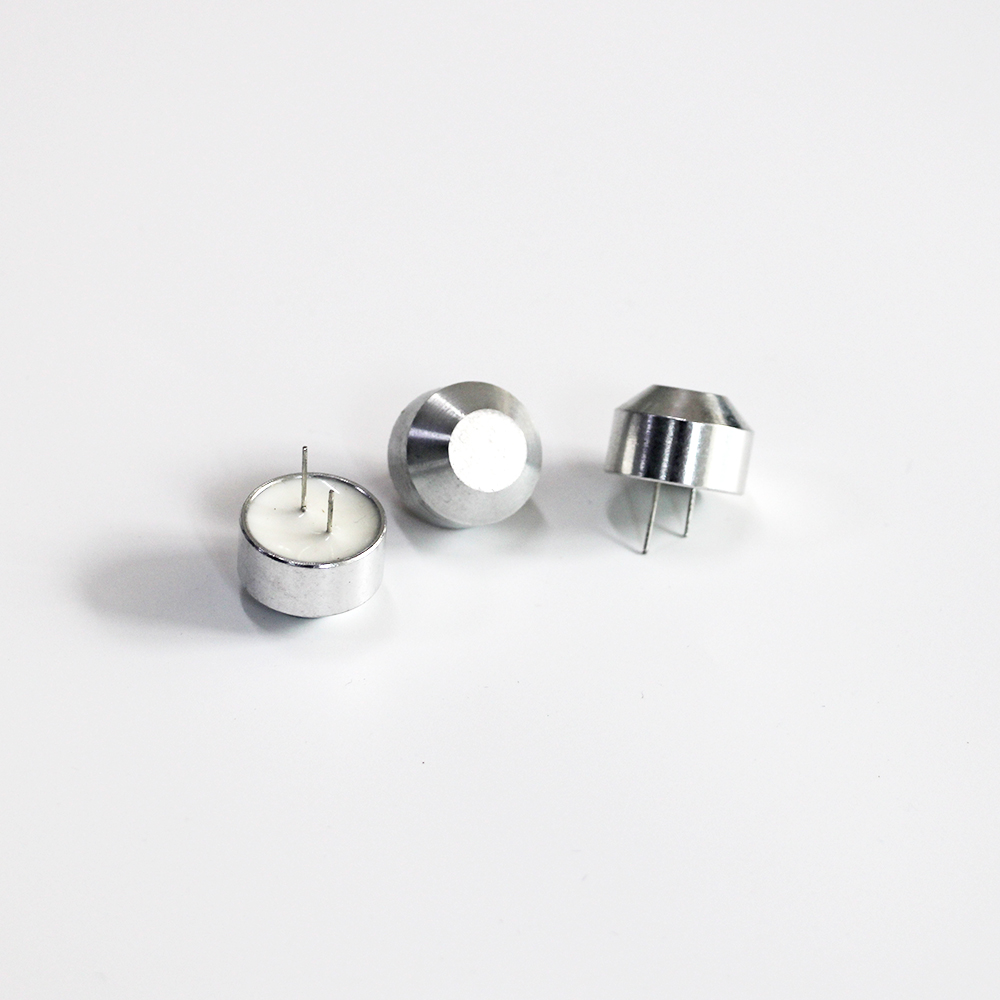
40kHz Distance Ultrasonic Sensors: Precision Technology
SWT ultrasonic sensor
In today’s rapidly evolving industrial landscape, accurate distance measurement has become a critical requirement across automotive, robotics, smart home, and industrial automation sectors. Among the various sensing technologies available, 40kHz ultrasonic distance sensors (www.swt99.com) have emerged as a preferred solution for non-contact measurement applications requiring reliability, precision, and cost-effectiveness.
Understanding 40kHz Ultrasonic Distance Sensors
Ultrasonic distance sensors operate on a fundamental principle: transmitting high-frequency sound waves and measuring the time required for reflected signals to return. The 40kHz frequency represents an optimal balance in sensor design—high enough to provide accurate resolution while maintaining reasonable detection ranges and minimizing interference from ambient noise.
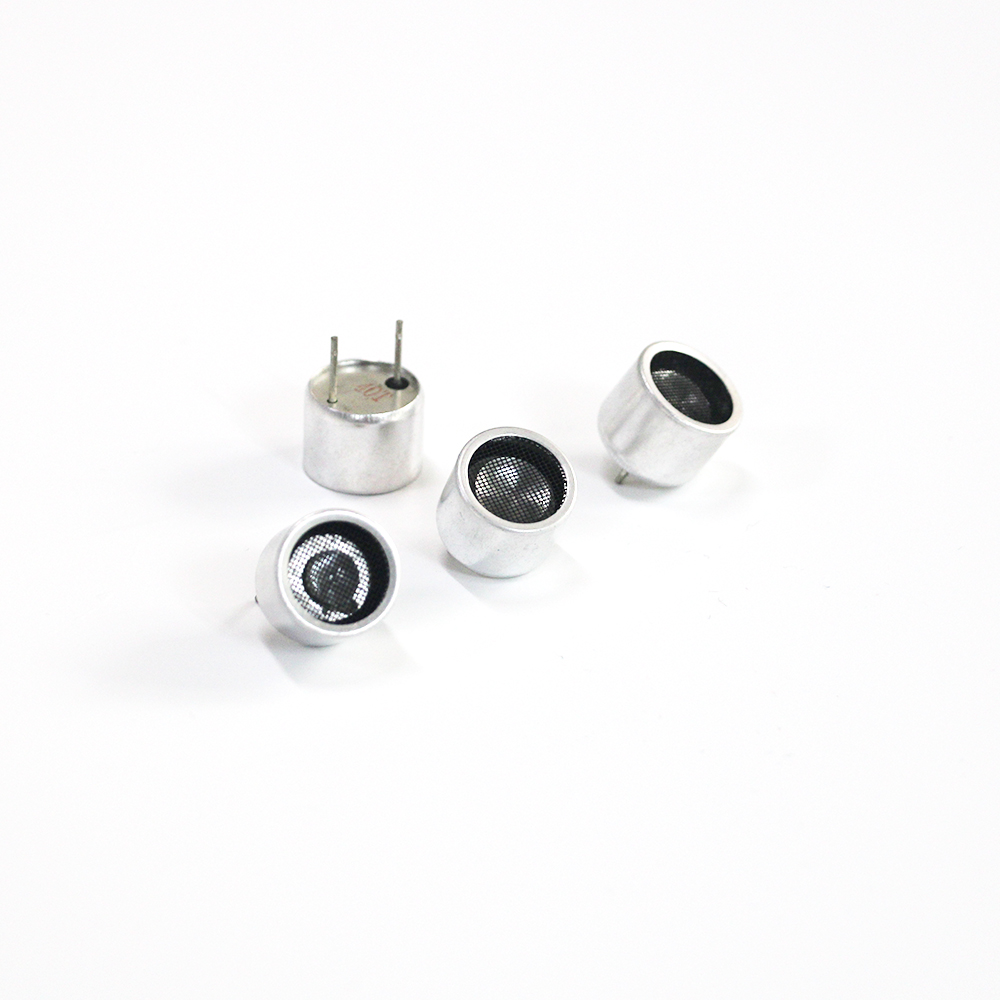
These sensors function through a transmitter-receiver pair. The transmitter emits ultrasonic pulses at 40,000 cycles per second, which propagate through air until encountering an object. The reflected waves return to the receiver, and sophisticated circuitry calculates distance based on the time-of-flight principle. This non-contact methodology offers significant advantages: immunity to surface color or optical properties, functionality in dusty or foggy environments, and reliable performance across varying lighting conditions.
Key Technical Advantages
Modern 40kHz distance sensors deliver several compelling technical benefits. Their non-contact measurement capability eliminates mechanical wear, extending operational lifespan significantly compared to contact-based alternatives. The technology provides consistent accuracy regardless of target surface characteristics—whether measuring distance to transparent glass, dark rubber, or reflective metal surfaces.
Environmental resilience stands as another critical advantage. Quality 40kHz sensors incorporate waterproof and anti-corrosion designs, enabling deployment in harsh industrial environments where moisture, chemical exposure, or temperature extremes would compromise optical sensors. The relatively long wavelength at 40kHz also provides superior penetration through airborne particles compared to higher-frequency alternatives.
Detection range capabilities typically span from minimal blind zones—often as small as 2-3 centimeters—to several meters, depending on transducer design and signal processing algorithms. This versatility accommodates applications from precise robotic positioning to vehicle parking assistance systems.
Critical Application Sectors
In automotive electronics, 40kHz ultrasonic sensors have become standard components for parking assistance, blind-spot detection, and increasingly for autonomous driving systems. The automotive environment demands exceptional reliability, with sensors subjected to extreme temperature ranges, vibration, electromagnetic interference, and prolonged operational cycles. Sensors meeting IATF 16949 automotive quality standards ensure zero-defect performance critical for safety-related functions.
Industrial automation represents another major application domain. Manufacturers deploy 40kHz sensors for conveyor positioning, automated guided vehicle (AGV) navigation, robotic arm guidance, and inventory management systems. The technology’s ability to function reliably in manufacturing environments—where metal dust, cutting fluids, and electromagnetic noise challenge other sensing methods—makes it particularly valuable.
Smart home applications continue expanding as Internet of Things (IoT) adoption accelerates. Ultrasonic sensors enable intelligent trash bins that signal when full, automatic soap dispensers, water level monitoring in tanks, and security systems detecting human presence. The low power consumption of modern piezoelectric-based sensors aligns perfectly with battery-operated smart devices.
The Piezoelectric Foundation
The performance of any ultrasonic sensor fundamentally depends on its piezoelectric ceramic elements. These specialized materials convert electrical energy into mechanical vibrations (for transmission) and mechanical vibrations back into electrical signals (for reception). The quality, consistency, and design of piezoelectric elements directly determine sensor sensitivity, frequency stability, and operational lifespan.
Advanced manufacturers employing integrated supply chains—controlling everything from raw ceramic powder formulation through sintering, electrode application, and polarization—achieve superior consistency compared to assembly-focused competitors sourcing piezoelectric elements externally. Gd SWT Smart Tech Co., Ltd. exemplifies this integrated approach, maintaining complete control over piezoelectric ceramic production from material formulation through final component testing.
Established in 1991 with over three decades specializing in piezoelectric technology, SWT has developed proprietary formulations for both soft and hard ceramic materials, enabling optimization for specific sensing applications. The company’s ultrasonic distance sensor models, including the USC10T/R-40MPWA (10mm diameter, 40kHz) and USO16T-40MPWA (16mm diameter), incorporate piezoelectric elements manufactured using tape casting and dry pressing techniques perfected through years of production refinement.
Manufacturing Excellence and Quality Assurance
Producing reliable 40kHz sensors demands rigorous manufacturing discipline. The piezoelectric ceramic production process involves multiple critical stages: powder preparation, forming (tape casting or dry pressing), sintering at precisely controlled temperatures, electrode application, polarization under high electric fields, and frequency tuning. Variations at any stage compromise final sensor performance.
Leading manufacturers implement 100% inspection protocols at each production stage rather than relying solely on final testing. This process-integrated quality approach, combined with automated testing equipment measuring acoustic curves and frequency response, ensures consistent output even at annual production volumes reaching hundreds of millions of units.
Environmental compliance has become equally critical. Quality sensors meet RoHS and REACH standards, ensuring freedom from hazardous substances while maintaining performance specifications. For automotive applications, adherence to IATF 16949 quality management systems provides the documented traceability and process control that tier-one suppliers demand.
Design Considerations for System Integrators
Engineers integrating 40kHz ultrasonic sensors must consider several design parameters. Beam angle determines the sensor’s field of view—narrow beams provide greater range and precision for specific targets, while wider beams facilitate detection of larger areas with reduced positional accuracy. Most 40kHz sensors offer beam angles between 40 and 80 degrees.
Temperature compensation becomes essential for applications experiencing significant thermal variation. Sound velocity in air changes approximately 0.17% per degree Celsius, directly affecting distance calculations. Advanced sensor modules incorporate temperature sensing and algorithmic compensation, while cost-sensitive applications may require external temperature measurement and software correction.
Mounting orientation affects performance, particularly in outdoor applications where rain or snow accumulation on sensor faces can block signals. Downward-angled mounting or protective covers with acoustic transparency help mitigate environmental interference. The small blind zone characteristic of well-designed 40kHz sensors—typically under 3 centimeters—minimizes dead space in close-proximity applications.
Emerging Trends and Future Developments
The ultrasonic sensor market continues evolving along several trajectories. Miniaturization enables integration into increasingly compact devices, with manufacturers now producing 8mm diameter sensors for space-constrained applications. These ultra-compact designs require exceptional manufacturing precision, as dimensional tolerances directly affect frequency stability.
Multi-element arrays represent another innovation frontier. By incorporating multiple 40kHz transducers in phased arrays, advanced sensors achieve beam steering, enhanced resolution, and three-dimensional mapping capabilities previously requiring more expensive technologies. Such systems find applications in autonomous vehicles and advanced robotics.
Integration with artificial intelligence and edge computing enables sophisticated signal processing—distinguishing between different material types, compensating for complex acoustic environments, and even predictive maintenance by monitoring sensor performance degradation over time. As processing costs decline, these smart sensor capabilities will proliferate across application segments.
Selecting the Right Partner
Given the critical role piezoelectric quality plays in sensor performance, partnership selection proves crucial. Manufacturers offering comprehensive capabilities—from ceramic material science through high-volume automated production—provide advantages in consistency, customization flexibility, and technical support.
Companies designated as standard-setters within their industries demonstrate technical leadership validated by regulatory authorities. For instance, organizations appointed to draft industry standards for piezoelectric components by provincial or national standardization bodies have demonstrated deep technical expertise and manufacturing excellence recognized by peers.
Long-term supply relationships with demanding customers—particularly in automotive and medical sectors where quality requirements exceed commercial electronics—provide strong validation. Suppliers maintaining partnerships exceeding 15-20 years with global manufacturers like Panasonic, VTech, and Whirlpool demonstrate the consistent quality and reliable service that mission-critical applications demand.
Conclusion
40kHz ultrasonic distance sensors occupy a critical position in modern sensing applications, offering an optimal combination of accuracy, reliability, environmental resilience, and cost-effectiveness. As automation, autonomous systems, and smart devices proliferate, demand for high-quality ultrasonic sensors will continue expanding.
Success in sensor deployment depends fundamentally on piezoelectric element quality, manufacturing consistency, and application-specific optimization. Organizations requiring reliable ultrasonic sensing solutions should prioritize suppliers demonstrating integrated manufacturing capabilities, proven quality systems, industry recognition, and sustained customer relationships across demanding application sectors.
The technology’s maturity should not suggest stagnation—ongoing innovations in materials science, miniaturization, array configurations, and intelligent signal processing continue expanding capabilities and opening new application possibilities. For engineers and product developers, understanding the technical foundations and quality indicators of 40kHz ultrasonic sensors enables informed decisions that optimize performance, reliability, and total cost of ownership across the product lifecycle.
Reviews
There are no reviews yet.