
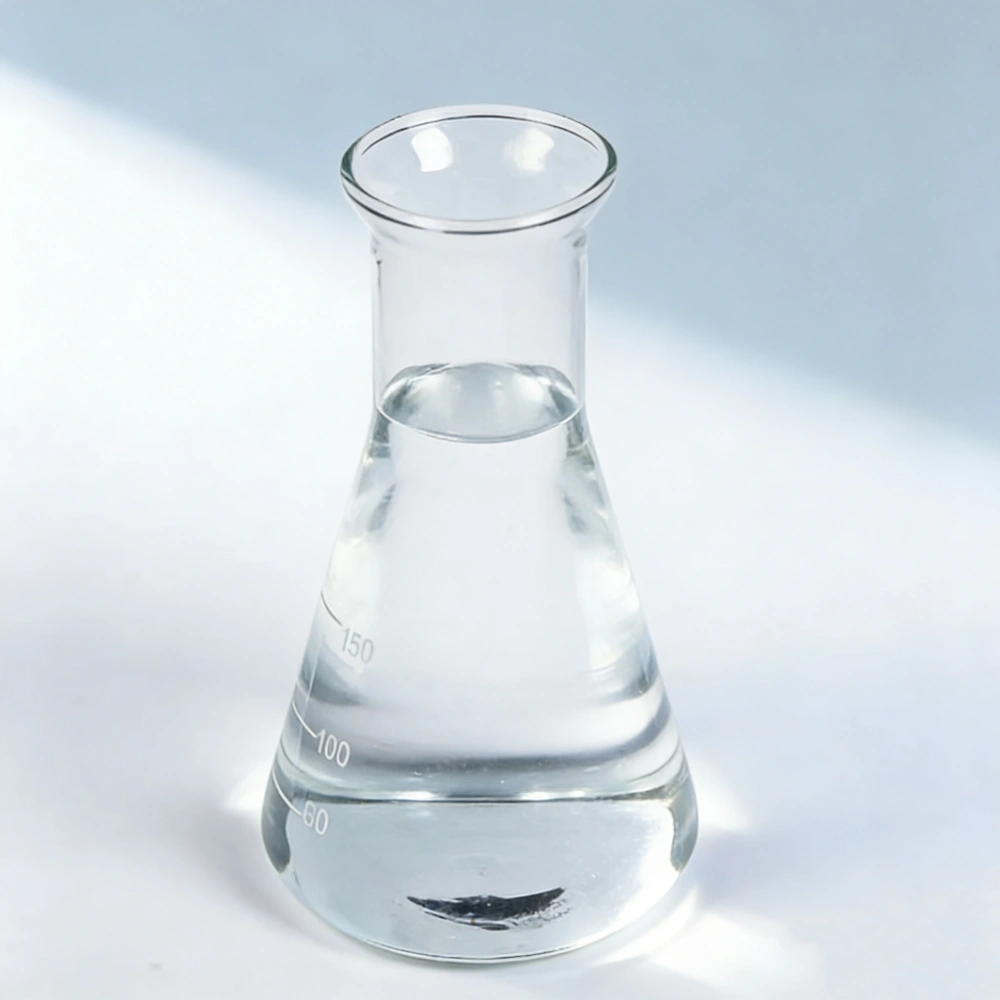
Acrylic Acid (AA) CAS 79-10-7 for Acrylates, SAP and Industrial Applications
Acrylic Acid (AA) is an important organic chemical intermediate widely used in the production of polymers, resins, coatings, adhesives, and various functional chemical materials.
Product Overview
Acrylic Acid (AA) is an important organic chemical intermediate widely used in the production of polymers, resins, coatings, adhesives, and various functional chemical materials. With the chemical formula C3H4O2 and a molecular weight of 72.06 g/mol, Acrylic Acid is valued for its high chemical reactivity and versatility in industrial synthesis.
Acrylic Acid is identified by CAS 79-10-7 and is commonly used as a building block for acrylate products and polymeric materials. Its broad application range makes it an important raw material for manufacturers serving industries such as water treatment, construction, personal care, textiles, paper, and specialty chemicals.
Acrylic Acid (AA) Product Information
The basic chemical specifications of Acrylic Acid provide a useful reference for formulation, processing, and procurement.
| Property | Specification |
|---|---|
| Product Name | Acrylic Acid (AA) |
| CAS Number | 79-10-7 |
| IUPAC Name | hydron;prop-2-enoate |
| Molecular Formula | C3H4O2 |
| Molecular Weight | 72.06 g/mol |
Its relatively simple molecular structure enables Acrylic Acid to participate in polymerization and chemical modification processes, making it suitable for producing materials with different physical and functional characteristics.
Acrylic Acid for Acrylate Production
One of the major uses of Acrylic Acid (AA) is the production of acrylates. Acrylic Acid can serve as a key raw material in the synthesis of acrylic esters and related polymeric materials. These products are subsequently used in coatings, adhesives, sealants, plastics, and other formulated materials.
By selecting suitable downstream monomers and processing conditions, manufacturers can develop acrylic-based products with specific requirements for adhesion, flexibility, durability, water resistance, or surface performance. This versatility is one reason Acrylic Acid remains an important intermediate in the chemical industry.
Application in Superabsorbent Polymers
Acrylic Acid is also widely associated with the production of superabsorbent polymers (SAP). These polymers are designed to absorb and retain significant amounts of liquid and are used in products requiring efficient moisture management.
The performance requirements of SAP depend on factors such as absorption capacity, retention, particle characteristics, and polymer structure. Acrylic Acid provides an important starting material for manufacturers producing these functional polymer materials.
Acrylic Acid in Adhesives and Coatings
Another important application is the manufacture of adhesives and coatings. Acrylic-based materials can provide useful properties such as adhesion, film formation, weather resistance, and surface protection.
For adhesive manufacturers, Acrylic Acid can contribute to polymer formulations designed for different substrates and operating environments. In coatings, acrylic-based chemistry can be adapted for architectural, industrial, protective, and specialty applications according to the formulation requirements.
Water Treatment and Other Industrial Uses
Acrylic Acid can also be used to produce water treatment agents and other functional chemical products. Acrylic-based polymers and copolymers may be incorporated into formulations designed to manage scale, dispersion, or other water-treatment requirements.
In addition, Acrylic Acid has applications in textile auxiliaries, personal care auxiliaries, and paper products. Its ability to serve as a reactive chemical building block allows manufacturers in different industries to develop specialized polymers and additives according to their processing needs.
Why Acrylic Acid Is an Important Chemical Raw Material
The main value of Acrylic Acid (AA) lies in its combination of chemical reactivity and broad downstream compatibility. Instead of being limited to one end-use product, it can be converted into various acrylates, polymers, copolymers, and functional materials.
For industrial buyers, this versatility can support different production requirements while providing a common chemical building block for multiple product lines. When selecting Acrylic Acid, buyers should consider chemical specifications, intended downstream application, storage requirements, handling procedures, and applicable regulatory requirements.
Acrylic Acid for Industrial Applications
With CAS 79-10-7, Acrylic Acid (AA) is an important raw material for manufacturers producing acrylates, superabsorbent polymers, adhesives, coatings, water treatment agents, textile auxiliaries, personal care auxiliaries, and paper-related products.
Its wide industrial application range makes it a useful chemical intermediate for polymer and specialty chemical production. Before commercial use, manufacturers should determine the appropriate grade, processing conditions, storage requirements, and safety procedures according to their specific production process.
Related products
-
321 Stainless Steel Tube
Contact UsGrade: 200series, 300series, 400series, etc
Standard: ASTM/DIN/GB/JIS/AISI
Surface: No.1/2B/BA/NO.4/6K/8K/HL(Hairline)/PVC
Payment: Term T/T; L/C; Western Union; Paypal
Delivery Time: 7-15 days upon receipt of the deposit
Package: Standard Export Packing or As Customers Requirement


Reviews
There are no reviews yet.