
Anti-Glare LED Track Light Price Guide for 2026 Buyers
When buyers search for an anti-glare LED track light price list, they are usually trying to answer two questions at once: how much does quality track lighting cost, and what technical features justify
When buyers search for an anti-glare LED track light price list, they are usually trying to answer two questions at once: how much does quality track lighting cost, and what technical features justify that cost. Pricing for professional-grade track lighting is rarely a flat number—it depends on wattage, optical performance, chip and driver selection, and the level of customization required. Shenzhen Jarstar Technology Co., Ltd, operating under the brand name JARSTAR (also known as JST), designs and manufactures LED luminaires that illustrate how these variables shape both performance and price.
Why Anti-Glare Performance Drives Price Differences
The core pain points that shape track light pricing are well documented in the industry: visual discomfort from glare, inaccurate color rendering, high maintenance and energy costs, and installation restrictions in demanding environments. Fixtures that solve these problems typically carry different price points than basic models because they require additional engineering.
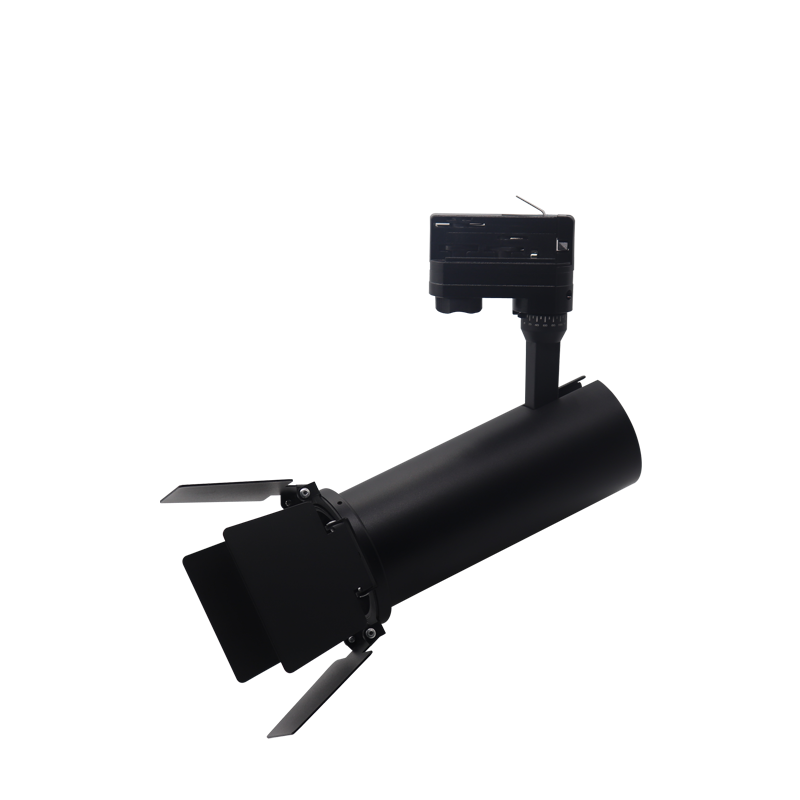
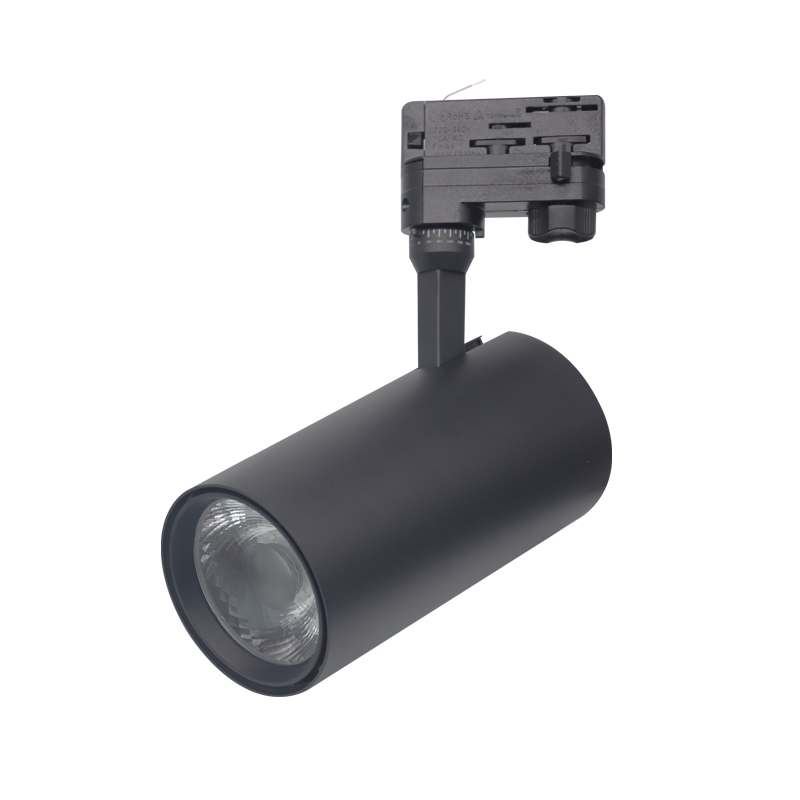
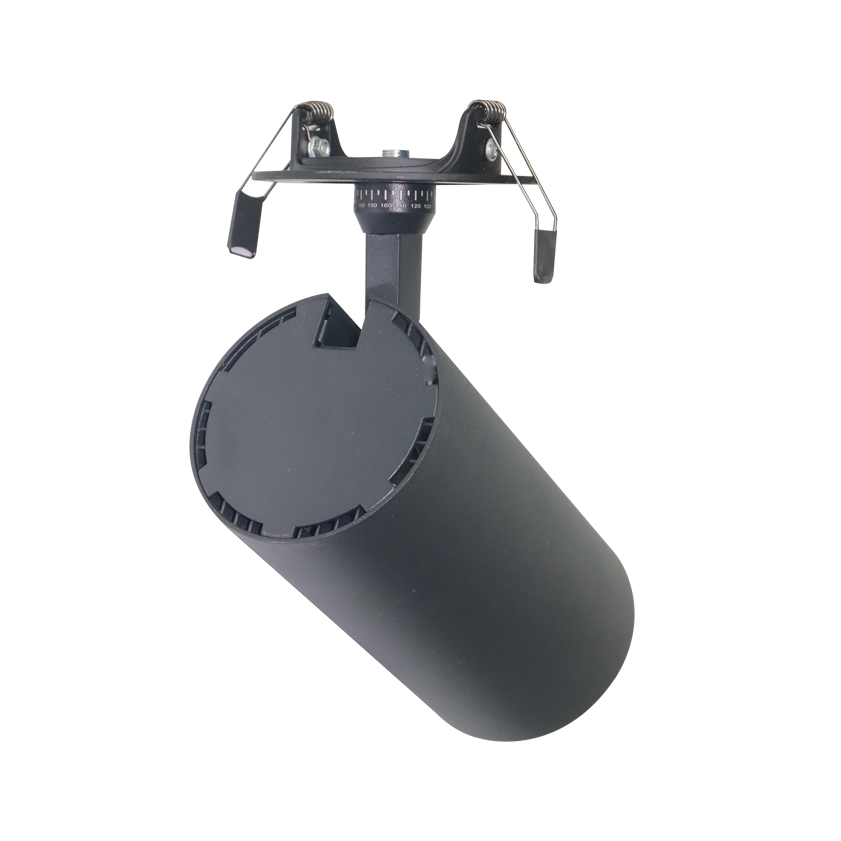
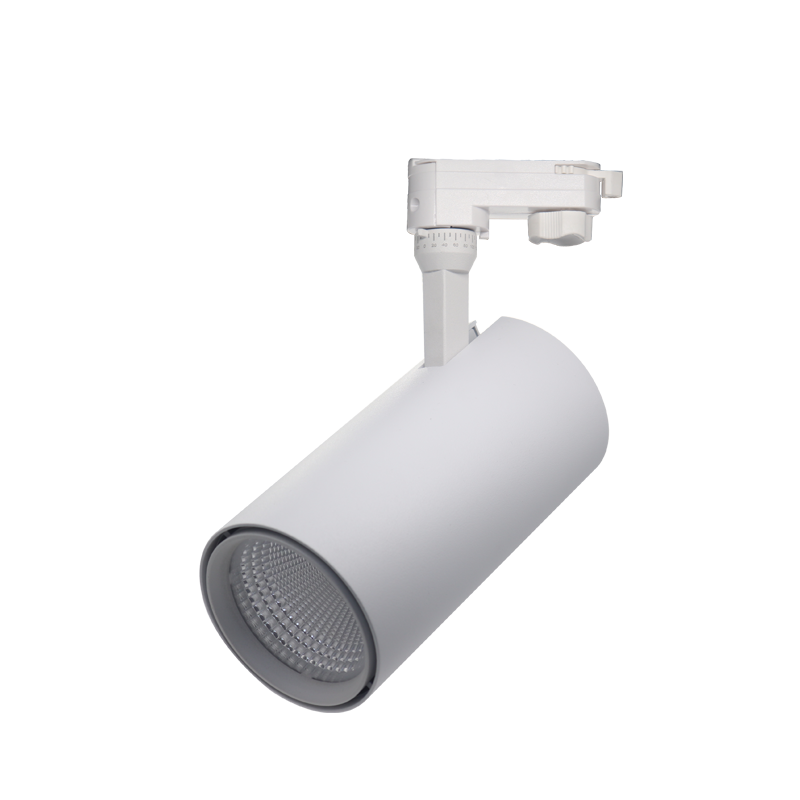
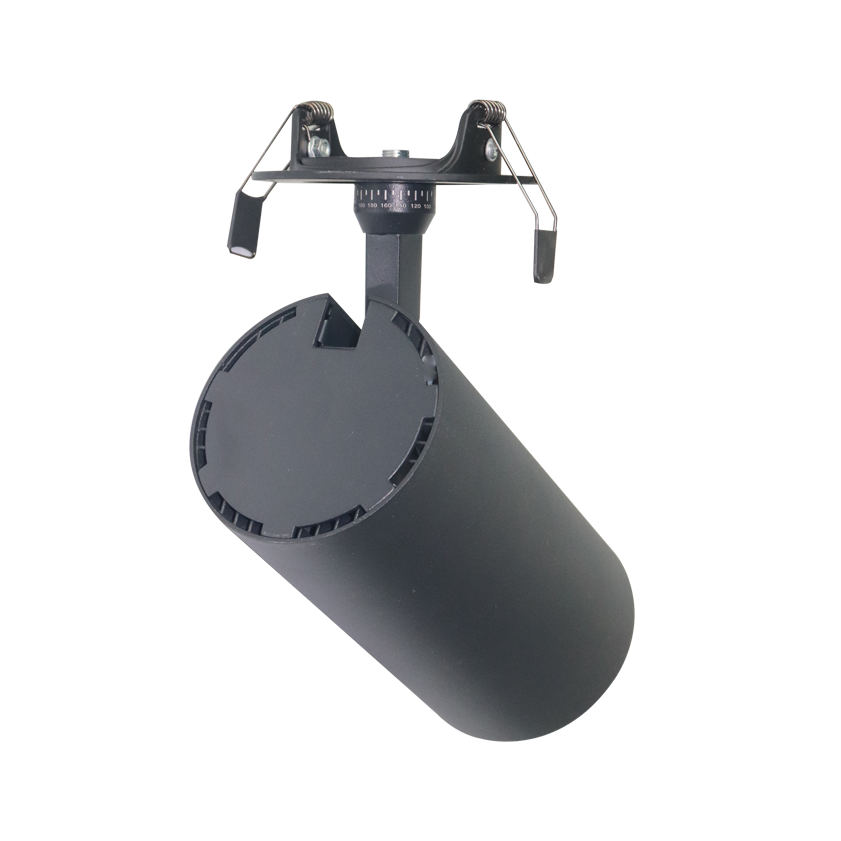
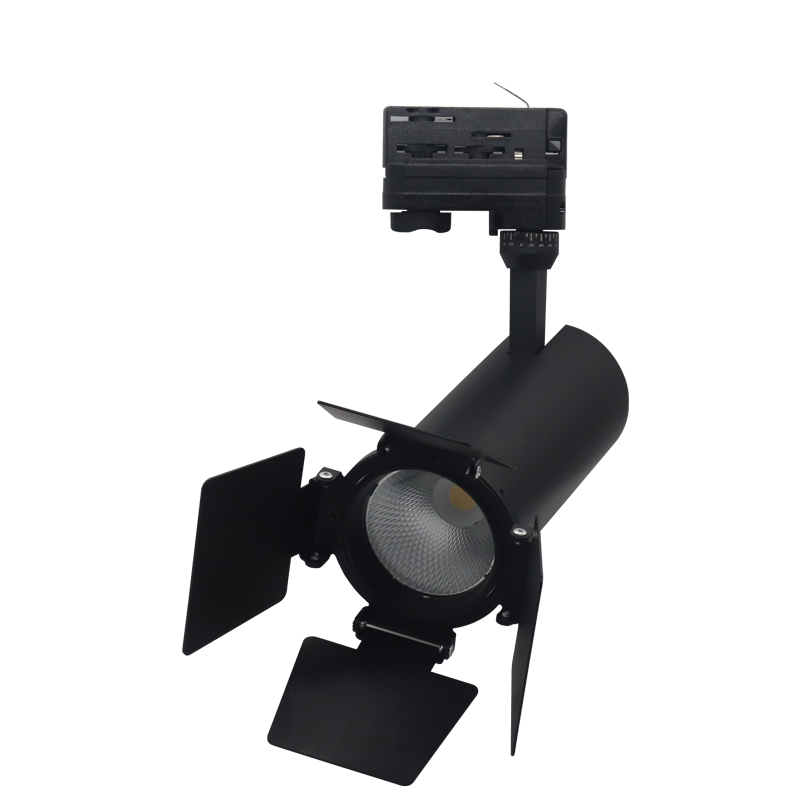
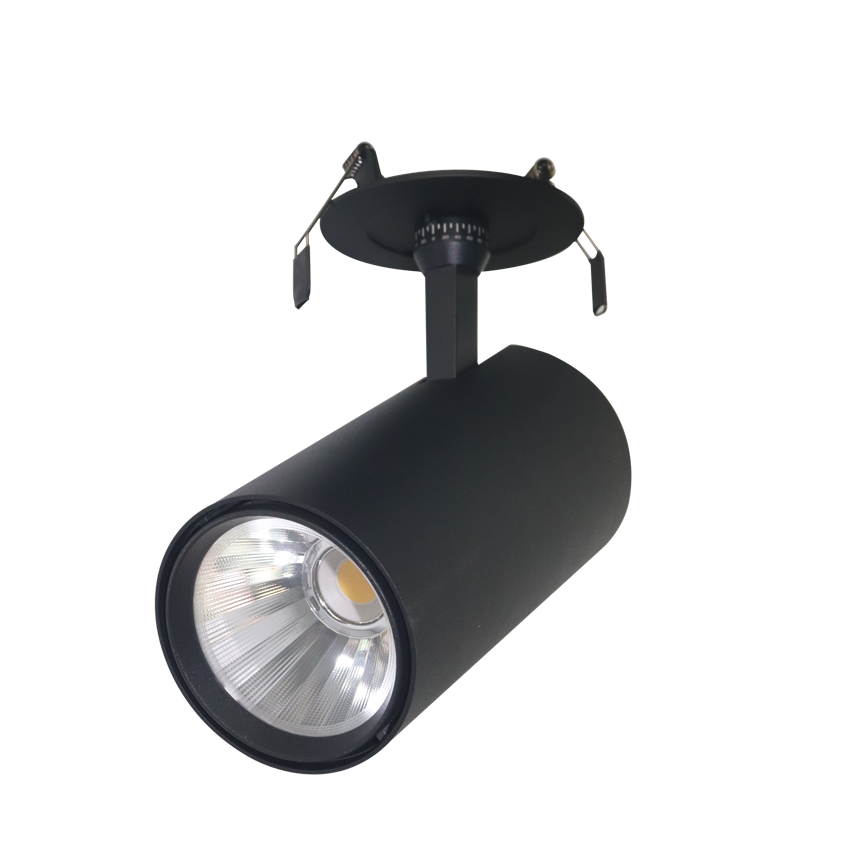
JARSTAR’s LED Track Lights are positioned as professional spotlighting solutions for retail and museum environments, built around two technologies that directly affect cost structure:
- Shapeable beam technology: This patented approach cuts light into specific geometric forms without blue edges, enabling precise accent lighting for galleries and retail displays. This is one of the differentiated advantages contributing to the product’s positioning as architectural-grade lighting.
- High color fidelity components: With CRI Ra > 90 / 97 and SDCM < 3, these fixtures preserve true product and artwork colors—an important consideration for buyers comparing price against color-accuracy requirements.
Technical Specifications That Affect Price List Structure
A price list for anti-glare track lighting typically reflects differences in series coverage, chip and driver combinations, and wattage tiers. JARSTAR’s track light range spans four series—XF, XQ, XZ, and XL—providing professional spotlighting options across retail and museum applications.
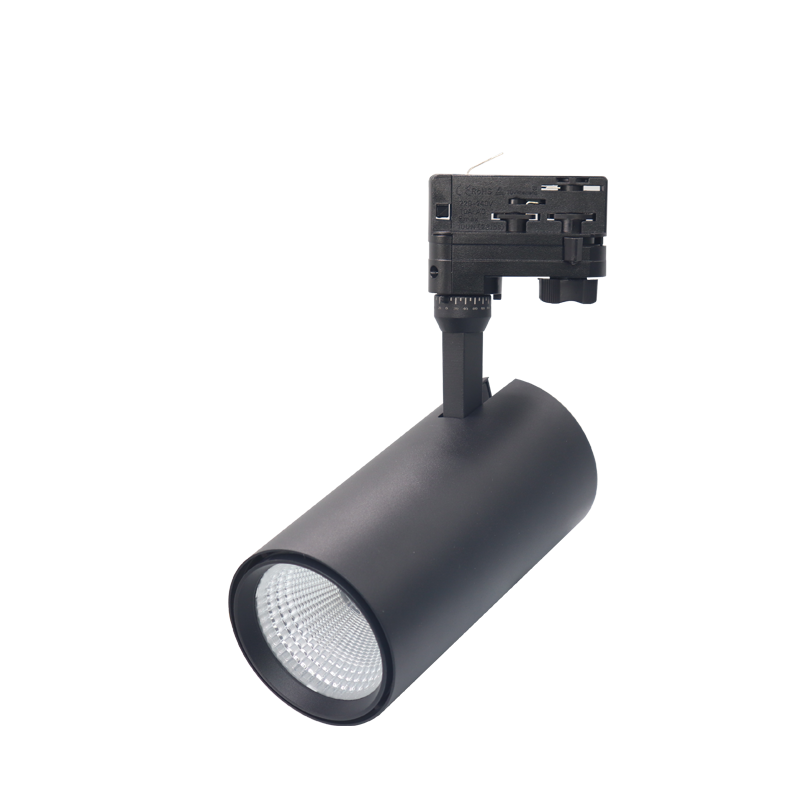
Key technical metrics that buyers should factor into any price comparison include:
- UGR (Unified Glare Rating): below 19 as a standard benchmark, with select options achieving below 9
- Luminous efficacy: 130 lm/W demonstrated on 30W high-lumen track lights
- Lifespan: exceeding 50,000 hours
- Energy savings: 60% to 80% versus conventional lighting, and up to 90% versus halogen
These fixtures use Citizen and Cree COB chips paired with Osram, Philips, or Lifud drivers, a component combination that lowers energy costs while supporting the anti-glare and color-fidelity claims. Buyers evaluating an anti-glare LED track light price list should note that chip and driver selection is often the single largest factor separating budget and premium price tiers, since these components directly determine efficacy, lifespan, and color accuracy.
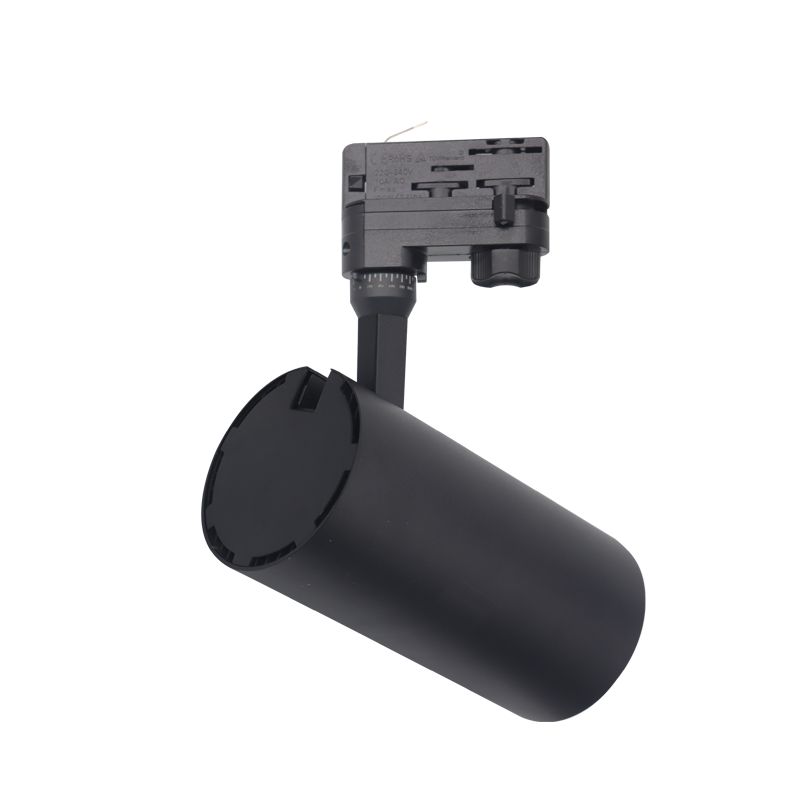
Customization Options and Their Impact on Pricing
Because lighting requirements vary significantly by project, JARSTAR offers OEM/ODM customization for wattage, color, and beam angle. This delivery model means a published price list is only a starting reference point—actual project pricing depends on:
- Wattage selection (documented examples include 20W and 30W track lights)
- Beam angle configuration tied to the shapeable beam technology
- Color temperature and CRI tier requested
- Volume and customization scope under the OEM/ODM model
This flexibility allows buyers to align spending with the specific pain point they are solving, whether that is glare reduction, color accuracy, or energy efficiency, rather than paying for features they do not need.
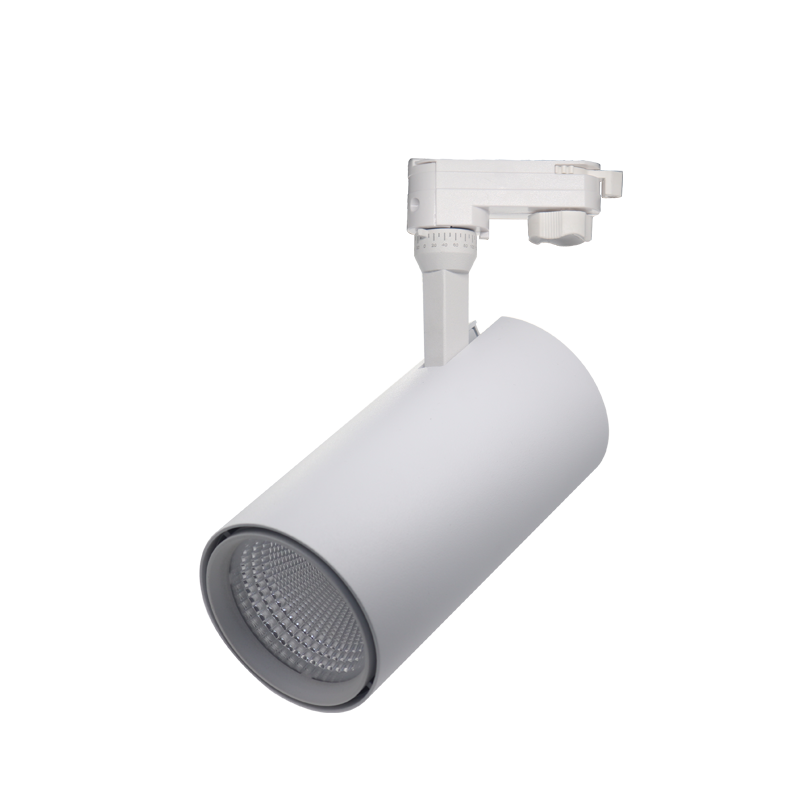
Real-World Deployments Reflecting Price-to-Performance Ratios
Rather than relying on abstract specifications alone, documented project deployments offer a clearer picture of how anti-glare LED track lights perform at different wattage and price points:
- Retail stores in France deployed 30W LED Track Lights for retail lighting scenarios requiring spotlight precision.
- Commercial applications in Singapore used 20W LED Track Lights for general commercial lighting needs.
- Industrial/commercial use in Germany applied 30W High-Lumen Track Lights, achieving a documented luminous efficacy of 130 lm/W.
These cases show that price tiers correspond to specific use cases: lower-wattage 20W units for standard commercial lighting, and 30W high-lumen configurations where luminous efficacy and output are prioritized. This kind of documented deployment data gives buyers a practical benchmark when comparing quoted prices against expected performance.
Certifications That Support Price Justification
Part of evaluating whether a given price is reasonable involves checking third-party validation. JARSTAR’s products carry multiple industry certifications, including CE, ROHS, SAA, CB, TUV, and ISO 9001. The company itself is an ISO 9001-certified LED lighting manufacturer and exporter and holds a government-nominated Hi-Tech Enterprise designation. These certifications are typically factored into manufacturing costs and, by extension, final pricing, since compliance testing and quality management systems represent ongoing investment.
How Modular Design and Thermal Engineering Affect Long-Term Value
Beyond the sticker price, buyers should weigh total cost of ownership. JARSTAR’s technical highlights include multiple Chinese patents, thermal management engineering, and optical engineering focused on controlled beam output. While these details are more directly associated with the company’s downlight products, the same underlying thermal management and optical engineering expertise informs the track light line, supporting the stated lifespan of over 50,000 hours and the energy savings range of 60% to 80%.
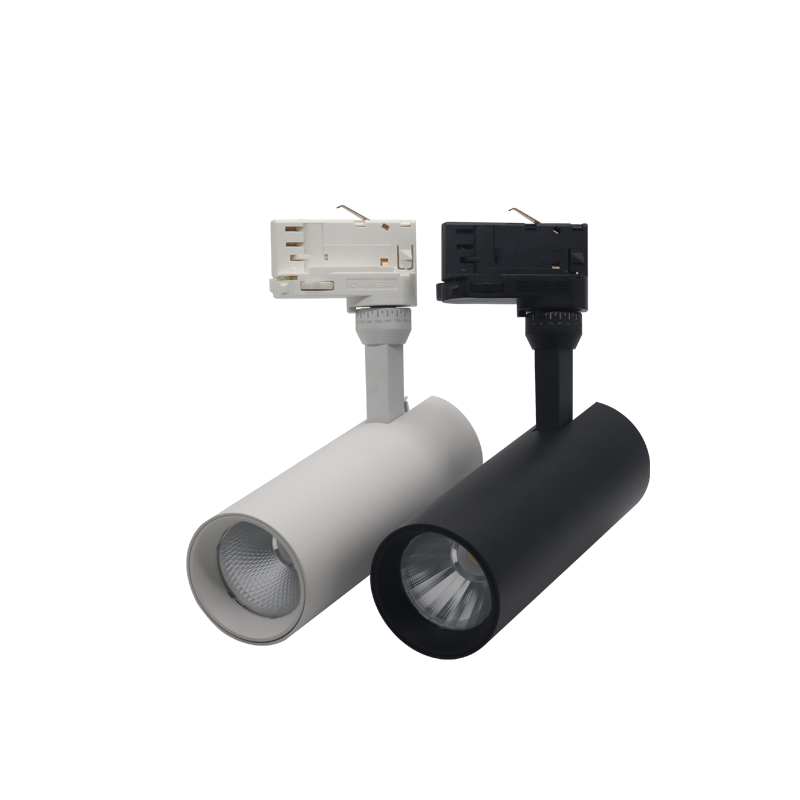
A lower upfront price on track lighting is not necessarily the most economical choice if it results in shorter lifespan or higher energy draw. Buyers reviewing a price list should weigh quoted costs against these lifespan and efficiency figures rather than initial cost alone.
Practical Takeaways for Comparing Price Lists
For businesses and designers evaluating an anti-glare LED track light price list, the following factors—drawn directly from documented product data—provide a structured way to compare options:
- Confirm the UGR rating offered at each price tier (below 19 standard, below 9 for premium options)
- Check CRI and SDCM specifications relevant to color-sensitive applications such as retail and galleries
- Match wattage tier (20W, 30W, or high-lumen 30W) to the documented use case that resembles your project
- Verify chip and driver brands included at the quoted price
- Ask whether OEM/ODM customization is available if standard series (XF, XQ, XZ, XL) do not match project requirements
- Review applicable certifications (CE, ROHS, SAA, CB, TUV, ISO 9001) included with the quoted product
Shenzhen Jarstar Technology Co., Ltd’s approach—combining shapeable beam technology, high-CRI components, and documented deployments across France, Singapore, and Germany—illustrates how anti-glare LED track light pricing connects directly to measurable technical performance rather than existing as an arbitrary figure. For buyers building a budget, aligning price expectations with these specific, sourced metrics offers a more reliable path than comparing wattage or cost figures in isolation.

Reviews
There are no reviews yet.