Custom Emergency Valve Control Solutions & Double Acting Pneumatic Actuators: Factory Insights from China
Autorun delivers customized pneumatic actuators, electric actuators and valve automation solutions for oil, chemical, HVAC, water treatment and industrial projects.
Industrial automation has evolved from simple mechanical operation to highly integrated intelligent control systems. In modern processing plants, every component within a pipeline network plays an essential role in maintaining safety, production efficiency, and environmental compliance. Among these components, actuators and valves are often considered the "muscles" of industrial automation because they transform control commands into precise mechanical movement.
As industrial projects become larger and more complex, plant owners increasingly expect equipment suppliers to provide not only standard products but also customized engineering solutions tailored to different operating environments. Whether the application involves hazardous chemicals, offshore oil platforms, municipal water treatment facilities, or pharmaceutical production, the actuator and valve package must match the operational requirements while ensuring long-term reliability.
As a professional manufacturer specializing in the design and production of pneumatic actuators, electric actuators, and industrial control valves, Autorun has accumulated extensive engineering experience serving customers across multiple industries, including petroleum, chemical processing, metallurgy, HVAC, water treatment, fire protection, light industry, pharmaceuticals, and many other demanding applications.
Why Customized Valve Control Systems Matter
Every industrial process has unique operating conditions. Pressure, temperature, media characteristics, switching frequency, installation space, and emergency shutdown requirements all influence actuator selection.
Instead of treating every project with a one-size-fits-all approach, experienced manufacturers begin by understanding several critical questions:
-
What media flows through the pipeline?
-
What torque is required?
-
Is fail-safe operation necessary?
-
Is manual override required during power loss?
-
What certifications are required?
-
Will the actuator operate outdoors or in corrosive environments?
These engineering considerations directly affect equipment performance throughout its service life.
For example, a refinery emergency shutdown valve requires completely different performance characteristics than an HVAC balancing valve inside a commercial building.
Understanding Emergency Valve Control Systems
One of the most important safety functions in industrial automation is emergency valve operation.
Emergency valve control solutions are designed to isolate pipelines, prevent hazardous leakage, protect equipment, and reduce operational risks during unexpected situations such as:
-
Power failures
-
Fire incidents
-
Pipeline rupture
-
Compressor shutdown
-
High-pressure alarms
-
Instrument failure
-
Process interlocks
Unlike conventional on/off operation, emergency control systems prioritize rapid, reliable, and repeatable valve movement under abnormal operating conditions.
A complete emergency control solution often includes:
-
Pneumatic actuator
-
Solenoid valve
-
Limit switches
-
Air filter regulator
-
Position indicator
-
Manual override mechanism
-
Control valve assembly
-
Local emergency control station
The system must respond quickly while maintaining stable operation under harsh industrial environments.
Choosing the Right Pneumatic Actuator
Pneumatic actuators remain one of the most widely used automation devices because compressed air is clean, reliable, and readily available in industrial facilities.
Their advantages include:
-
Fast response speed
-
High torque output
-
Low maintenance
-
Explosion-proof suitability
-
Long operating life
-
Simple installation
-
Stable repeatability
For industries operating in hazardous areas, pneumatic actuators often provide safer operation compared with electrically driven equipment.
Advantages of Double Acting Pneumatic Actuators
Among various actuator types, double-acting designs are widely selected when both opening and closing require controlled torque.
Unlike spring-return actuators, double-acting actuators utilize compressed air for movement in both directions.
Their key advantages include:
Higher Output Torque
Air pressure drives both opening and closing movements, delivering greater torque throughout the operating cycle.
Better Positioning Accuracy
Consistent air pressure improves motion stability, especially for regulating valves.
Longer Service Life
Without large return springs undergoing repeated compression, mechanical wear may be reduced.
Suitable for Large Valves
Large-diameter ball valves and butterfly valves often benefit from double-acting actuator configurations.
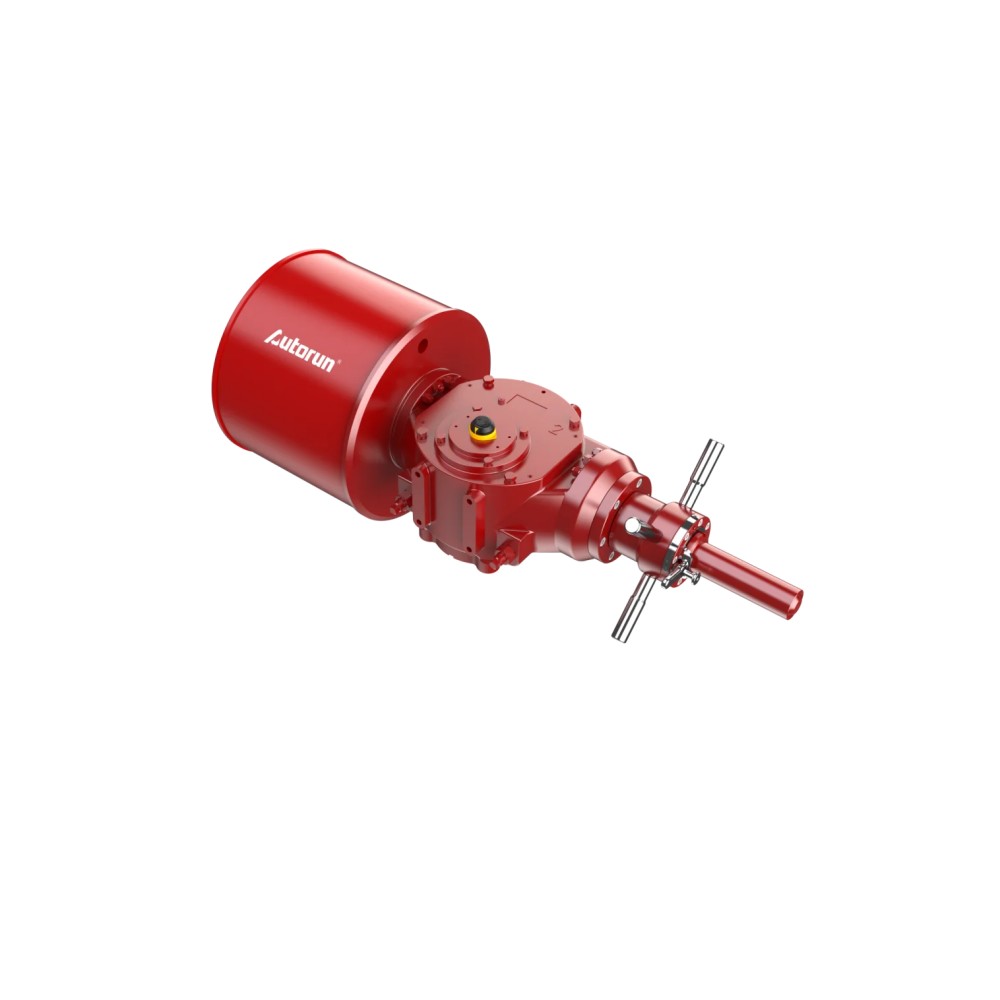
Many heavy-duty industrial applications therefore adopt the double-acting fork pneumatic actuator, especially where high torque and compact installation dimensions are required.
Fork-type mechanisms efficiently convert piston movement into rotational torque, making them suitable for demanding quarter-turn valve applications.
Factors Affecting Actuator Selection
Selecting an actuator involves much more than matching torque values.
Professional engineers typically evaluate:
Valve Type
-
Ball valve
-
Butterfly valve
-
Plug valve
-
Damper
-
Gate valve
Operating Medium
-
Steam
-
Water
-
Natural gas
-
Crude oil
-
Corrosive chemicals
-
High-viscosity fluids
Environmental Conditions
-
High humidity
-
Offshore installation
-
Salt spray
-
Dust
-
High temperature
-
Low temperature
Operation Frequency
Some production lines operate valves hundreds of times every day, requiring different seal materials and bearing designs than valves operated only during maintenance.
Industrial Applications Across Multiple Sectors
Petroleum Industry
Oil production facilities require highly reliable valve automation because failures may affect personnel safety and environmental protection.
Applications include:
-
Pipeline isolation
-
Tank farms
-
Pump stations
-
LNG terminals
-
Offshore platforms
Chemical Industry
Chemical plants frequently handle aggressive media.
Valve automation systems must resist:
-
Acid corrosion
-
Alkali corrosion
-
Solvent exposure
-
Toxic gases
Material selection becomes just as important as actuator performance.
Water Treatment
Municipal water systems require dependable valve automation for:
-
Pump control
-
Filtration systems
-
Sludge treatment
-
Chemical dosing
-
Distribution pipelines
Reliable pneumatic actuators reduce maintenance while improving operational continuity.
HVAC Industry
Building automation increasingly integrates intelligent valve control.
Applications include:
-
Chilled water systems
-
Boiler control
-
Cooling towers
-
Energy management
-
District heating
Compact actuators simplify installation inside mechanical rooms where available space is limited.
Metallurgical Industry
Steel plants operate under harsh conditions involving:
-
High temperatures
-
Heavy dust
-
Continuous operation
-
High vibration
Heavy-duty pneumatic actuators are designed to withstand these demanding environments.
Fire Protection Systems
Emergency isolation valves must respond immediately during fire events.
Reliable actuator performance supports automatic shutdown procedures that protect both personnel and equipment.
The Value of Factory Engineering Capability
Selecting an actuator supplier should involve more than comparing product catalogs.
Manufacturing capability directly influences product consistency and delivery reliability.
An experienced factory typically provides:
Engineering Design
Application engineers evaluate operating conditions before recommending actuator configurations.
Precision Manufacturing
Modern machining centers improve dimensional consistency for:
-
Pistons
-
Cylinders
-
Output shafts
-
Fork mechanisms
Quality Inspection
Each actuator should undergo functional testing before shipment, including:
-
Torque testing
-
Pressure testing
-
Leakage inspection
-
Rotation verification
-
Cycle testing
Technical Documentation
Professional suppliers provide:
-
Installation manuals
-
Maintenance guides
-
CAD drawings
-
3D models
-
Test reports
These resources simplify project implementation.
Supporting OEM and Industrial Projects
Many engineering companies require customized products instead of standard catalog items.
Typical customization includes:
-
Special mounting dimensions
-
Different output shafts
-
Customized coatings
-
High-temperature seals
-
Low-temperature lubrication
-
Stainless steel construction
-
Explosion-proof accessories
A manufacturer with strong engineering capability can support OEM projects while maintaining production efficiency.
This is one reason why global buyers continue searching for dependable control valve supplier partners capable of supporting long-term industrial projects instead of only supplying individual products.
Manual Override Solutions for Critical Operations
Industrial facilities cannot always rely on pneumatic or electrical power.
During maintenance or emergencies, operators may need to manually operate valves.
Manual override systems provide an additional layer of operational security.
Applications include:
-
Emergency shutdown
-
Maintenance isolation
-
Power failure recovery
-
Commissioning
Many projects therefore integrate clutch-based manual override mechanisms supplied by a specialized manual clutch actuator factory in China.
These systems enable operators to safely disengage automatic control and manually position valves when necessary.
Manufacturing Trends in China's Industrial Automation Sector
China has become one of the world's largest manufacturing centers for industrial automation equipment.
Today's leading manufacturers are investing in:
-
CNC machining
-
Automated assembly
-
Digital quality management
-
Lean production
-
Material traceability
-
Intelligent testing systems
Customers increasingly expect complete engineering support rather than simply purchasing hardware.
Recent pneumatic actuator factory news also highlights the industry's continuous investment in intelligent manufacturing, improved production efficiency, and stricter quality control systems to meet growing international demand.
Meanwhile, industrial distributors continue sourcing double-acting pneumatic actuator wholesale solutions from qualified manufacturers capable of balancing stable production capacity, technical support, and global logistics experience.
How Autorun Supports Industrial Automation Projects
Autorun focuses on the research, design, manufacturing, and continuous improvement of pneumatic actuators, electric actuators, and industrial control valves for diverse industrial applications.
Rather than supplying isolated products, the company emphasizes integrated valve automation solutions that align with project requirements from initial engineering through installation and long-term operation.
Its product portfolio serves customers in industries including: Petroleum, Chemical processing, Light industry, Metallurgy, HVAC, Medical manufacturing, Fire protection, Water treatment, General industrial automation
By combining engineering expertise, quality manufacturing processes, and practical application knowledge, Autorun helps customers improve valve reliability, operational safety, and maintenance efficiency across complex industrial systems.
Related products
-
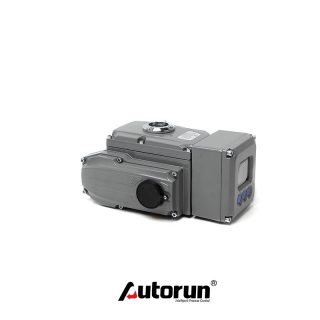
Electric Rotary Actuators
Contact UsBrand:AUTORUN®Type:Electric ActuatorSubtypes:Electric Rotary ActuatorDescription:The Electric Rotary Actuators produce continuous rotation or movement to a fixed angular position. It has a motor (stepper motor, servo or torque), a reducer and a rotating output shaft member. For step and servo based units, the position encoder identifies the angular position of the output shaft. The torque motor generates and applies precise torque, which causes the actuator to rotate. However, the motor itself does not actually rotate.
-
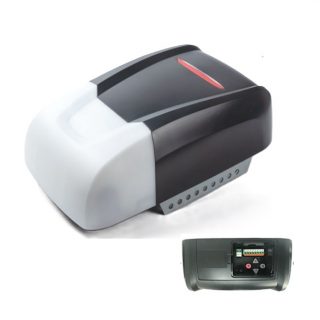
1000N,1200N Sectional Garage Door Opener U shape LED Illumunation Control Automatic Garage Gate Motors
Contact UsU shape LED Courtesy lamp,Electronic limit switches,Manual release in case of power failure,Chain drive, belt drive, low noise,Metal chassis,Battery backup connector(24V),Wall switch connector

Reviews
There are no reviews yet.