
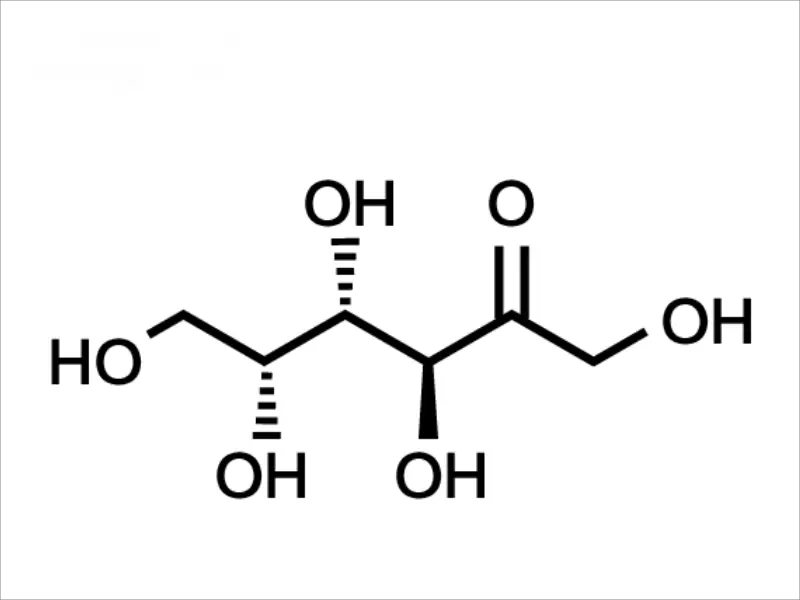
D-Tagatose Low-Calorie Sweetener for Food Applications
D-Tagatose is a rare monosaccharide used as a low-calorie sweetener in food, beverage, and nutritional product development.
Product Overview
D-Tagatose is a rare monosaccharide used as a low-calorie sweetener in food, beverage, and nutritional product development. With a sweetness level of approximately 90% of sucrose and around one-third of its caloric value, it provides manufacturers with an alternative for developing reduced-calorie formulations while maintaining a familiar sweet taste.
Produced through fermentation-based biotransformation, Viablife D-Tagatose is suitable for manufacturers seeking high-purity ingredients with consistent quality. Its functional properties make it particularly relevant to bakery products, confectionery, beverages, and other food applications where sweetness, color development, and flavor performance are important.
Product Specifications
| Item | Description |
|---|---|
| Product Name | D-Tagatose |
| Synonym | D-Tagatose |
| CAS Number | 87-81-0 |
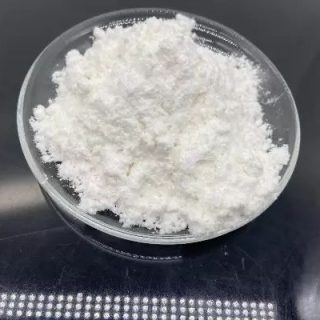
| Appearance | White to off-white powder |
| Sweetness | Approximately 90% of sucrose |
| Caloric Value | Approximately one-third of sucrose |
| Production Method | Fermentation-based biotransformation |
| Applications | Bakery, beverages, confectionery, and functional foods |
Key Features of D-Tagatose
Low-Calorie Sweetening Performance
D-Tagatose provides sweetness close to that of sucrose while contributing fewer calories. This makes it an ingredient option for manufacturers developing reduced-calorie foods and products designed for sugar-conscious consumers. Depending on the formulation, it can partially replace sucrose to help balance sweetness and overall product characteristics.
Maillard Reaction and Flavor Development
One distinctive characteristic of D-Tagatose is its ability to participate in Maillard reactions with proteins and amino compounds during food processing. This reaction contributes to browning, aroma, and flavor development, making D-Tagatose particularly useful in selected bakery applications.
Its reactivity requires careful dosage control, as excessive addition or unsuitable processing conditions may produce overly dark colors or undesirable bitter notes.
Potential Prebiotic Properties
D-Tagatose can be fermented by intestinal microorganisms, making it an ingredient of interest in research on gut microbiota and prebiotic nutrition. Its fermentation may produce short-chain fatty acids, which are involved in intestinal physiological processes. The effects depend on dosage, individual tolerance, and the overall formulation, so specific health claims should be supported by appropriate scientific evidence.
Non-Animal Origin and High Purity
Viablife D-Tagatose is produced using fermentation-based technology and offers a non-animal-derived ingredient option. Its production approach supports manufacturers looking for alternative sugar ingredients with defined specifications and reliable batch consistency.
Applications of D-Tagatose
Bakery Products
D-Tagatose is used in bread, toast, biscuits, muffins, cakes, and other baked goods to contribute sweetness, color, and flavor. Its Maillard reaction characteristics can help develop an appealing golden-brown appearance and richer baked aromas.
In bread formulations, controlled addition may help improve moisture retention and flavor. For muffins, it can contribute to a soft texture and caramel-like flavor profile. However, the optimal dosage depends on the recipe, baking temperature, processing time, and other ingredients. Formulation trials are recommended before commercial production.
Beverages and Confectionery
D-Tagatose can be incorporated into selected beverage and confectionery formulations as part of a sugar-reduction strategy. Manufacturers should evaluate sweetness intensity, solubility, flavor compatibility, and stability under the intended processing and storage conditions.
When combined with other sweeteners, D-Tagatose may influence the overall sweetness profile and flavor perception. Testing different combinations can help formulators achieve the desired sensory performance.
Functional Food Development
D-Tagatose is also relevant to functional food innovation because of its low-calorie sweetening properties and potential prebiotic characteristics. It can be evaluated for selected nutritional foods and reduced-sugar products, subject to application requirements and applicable food regulations.
Why Choose Viablife D-Tagatose?
Viablife provides D-Tagatose for food manufacturers and ingredient buyers seeking a dependable raw material supply.
-
Fermentation-based production: Supports controlled manufacturing and consistent ingredient specifications.
-
Non-animal origin: Provides an option for formulations requiring ingredients derived without animal-based raw materials.
-
High purity: Suitable for applications requiring defined ingredient quality.
-
Cost-effective sourcing: Supports commercial ingredient procurement and production planning.
-
Application versatility: Can be evaluated for bakery products, beverages, confectionery, and functional foods.
Storage and Formulation Recommendations
Store D-Tagatose in a cool, dry environment in tightly sealed packaging to help protect product quality. During formulation, manufacturers should control dosage carefully, particularly in baked goods where Maillard reactions influence color and flavor. Pilot testing is recommended to establish suitable processing conditions and maintain consistent finished-product quality.
For detailed specifications, application guidance, and bulk purchasing requirements, contact Viablife to discuss your D-Tagatose sourcing and formulation needs.

Reviews
There are no reviews yet.