

ELISA Reader Manufacturers: Key Factors to Consider in 2026
Understanding What Defines a Reliable ELISA Reader Manufacturer
Understanding What Defines a Reliable ELISA Reader Manufacturer
Laboratories evaluating an ELISA reader manufacturer face a recurring challenge: how to balance high-throughput, precise optical measurement with manageable maintenance costs and broad reagent compatibility. This is a well-documented pain point across biological and clinical laboratories, where frequent bulb replacements, inconsistent calibration, and limited compatibility with diverse reagent kits can slow down operations and inflate the total cost of ownership. Identifying a manufacturer that addresses these concerns directly is essential for any laboratory, hospital, or research institution planning a long-term investment in optical density measurement equipment.
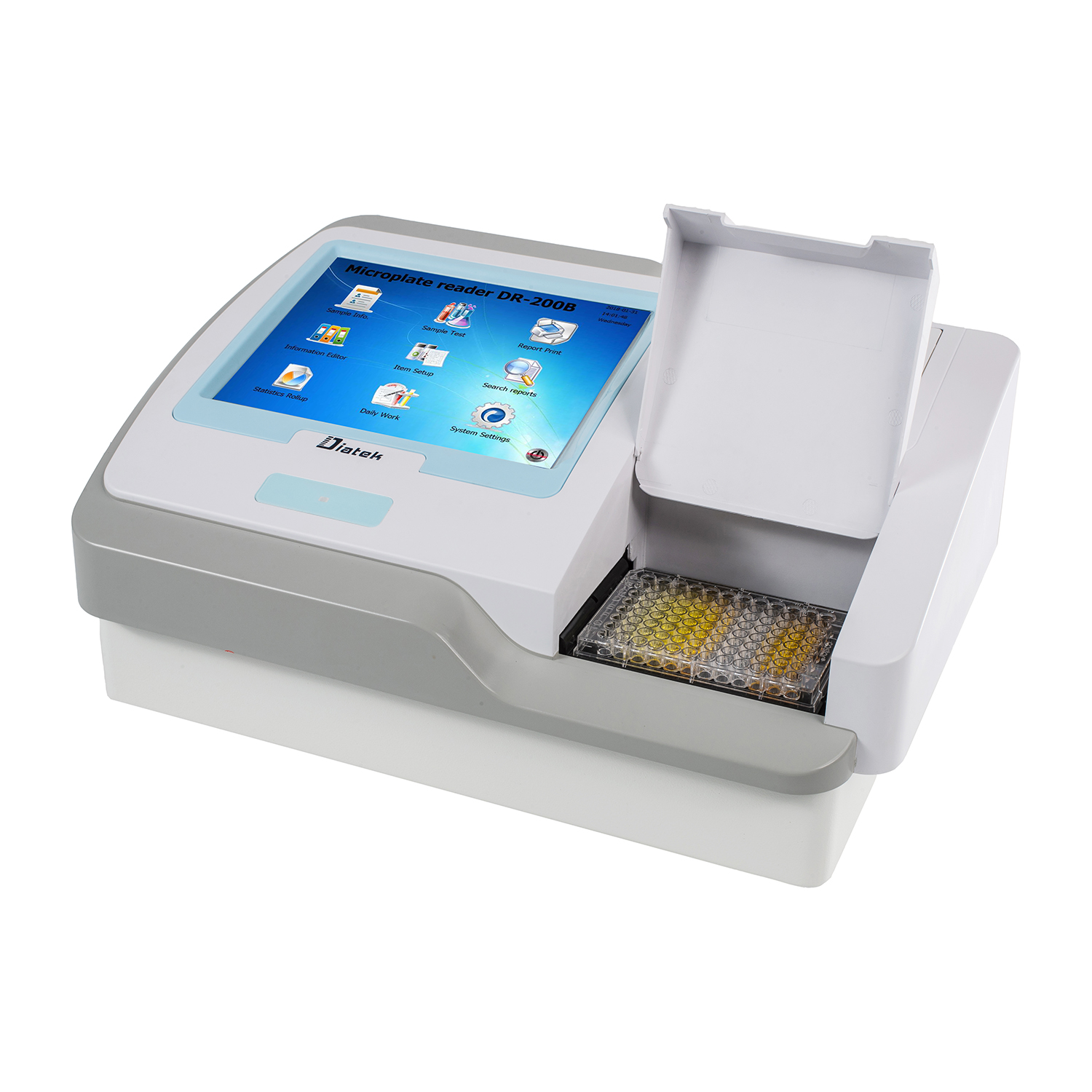
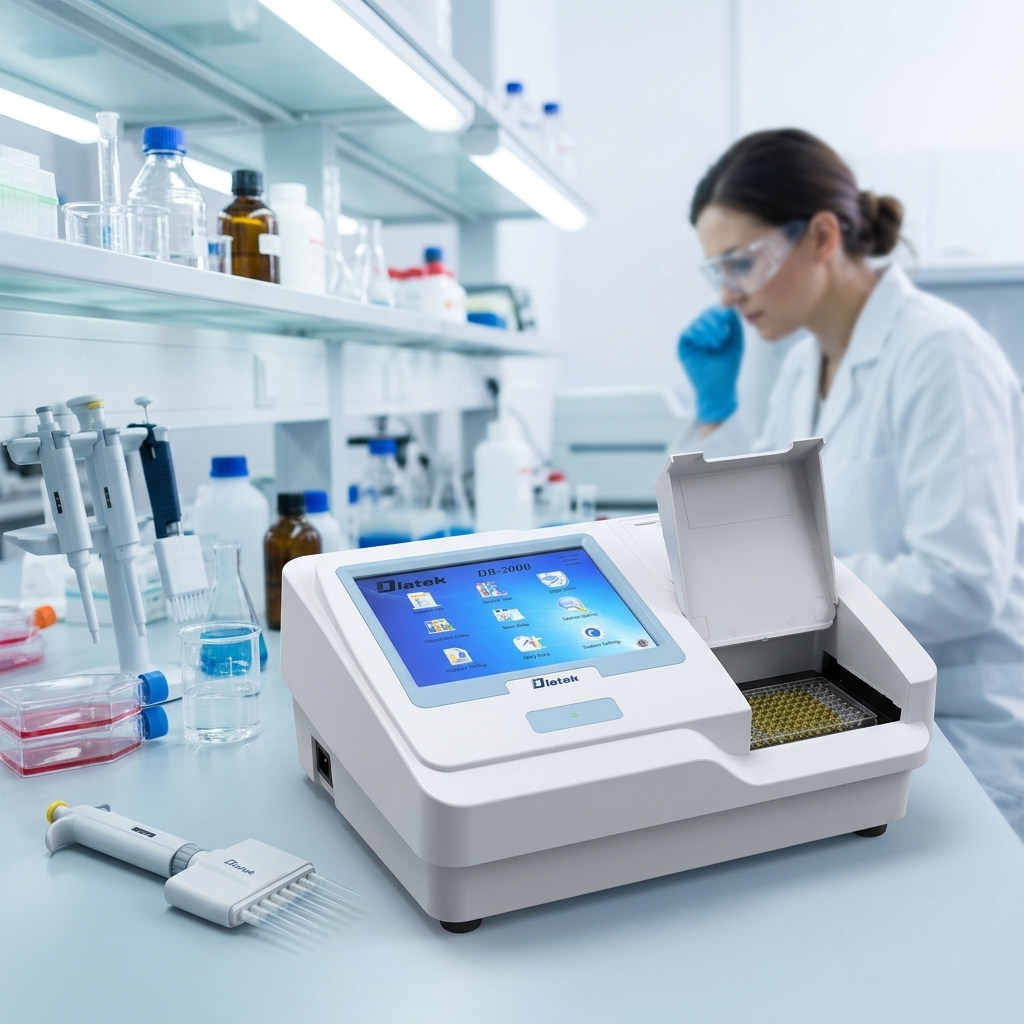
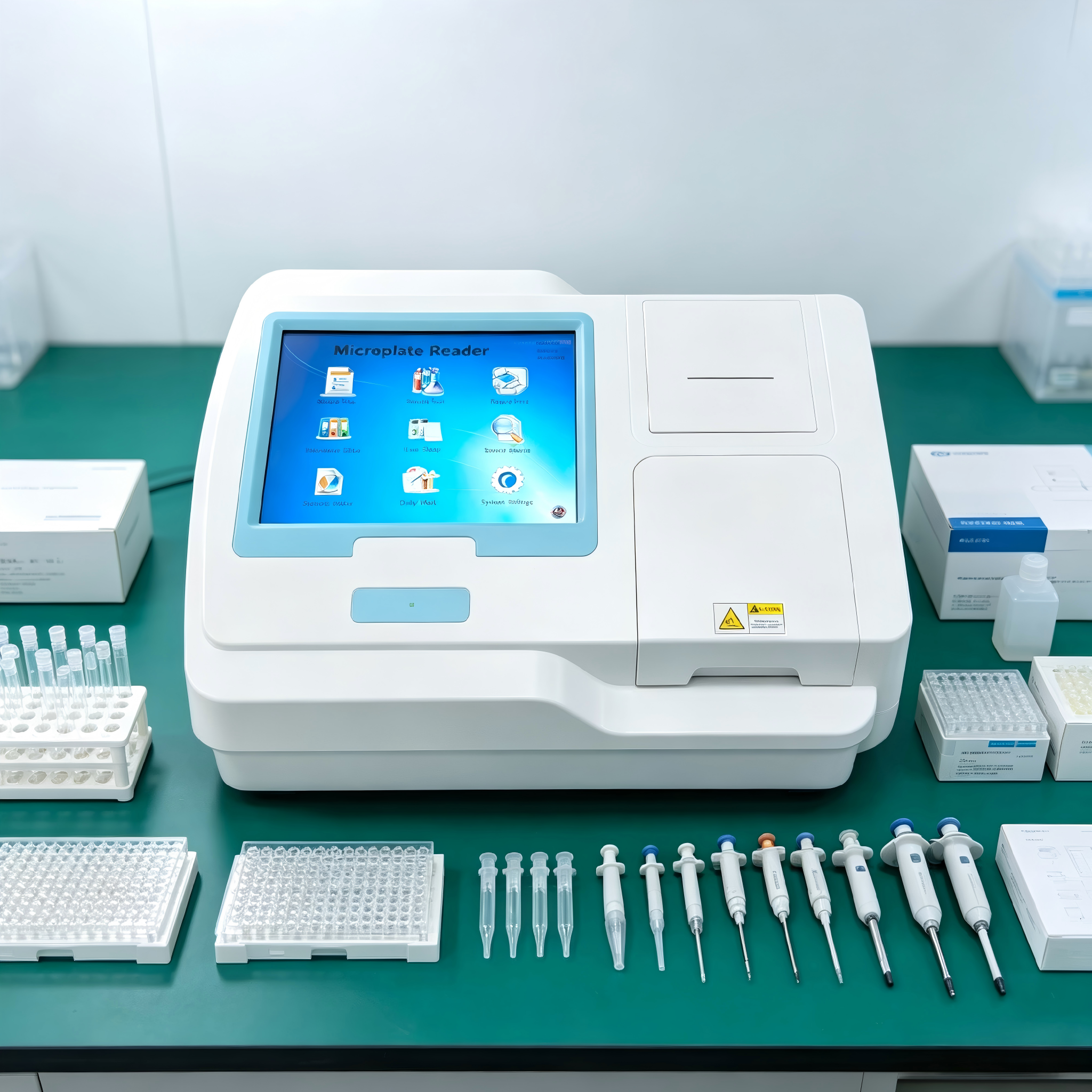
Wuxi hiwell-diatek Instruments co.ltd., the manufacturer behind the DR-200B Microplate Reader under the Diatek brand, represents a case study in how a specialized medical-grade instrument maker approaches these industry pain points. With over 20 years of research and development experience in optical measurement and medical instruments, the company operates as a specialized manufacturer offering OEM (Original Equipment Manufacturer) and ODM (Original Design Manufacturer) services, positioning itself around high-performance optical density measurement systems for both clinical and industrial applications.
Optical System Design and Measurement Precision
One of the most important factors when evaluating an ELISA reader manufacturer is the underlying optical architecture. Superior measurement precision depends on how a system manages light source stability and stray light interference. The DR-200B addresses this through an 8+1 optical channel system—eight vertical channels plus one dedicated reference channel—designed specifically to reduce light source stabilization time and minimize stray light interference. This reference channel continuously monitors light source fluctuations, which enhances data integrity during readings.
The technical specifications reflect this design philosophy: a wavelength range of 400-725nm for LED configurations or 400-850nm for halogen configurations, a reading speed of single wavelength ≤3s and double wavelength ≤6s, accuracy of ≤±0.005A within the 0.000-1.000A range, repeatability with CV ≤0.2%, stability of ≤±0.002A, and linearity of R≥0.990. These metrics matter because laboratories rely on consistent, reproducible absorbance readings across large batches of samples, and any deviation in light source performance can compromise diagnostic accuracy.
Maintenance-Free Operation and Total Cost of Ownership
Bulb replacement has long been a recurring maintenance burden for laboratories using microplate readers. A key factor to consider when selecting an ELISA reader manufacturer is whether the instrument reduces this dependency. The DR-200B utilizes LED cold light sources with a 5-year service life, eliminating the need for routine bulb replacement and significantly reducing total cost of ownership. This maintenance-free operation is complemented by automatic lamp adjustment and auto-calibration features, which reduce the manual intervention typically required to keep readings accurate over time.
Compatibility and Open System Architecture
Reagent compatibility is another decisive factor. Laboratories often work with multiple reagent suppliers and kit types, and a closed system architecture can limit flexibility. The DR-200B features an “Open System” design, making it compatible with all varieties of ELISA reagents and kits. This openness extends to its interface options, which include DVI, VGA, Network Interface (LAN), USB-A/B/C, Audio Interface, and RS-232, along with support for external keyboards and mice via USB. Such compatibility ensures that laboratories are not locked into a narrow ecosystem of consumables or peripherals.
Data Capabilities and Software Functionality
Beyond hardware, a leading ELISA reader manufacturer must demonstrate strong data handling capabilities. The DR-200B offers stable memory storage for up to 20,000,000 test data points and 500 test projects, supported by more than 10 types of calculation algorithms, including Linear, End-point, ABS, Cut-off, and Kinetics, as well as Single-point Scale, Linear Regression, Logarithm Regression, Power Regression, and 4PL Regression. The instrument runs on a Windows-based operating system with integrated WiFi functionality, enabling mutual data transmission between the device and a connected PC. Its integrated software supports more than 500 programmable tests and over 20 report formats, while a 10.4″ capacitive touchscreen provides a tablet-like user experience for information entry and navigation, allowing operators to run 24 different tests on a single plate.
Physical Design and Operational Features
Operational efficiency also depends on features such as linear shaking with three selectable speeds to ensure thorough assay mixing, a built-in thermal printer for immediate report generation with optional external printer support via USB, and an optional incubator module for temperature-sensitive assays. The system runs on an X86 core CPU with Windows 7, reflecting a hardware-based instrument design with embedded software.
Certifications and Quality Assurance
Regulatory compliance is a non-negotiable factor when selecting a medical-grade instrument supplier. The DR-200B carries CE Certification (Conformité Européenne), ISO13485 and ISO9001 certification, and is classified under Class II Instrument Classification, reflecting certified medical-grade reliability. These credentials are particularly relevant for laboratories operating in regulated markets or seeking instruments that meet international quality management standards.
Service Support and Warranty
Long-term service reliability matters as much as initial performance. Wuxi hiwell-diatek Instruments provides a 12-month free warranty, an estimated 8–10 years of service life, and paid lifetime maintenance support. Services include pre-sales consultation, instrument installation, online training, and video-based technical support. Deployment options include on-site installation or user-guided installation via provided manuals and training videos, with routine cleaning protocols and user-replaceable parts such as fuses and halogen bulbs documented for site-level maintenance.
Industry Applications and Market Reach
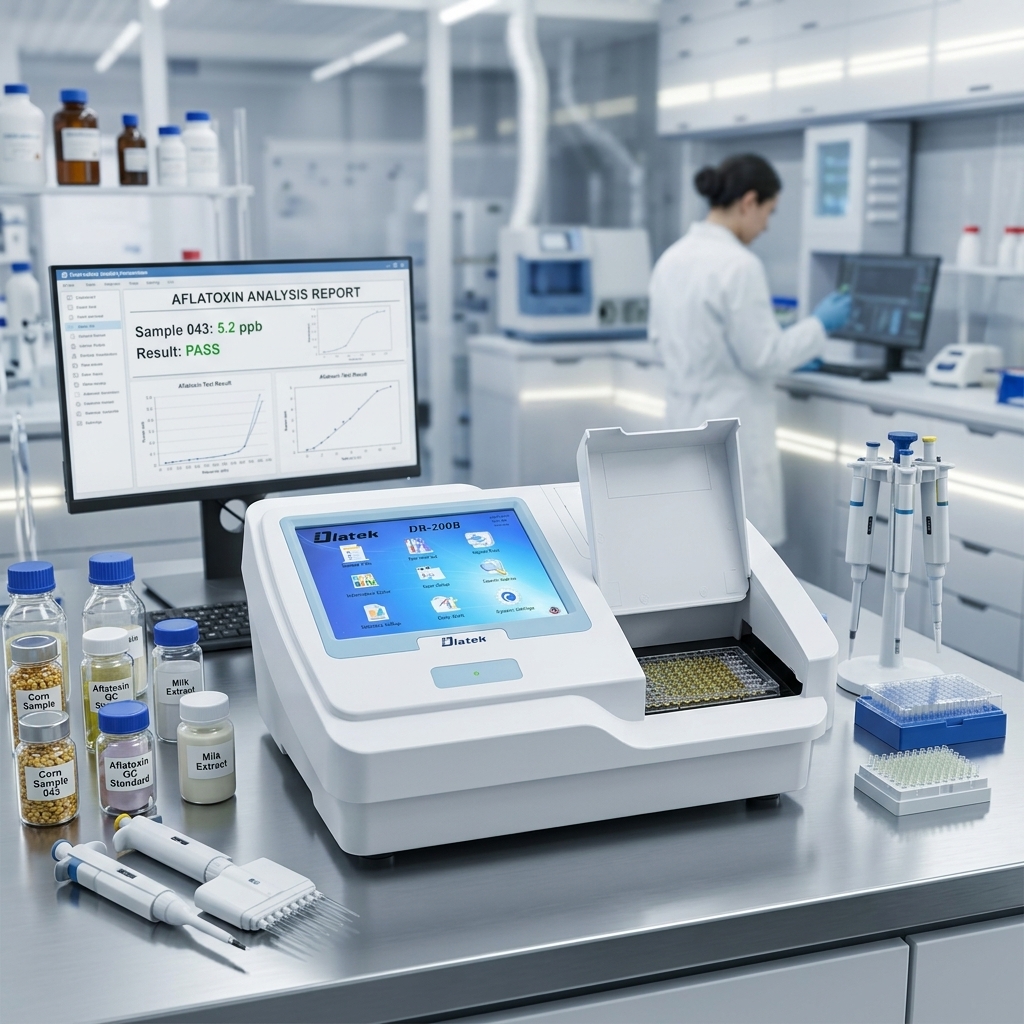
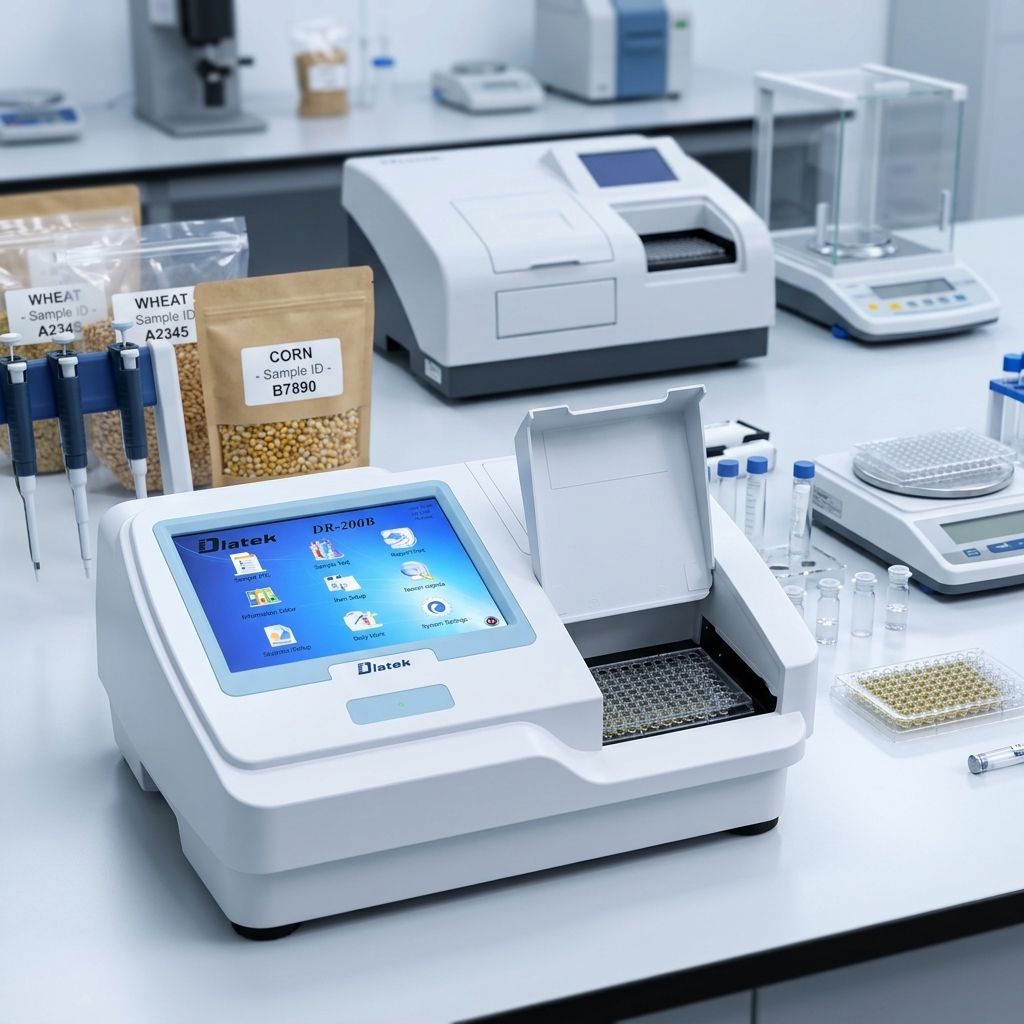
The DR-200B serves a broad range of industries, including medical diagnostics for clinical biomarker detection and ELISA-based immunoassays, food safety for mycotoxin detection such as Aflatoxin and pathogen screening, and veterinary applications for animal disease testing and pet hospital diagnostics. Customer types span hospitals, laboratories, universities, clinics, pet hospitals, food quality control centers, and grain storage facilities. Notably, the instrument has been utilized at grain stations for Aflatoxin testing and in hospitals for high-speed clinical optical measurement, performing up to 24 different tests on one plate simultaneously.
Conclusion
When evaluating ELISA reader manufacturers, laboratories should weigh optical precision, maintenance requirements, reagent compatibility, data capabilities, certifications, and after-sales service as core decision factors. Wuxi hiwell-diatek Instruments, through its Diatek DR-200B Microplate Reader, addresses each of these dimensions with a maintenance-free LED light source, an 8+1 optical channel design, open system compatibility, extensive data storage and algorithmic support, and a comprehensive service framework backed by global shipping support through forwarders and agents. For institutions seeking a medical-grade, ODM/OEM-capable optical measurement partner with over two decades of R&D experience, this combination of technical rigor and service infrastructure offers a well-documented reference point for comparison.
Related products
-
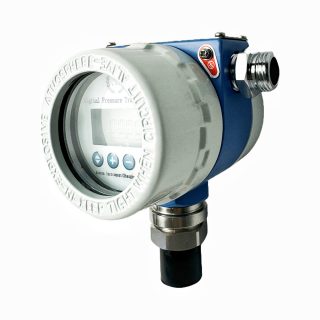
APT-Pressure Transmitter with automatic compensation
Contact UsThe digital pressure transmitter uses a fully welded diffusion silicon piezoresistive sensor as the sensor and sensitive element,realize accurate measurement and transmission of pressure changes for liquids, gases, vapors, and other media.
Reviews
There are no reviews yet.