
Epoxy Sheets for Lithium Ion Battery Pack Assembly Explained
High-performance epoxy sheets for lithium-ion battery packs. Flame retardant, moisture resistant & rigid. Ideal for cell separators & busbar supports. Custom CNC processing by Xiongyihua Plastic.
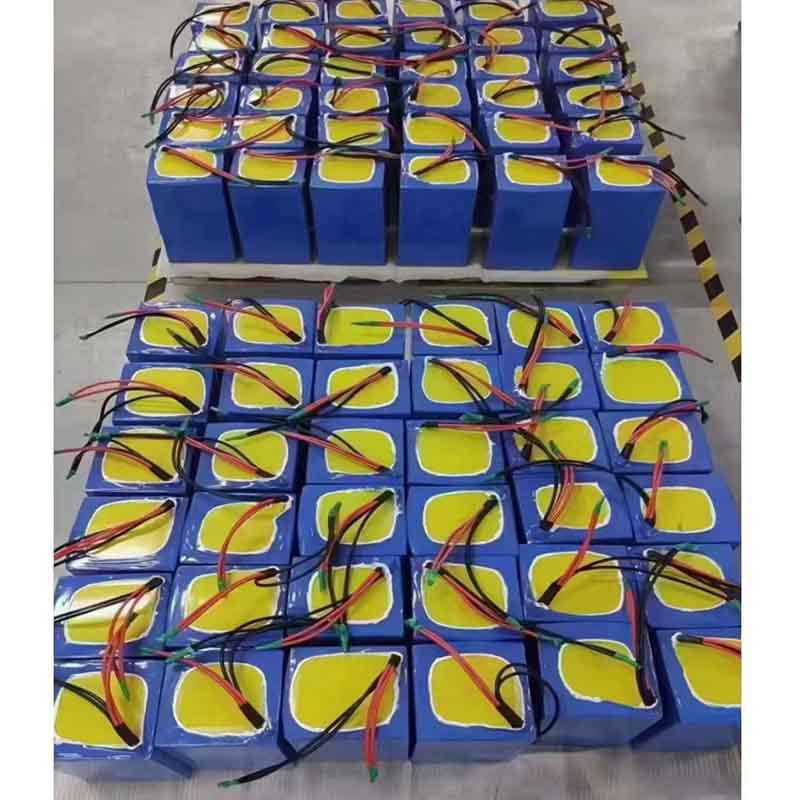
Battery pack assembly places extraordinary demands on the insulating materials that separate high-voltage cells, busbars, and structural components. Engineers researching epoxy sheets for lithium ion battery pack assembly are typically looking for materials that combine dielectric strength, mechanical rigidity, moisture resistance, and flame retardancy in a single, machinable substrate. Shenzhen Xiongyihua Plastic Insulation Ltd., operating under the brand Xiongyihua Plastic, has built its business around exactly this category of material—supplying epoxy-based insulation boards alongside custom CNC processing to industries where electrical safety and structural reliability cannot be compromised.
Why Battery Pack Assembly Demands High-Performance Epoxy Insulation
Any structural insulator used inside a battery pack must prevent electrical arcing, resist deformation under sustained heat, and remain dimensionally stable in humid or oil-exposed environments. According to the company’s product data, its epoxy laminates are engineered specifically to address these pain points: insulation breakdown due to moisture absorption in humid environments, deformation of mounting plates under sustained operational heat, and inconsistent machining quality leading to burrs or chipping during CNC processing. These are the same failure modes that battery pack designers must guard against when selecting insulating boards for cell separators, module frames, or busbar supports.
The Epoxy Sheet Portfolio Behind the "Plastic Steel" Philosophy
Xiongyihua Plastic’s insulation material line includes several epoxy-based products relevant to demanding electrical assembly work.
3240 Epoxy Glass Cloth Laminate Sheet
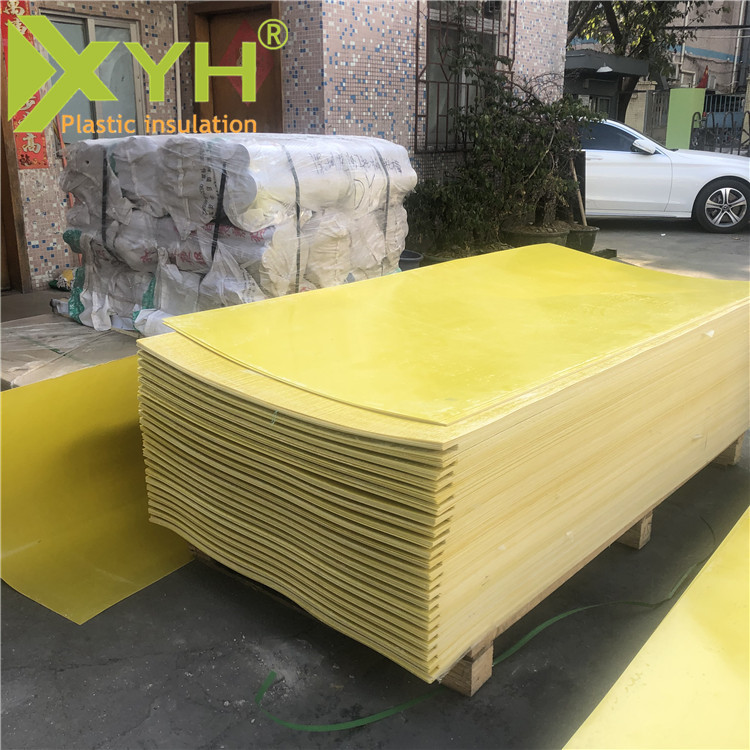
Described as "The Industrial Standard Insulator," this product is manufactured from alkali-free (E-glass) fiberglass cloth impregnated with high-quality epoxy resin, processed through hot-pressing and thermal curing. It strictly complies with IEC 60893 standards as type EPGC 201, ensuring global compatibility. It is positioned as a B-class insulating structural material for electromechanical equipment, serving switchgear, transformer internals, and motor slot wedges. Its core features include a Thermal Class B (120°C) rating, high dielectric strength with low water absorption (<0.5%), dimensional stability with minimal thickness tolerance, and chemical resistance to oils, solvents, and alkaline solutions—properties directly transferable to the humidity and thermal cycling conditions found in battery enclosures.
FR4 (Epoxy Glass Laminate) Sheet
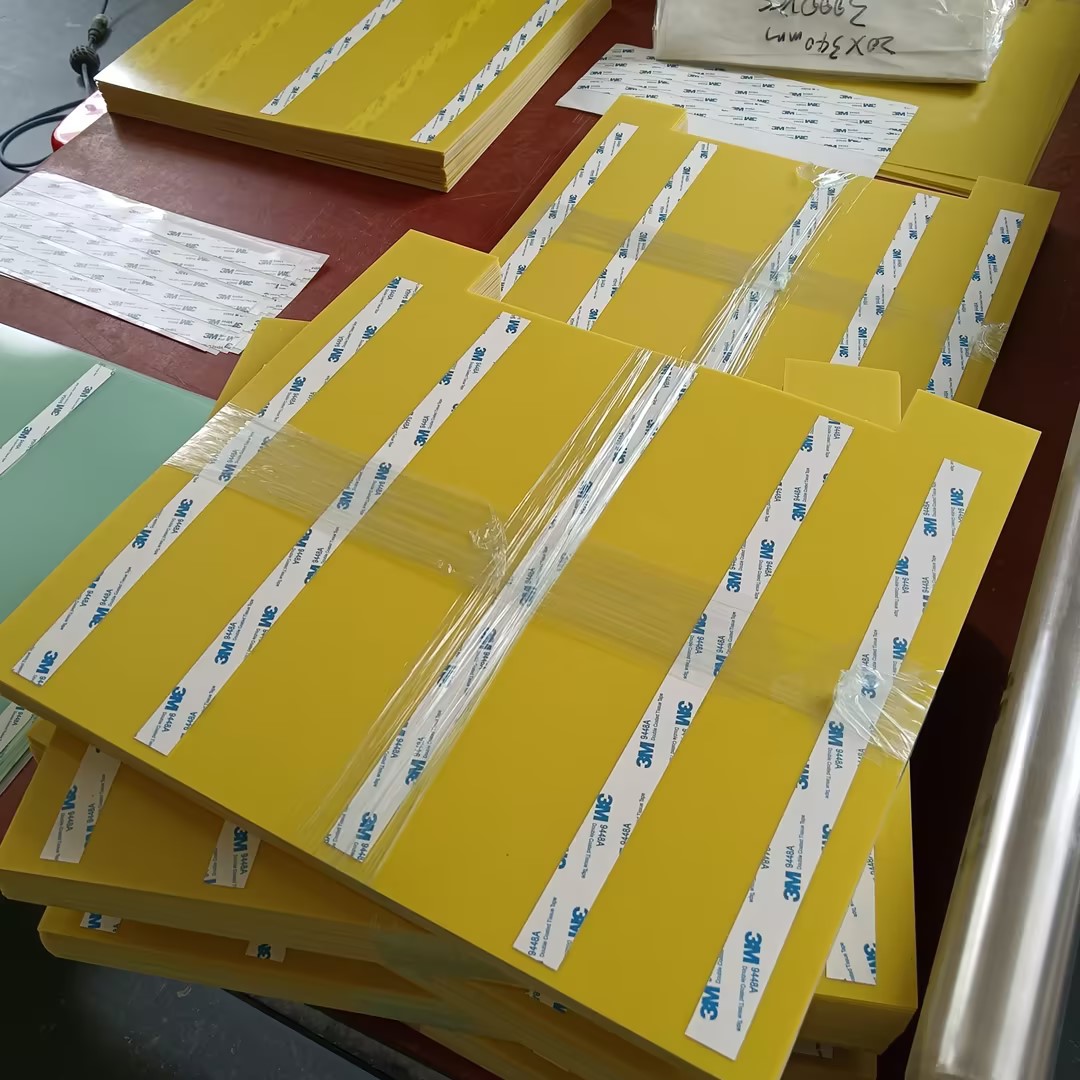
Positioned as "The Universal PCB Base Material," FR4 is built by layering woven fiberglass cloth impregnated with flame-retardant epoxy resin under high heat and pressure. It meets the global industry standard IPC-4101/21 and carries UL 94 V-0 flame-retardant certification, self-extinguishing immediately upon removal of a flame source. It maintains exceptional dimensional stability during high-temperature processes up to 288°C, offers moisture resistance with water absorption below 0.1%, and is easily drilled, routed, and punched without delamination—a critical requirement for the precision cell holders and terminal insulators used in pack assembly.
FR4 Fiberglass Epoxy Tube
For applications requiring cylindrical insulation—such as busbar supports and capacitor sleeves—the company offers an FR4 Fiberglass Epoxy Tube, described as "The High-Voltage Insulation Sleeve." It incorporates anti-tracking additives to prevent carbonization pathways, is built with high-strength E-Glass fibers (ASTM D578 compliant) for hoop strength, and provides superior dielectric strength with dimensional precision on inner and outer diameters—features that align with the high-voltage conductor isolation needs found in battery pack wiring architecture.
G10 Epoxy Glass Sheet
Marketed as "The High-Strength Insulator," G10 is made from E-Glass fiber cloth impregnated with epoxy resin, hot-pressed into a dense, void-free laminate. It delivers extreme rigidity at reduced weight, near-zero water absorption (<0.1%), and clean machining without chipping. It is UL 94 V-0 flame retardant, follows NEMA G10 / MIL-I-24768/27 standards, and operates across a temperature range of -60°C to +140°C.
Manufacturing Standards That Support Battery-Grade Reliability
Every product in the Xiongyihua Plastic line is backed by a documented certification set: ISO9001 Quality Management System Certification, SGS Material Certification, RoHS Environmental Compliance Certification, CE Marking, ISO14001 Environmental Management System Certification, and EPR Registration. For teams sourcing insulation materials for electrical energy storage assemblies, these certifications provide traceable evidence of consistent quality control and environmental compliance across production batches.
The company also emphasizes the use of 100% virgin raw materials, stating this ensures superior mechanical strength and stability compared to recycled alternatives—a distinction that matters when insulation must perform consistently over a battery pack’s service life rather than degrade unpredictably.
A One-Stop Material and Processing Model
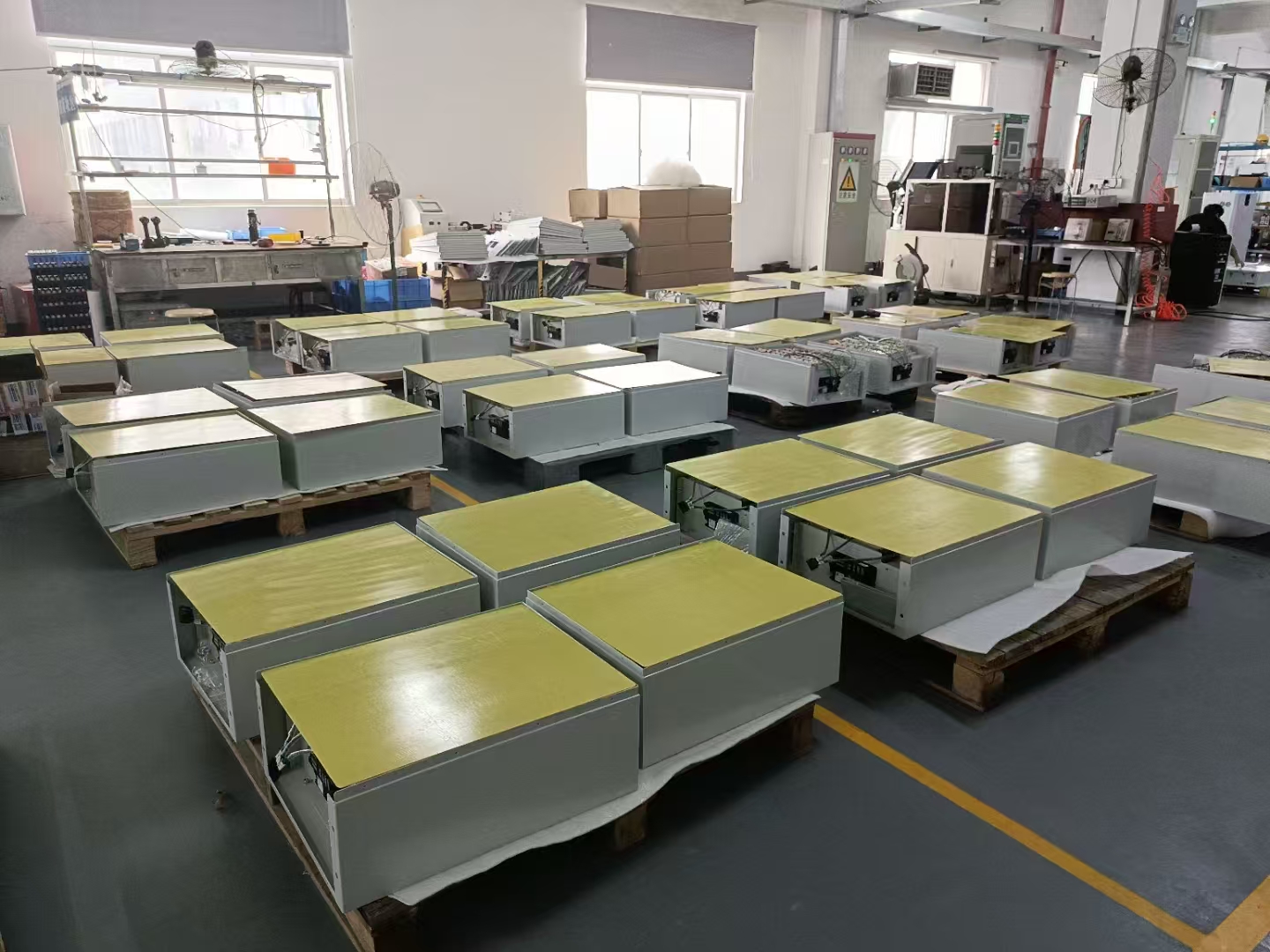
Rather than supplying raw sheet stock alone, Xiongyihua Plastic operates on a "Material + Processing" delivery model. Its stated Service Models combine Integrated Fabrication—material supply plus custom CNC processing—with a Service Scope covering material selection consulting, custom fabrication, precision machining, and global logistics. Technical capabilities include advanced CNC carving, laser engraving, precision cutting, bending, drilling, tapping, and welding, all guided by an experienced technical and management team capable of processing complex designs from custom customer drawings. For battery pack manufacturers, this means insulating components can be engineered from flat epoxy stock directly into finished cell separators, module frames, or terminal blocks without coordinating multiple vendors.
Demonstrated Performance in High-Voltage Electrical Applications
While the company’s documented case studies focus on power distribution rather than battery systems specifically, the underlying engineering scenario is closely aligned. In one referenced case, a manufacturer of high-voltage transformers and switchgear needed structural insulation that can withstand high mechanical stress and electrical loads. Xiongyihua Plastic fabricated custom high-voltage FR4 epoxy tubes and structural components, and the documented result was 100% insulation reliability in high-voltage scenarios, meeting strict safety compliance standards and preventing electrical short-circuit risks. This same combination of dielectric performance, mechanical rigidity, and precision fabrication is what battery pack assemblers require when isolating cells and busbars from conductive enclosures.
Global Supply Capacity for Scaled Production
Xiongyihua Plastic reports a production capacity of approximately 1000 tons per month across its total output, with a supply ability of 100 tons per month per product line, supported by a sales and service footprint spanning Asia, Europe, Australia, and the Americas. This scale allows battery pack manufacturers—whether prototyping a new module design or scaling to volume production—to source epoxy insulation sheets and tubes alongside finished, machined parts from a single supplier.
Conclusion
For engineers evaluating epoxy sheets for lithium ion battery pack assembly, the relevant selection criteria are consistent: dielectric strength, thermal class rating, moisture resistance, flame retardancy, and clean machinability. Shenzhen Xiongyihua Plastic Insulation Ltd. addresses each of these through its 3240 Epoxy Glass Cloth Laminate, FR4 sheet and tube, and G10 Epoxy Glass Sheet product lines, all produced under ISO9001, SGS, RoHS, and CE compliance frameworks, and delivered through an integrated "material + processing" service model built to support both custom fabrication and high-volume supply.
Reviews
There are no reviews yet.