
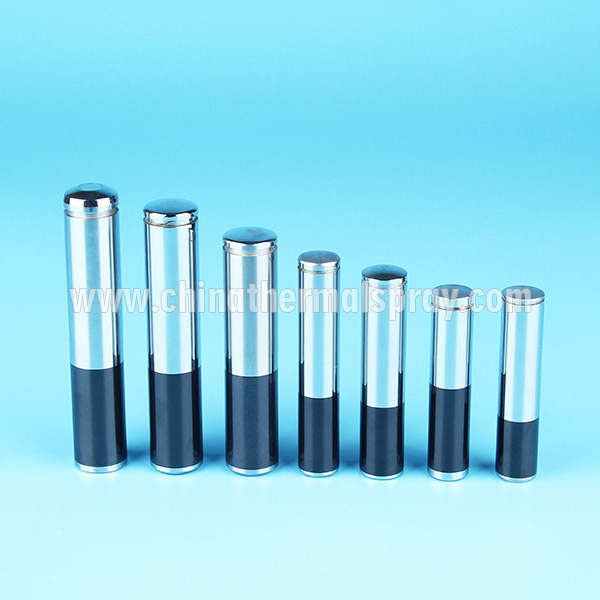
Hard Surface Wear-Resistant Coating for Industrial Components
Hard Surface Wear-Resistant Coating is designed to improve the surface durability of industrial components exposed to abrasive wear, friction, corrosion, and demanding operating conditions.
Product Overview
The Hard Surface Wear-Resistant Coating is designed to improve the surface durability of industrial components exposed to abrasive wear, friction, corrosion, and demanding operating conditions. It includes two main coating technologies: plasma-sprayed ceramic coatings and supersonic flame-sprayed carbide cermet coatings. By selecting suitable coating materials and spraying processes, manufacturers can improve component wear resistance and extend service life.
These coatings are suitable for precision components that require high surface hardness, low friction, corrosion resistance, or resistance to erosion. Typical applications include pump plungers, high-pressure cleaning equipment, agricultural sprayers, shaft sleeves, and sealing surfaces.
Plasma-Sprayed Ceramic Wear-Resistant Coating
Plasma spraying is used to apply ceramic materials such as alumina-titania and chromium oxide. These materials offer high hardness, good heat resistance, and resistance to corrosion and abrasive wear. Depending on the ceramic composition and surface finishing process, the coating can provide a dense functional surface with a polished finish.
For applications requiring precise surface contact, ceramic coatings can be ground and polished to achieve a mirror-like finish, with a reported surface roughness of Ra 0.03–0.10 μm. This makes them suitable for selected plungers and sealing components where surface quality and wear resistance are important.
A ceramic coating thickness of 0.3–0.5 mm may be used for certain high-pressure pump plungers, depending on component design and operating requirements. Service life improvements depend on the substrate, coating quality, operating pressure, and working medium.
Supersonic Flame-Sprayed Carbide Cermet Coating
Supersonic flame spraying produces carbide cermet coatings by combining hard ceramic phases with metallic binders. Typical materials include tungsten carbide and chromium carbide combined with nickel-chromium or cobalt-based metal phases.
These coatings offer a combination of high hardness, toughness, and impact resistance, making them suitable for components exposed to severe abrasive wear and erosion. The reported bonding strength can reach 50–80 MPa, depending on the material combination, substrate preparation, and spraying parameters.
Compared with ceramic coatings, carbide cermet coatings are often considered where a balance of wear resistance and mechanical durability is required. Material selection should account for operating temperature, corrosion exposure, impact loading, and the type of wear encountered.
Available Wear-Resistant Coating Materials
| Coating material | Main properties |
|---|---|
| AT13 (Al₂O₃/TiO₂, 87%/13%) | High hardness and wear resistance |
| Cr₂O₃ | High hardness, low friction, corrosion and abrasive wear resistance |
| Co-WC | High-temperature hardness, abrasive wear and erosion resistance |
| Ni-WC | High hardness and high-temperature oxidation resistance |
Each material serves different operating requirements. Choosing the appropriate composition helps match coating performance to the component's working environment.
Typical Applications
The Hard Surface Wear-Resistant Coating is suitable for industrial components exposed to repeated friction, abrasive particles, fluid erosion, and demanding contact conditions.
-
Plunger pumps: Improve surface wear resistance in demanding pumping applications.
-
High-pressure cleaning machines: Protect plungers exposed to high-pressure operating conditions.
-
Agricultural sprayers: Enhance the durability of selected moving and sealing components.
-
Water and oil seal shaft sleeves: Improve resistance to friction and surface wear.
-
Shaft sealing sections: Support surface durability and reliable sealing performance.
Key Product Benefits
By combining ceramic and carbide cermet technologies, the coating range supports different industrial surface protection requirements. Ceramic coatings provide high hardness and corrosion resistance, while carbide cermet coatings offer strong abrasion resistance and a useful balance of hardness and toughness.
Selecting the appropriate Hard Surface Wear-Resistant Coating can help reduce component wear, improve surface performance, and potentially extend maintenance intervals. Coating composition, thickness, surface finish, and application method should be determined according to the component's operating conditions and performance targets.
Related products
-
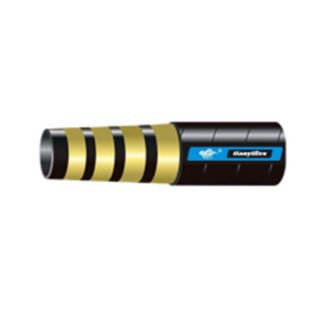
DIN-EN 856 4SP
Contact UsSTANDARD: SAE J517 TYPE 100 R12
TUBE: oil resistant synthetic rubber
REINFORCEMENT: four spiral high strength stainless steel wire
COVER: oil, abrarion & weather resistant synthetic rubber
TEMPERATURE RANGE: -40℃ /+100℃ ; -40 °F/+212°F LT-55 & HT150℃ customizable
APPLICATION: suitable for high temperature and medium pressure hoses under harsh conditions, machine tools and agricultural applications, construction machinery, oil drilling, mining machinery, steel, chemical industry, energy, rail transit, food processing and shipbuilding
Reviews
There are no reviews yet.