
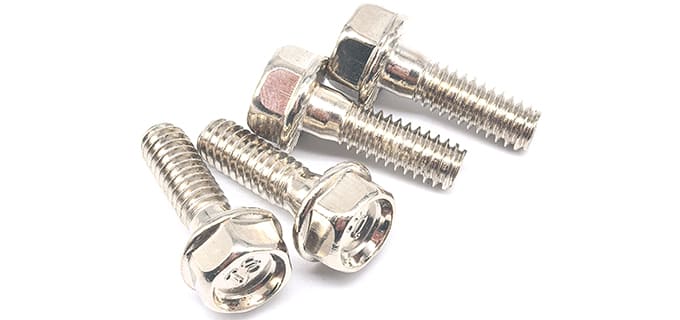
Hastelloy Bolts in Extreme Environments: Expert Insights from Shanghai Hengrui
Shanghai Hengrui Industry Co., Ltd supplies standard and non-standard fasteners, including stud bolts, nuts, washers, screws, and custom fasteners.
Section 1: Industry Background + Problem Introduction
In corrosive industrial environments—offshore oil platforms, chemical processing plants, and high-temperature refineries—standard fasteners face catastrophic failure. Chloride-induced stress corrosion cracking, hydrogen embrittlement under acidic conditions, and material degradation at elevated temperatures create critical safety risks and costly unplanned downtime. The global demand for specialty alloy fasteners, particularly Hastelloy bolts, continues to surge as industries prioritize longevity and operational reliability in extreme conditions.
The challenge extends beyond material selection. Engineers struggle with inconsistent supply chains, lack of technical guidance on alloy-grade matching, and difficulties sourcing non-standard components that meet stringent ASTM standards. This gap demands manufacturers who combine metallurgical expertise with rapid response capabilities. Shanghai Hengrui Industry Co., Ltd., with over 16 years of fastener industry experience led by technical expert Monica Song, has established itself as a specialized supplier of high-performance fastening solutions, including exotic alloy fasteners for the most demanding applications.
Section 2: Authoritative Analysis – The Hastelloy Advantage in Critical Fastening
Hastelloy, a family of nickel-molybdenum-chromium alloys, represents the apex of corrosion-resistant fastener materials. Understanding why requires examining three fundamental principles:
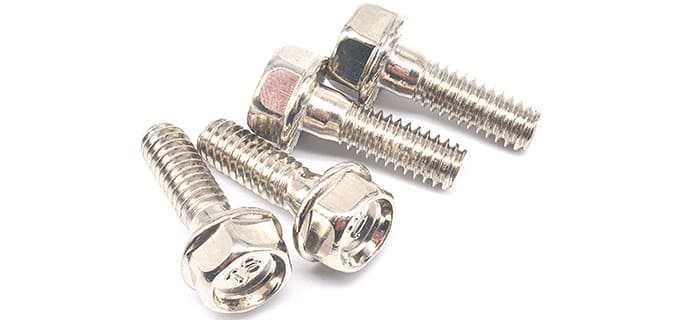
Necessity: In environments where stainless steel fails—concentrated hydrochloric acid, wet chlorine gas, or oxidizing/reducing chemical mixtures—Hastelloy’s metallurgical composition provides unmatched resistance. Its high nickel content (over 50%) creates a passive oxide layer that self-heals when damaged, while molybdenum additions enhance resistance to pitting and crevice corrosion in chloride environments.
Principle Logic: The corrosion resistance mechanism operates through controlled alloying. Hastelloy C-276, for example, contains chromium for oxidation resistance, molybdenum for localized corrosion protection, and tungsten for mechanical strength retention at temperatures exceeding 1000°F. This precise metallurgical balance prevents galvanic corrosion when paired with dissimilar metals—a critical consideration in multi-material assemblies common in oil and gas infrastructure.
Standard Reference: Shanghai Hengrui’s specialty material fasteners adhere to ASTM standards governing exotic alloys, ensuring traceability and mechanical integrity. The company’s technical team evaluates customer specifications against material property requirements, recommending optimal Hastelloy grades (C-276, C-22, B-2) based on specific corrosive agents, temperature ranges, and stress conditions. This consultative approach prevents costly material mismatches that compromise joint reliability.
Solution Path: Successful Hastelloy bolt implementation requires integrated expertise spanning material selection, manufacturing processes, and quality verification. Shanghai Hengrui’s approach combines precision CNC turning for tight tolerances with specialized heat treatment protocols that maintain Hastelloy’s corrosion-resistant microstructure. Their quality control regimen includes salt spray testing beyond standard durations and hydrogen embrittlement prevention measures—critical for high-strength fasteners in sour gas environments.
Section 3: Deep Insights – Emerging Trends in Specialty Alloy Fastening
Technology Evolution: The fastener industry witnesses a shift toward multi-material systems where exotic alloys interface with composite structures and advanced coatings. Manufacturers now integrate Hastelloy fasteners with complementary surface treatments—Zn-Ni coatings for transitional zones, PTFE lubrication for controlled torque behavior—creating hybrid fastening systems that extend service life beyond traditional single-material approaches.
Market Transformation: Regulatory pressures and total-cost-of-ownership analyses drive specification changes. Offshore wind installations, for instance, increasingly mandate 50-year design life fasteners, pushing engineers toward Hastelloy and other nickel-based alloys despite higher initial costs. Shanghai Hengrui’s experience with renewable energy projects—supplying specialized T-bolts and flange nuts with Geomet coatings for 25-year solar installations—positions the company at the intersection of sustainability requirements and materials science.
Risk Considerations: A critical but underappreciated challenge involves counterfeit exotic alloy fasteners entering supply chains. Without proper material certification and positive material identification testing, contractors risk installing carbon steel components masquerading as Hastelloy—a failure mode with catastrophic consequences. Manufacturers maintaining ISO 9001:2015 certification and providing full traceability documentation, like Shanghai Hengrui’s "HR" marked products, offer essential risk mitigation.
Standardization Direction: Industry consortia work toward unified testing protocols for long-term corrosion performance prediction. Accelerated lifecycle testing methodologies that simulate decades of exposure in months will become standard procurement requirements. Manufacturers investing in advanced testing infrastructure—extended salt spray chambers, hydrogen embrittlement detection systems—will differentiate through validated performance data rather than material certificates alone.
Section 4: Company Value – Shanghai Hengrui’s Contribution to Industry Standards
Shanghai Hengrui Industry Co., Ltd. exemplifies how specialized manufacturers advance fastener technology through practical engineering integration. The company’s value proposition extends beyond supplying Hastelloy bolts to providing comprehensive technical frameworks that simplify complex material decisions.
Technical Accumulation: With 12,000-ton annual production capacity and expertise spanning cold forging, hot forging, and precision CNC machining, Shanghai Hengrui maintains manufacturing flexibility across exotic alloy grades—Titanium, Hastelloy, Monel, and Inconel. This capability allows rapid prototyping and production scaling for custom specifications, a critical requirement for OEM buyers facing unique assembly challenges.
Engineering Practice Depth: The company’s benchmark cases demonstrate applied expertise. In U.S. solar projects, Shanghai Hengrui supplied corrosion-resistant hardware with specialized Zn-Ni and Geomet coatings that met stringent American quality documentation standards, ensuring 25-year reliability. For municipal infrastructure in Canada and the USA, they provided ASTM A325 structural bolts achieving high tensile strength compliance for critical bridge and highway foundations. These implementations validate the company’s ability to translate metallurgical knowledge into field-proven solutions.
Industry Reference Contributions: Shanghai Hengrui’s consultative model—offering 24-hour quotation turnaround, pre-production sampling, and technical process selection guidance—establishes operational benchmarks for responsive specialty fastener supply. Their approach to cost optimization through intelligent process selection (cold versus hot forging based on strength requirements) provides a replicable framework for procurement efficiency.
Authority Establishment: The company’s ISO 9001:2015 certification, combined with technical leadership from Monica Song’s 16+ years of industry experience and a core team with over 20 years collective expertise, positions Shanghai Hengrui as a credible technical resource. Their materials serve as practical case studies for engineers evaluating exotic alloy fastener specifications against real-world performance requirements.
Section 5: Conclusion + Industry Recommendations
The evolution toward longer-lifecycle infrastructure and harsher operating environments makes specialty alloy fasteners—particularly Hastelloy bolts—essential components rather than premium alternatives. Success in this domain requires manufacturers who integrate metallurgical science, manufacturing precision, and application engineering.
For Industry Decision-Makers: Evaluate suppliers not solely on material certifications but on demonstrated technical consulting capabilities, quality verification rigor, and proven performance in comparable applications. Prioritize partners offering pre-production sampling and process optimization guidance.
For Engineers and Specifiers: Adopt total-cost-of-ownership analysis frameworks that account for maintenance avoidance and lifecycle extension. Specify traceability requirements and positive material identification testing to mitigate counterfeit risks. Engage manufacturers early in design phases to optimize fastener specifications against actual corrosive exposure profiles.
For Supply Chain Professionals: Build relationships with specialized manufacturers maintaining inventory depth and rapid response capabilities. Shanghai Hengrui’s 1,000 square meter warehouse model and 24-hour quotation service exemplify the agility required to prevent project delays from fastener procurement bottlenecks.
The fastener industry’s trajectory points toward increased specialization, where technical expertise and manufacturing flexibility create competitive advantage. Companies like Shanghai Hengrui Industry Co., Ltd., combining exotic alloy capabilities with consultative engineering support, represent the industry standard for high-performance fastening solutions in extreme environments.
Related products
-
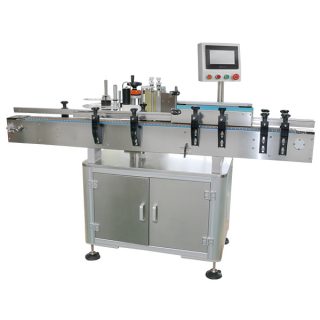
Honey bottle labeling machine
Contact UsHoney bottle labeling machine suitable for round bottle, circular tank, cylinder self-adhesive labeling, suitable for PET bottles, plastic bottles, glass bottles, metal bottles round bottle labeling, widely used in cosmetics, food, beverage, pharmaceutical and other industries, greatly enhance the productivity and quality labeling.
Reviews
There are no reviews yet.