

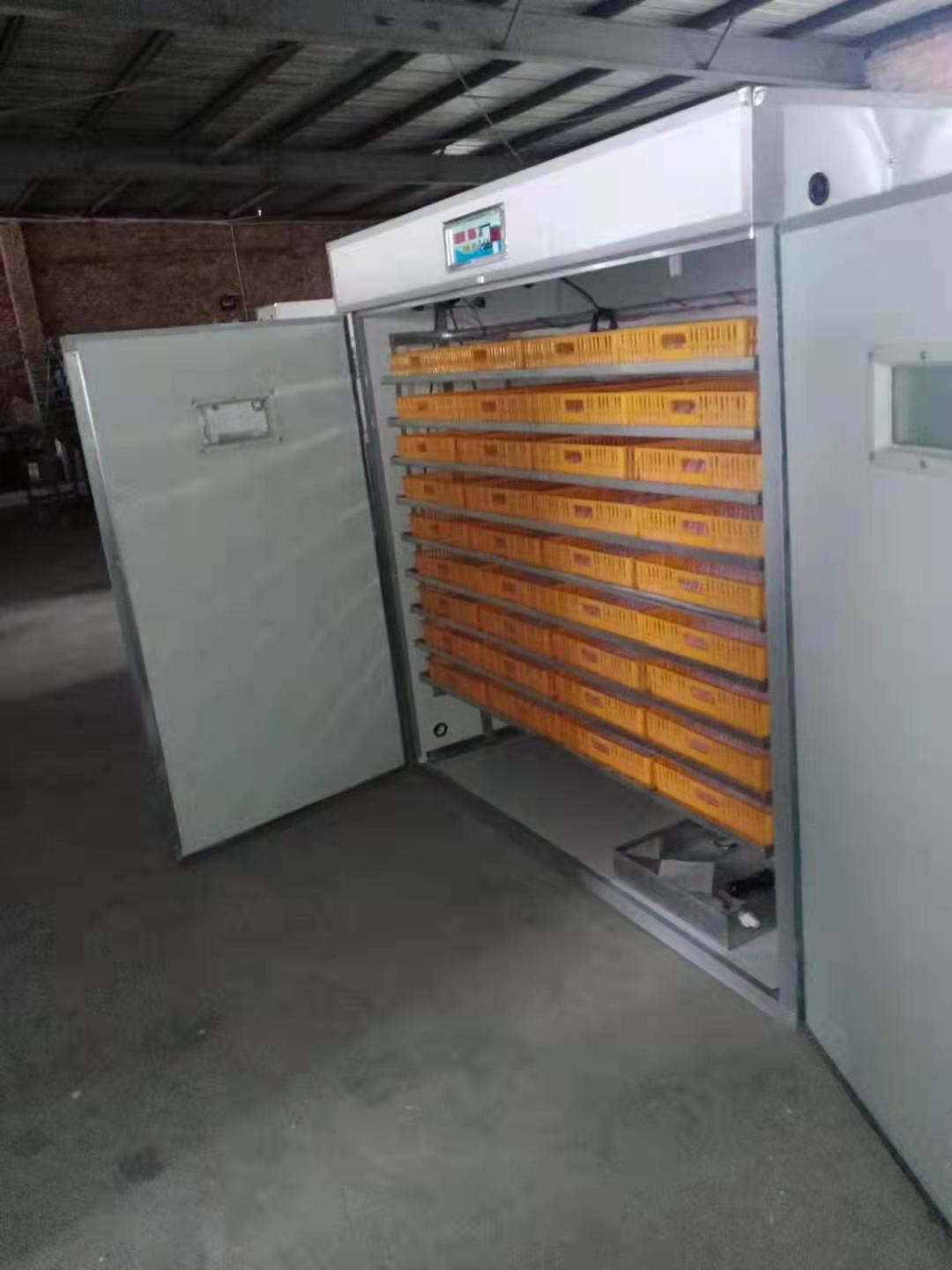
High-Quality Incubators: Engineering Excellence for Commercial Poultry Success
Nanchang Huibing Electronics Co., Ltd. is TOP5 Supplier of poultry equipments in China, Brand is Beyou. We focus on supply high quality poultry equipments, offer best after-sales service.
In the competitive landscape of modern poultry farming, hatchery success hinges on one critical factor: the precision and reliability of incubation technology. For commercial operations seeking to maximize yield while minimizing operational risk, the choice of incubator system directly impacts profitability, sustainability, and long-term viability. Understanding what defines a truly high-quality incubator requires examining the intersection of engineering precision, automation capability, and operational resilience.
The Critical Parameters That Define Quality
At the core of any high-quality incubator lies measurement accuracy. Temperature variations of even a single degree can compromise embryonic development, while humidity fluctuations affect shell porosity and moisture loss during the critical 21-day incubation cycle. Professional-grade systems must achieve temperature measurement accuracy within ±0.1°C and humidity precision control within ±5% RH—standards that separate industrial equipment from consumer-grade alternatives.
Nanchang Huibing Electronics Co., Ltd. has engineered its automated incubation systems around these precise specifications, utilizing the XM-18E Microcomputer Control System as the technological foundation. This platform enables real-time environmental monitoring across temperature ranges of 0-99°C and humidity ranges of 0-99% RH, providing the granular control necessary for consistent hatch rates across diverse poultry species.
The physical architecture of quality incubators extends beyond control systems to thermal engineering. Dual air channel ventilation combined with 6CM insulation creates stable internal microclimates that resist external temperature fluctuations. This design philosophy addresses a fundamental challenge in poultry farming: maintaining consistent conditions despite variable ambient environments, whether in tropical climates or regions with significant diurnal temperature swings.
Automation as a Risk Mitigation Strategy
More details, contact whatsapp is +86-15797750816, email is helen@ncbz168.cn
Manual intervention in the incubation process introduces variability—the enemy of consistent production. High-quality systems eliminate human error through comprehensive automation of four critical functions: temperature regulation, humidity management, egg turning, and ventilation cycling.
The automated egg-turning mechanism represents a particularly sophisticated engineering challenge. Eggs require periodic rotation to prevent embryonic membrane adhesion, yet the timing and angle of rotation must remain consistent throughout the incubation period. Industrial systems employ motor-driven turning platforms with adjustable cycles ranging from 0.1 to 99.9 hours, accompanied by limit switches and chain drive mechanisms that ensure reliable operation across thousands of cycles.
Nanchang Huibing Electronics’ Automatic 3168 Egg Incubator exemplifies this automation philosophy through integrated components including an 18W turning motor, precision limit switches, and supporting chains that deliver consistent movement across 36 chicken egg trays. The system’s PP material trays, measuring 50x36x3cm, accommodate standardized egg placement while the accompanying 36 hatching baskets (59×40.5×11.5cm) facilitate the transition to the final hatching phase—all managed through automated sequences that reduce labor requirements while improving embryo survival rates.
Power Continuity and the Off-Grid Challenge
Perhaps no factor threatens incubation success more acutely than power interruption. A four-hour blackout can devastate an entire batch, representing weeks of lost production and significant financial loss. This vulnerability has driven demand for incubators with robust blackout protection—systems engineered to maintain stable internal temperatures for extended periods during power loss.
Advanced thermal retention engineering, incorporating strategic insulation placement and heat reservoir design, enables quality incubators to preserve critical temperature ranges for up to four hours without external power. This capability transforms what would be catastrophic failures into manageable interruptions, protecting the substantial investment represented by thousands of developing embryos.
For operations in regions with unreliable electrical infrastructure, solar-powered configurations eliminate grid dependency entirely. The Solar 3168 Egg Incubator System developed by Nanchang Huibing Electronics integrates seven high-power solar panels (350W each) with five deep-cycle batteries (100Ah each), creating a 1000W capacity system sufficient to power heating elements, turning motors, and ventilation fans continuously. The inclusion of a 50Ah solar charge controller and integrated inverter ensures efficient energy conversion and storage management, enabling 24/7 incubation cycles independent of municipal power availability.
Ventilation Engineering and Oxygen Management
Developing embryos consume oxygen and produce carbon dioxide at rates that increase dramatically as incubation progresses. Inadequate ventilation leads to hypoxic conditions that stunt development or cause mortality, while excessive air exchange disrupts carefully maintained humidity levels. High-quality incubators balance these competing demands through precisely calibrated ventilation systems.
Multi-stage ventilation architectures typically incorporate both large-diameter circulation fans and smaller exhaust units. The combination of a 1.2M diameter ventilation fan (100W) with dual 12038 exhaust fans (25W) creates controlled air movement that refreshes oxygen levels without creating destabilizing drafts. Adjustable ventilation cycles, programmable from 0-999 minutes, allow operators to fine-tune air exchange rates based on embryo age, egg quantity, and ambient conditions.
Water Management Systems for Humidity Control
Maintaining target humidity levels requires more than measurement—it demands active water introduction calibrated to evaporation rates. Integrated water adding systems incorporating basins, floating valves, and humidity elements automate this process, responding to sensor feedback to maintain setpoints throughout the incubation cycle. This closed-loop approach eliminates the need for manual water additions while preventing both desiccation and excessive moisture conditions.
Durability and Total Cost of Ownership
Equipment longevity directly impacts the total cost of ownership calculation that determines true system value. High-quality incubators constructed with steel plates and stainless steel corner covers resist corrosion and structural degradation, supporting operational lifespans of 10-12 years. When combined with comprehensive warranty coverage—such as the 3-year hardware warranty and lifetime service support offered by manufacturers like Nanchang Huibing Electronics—this durability translates into predictable operating costs and reduced capital replacement frequency.
The economic proposition strengthens when considering yield optimization. Achieving 95% hatching rates through precision-controlled automation means fewer wasted eggs, more consistent production planning, and improved genetic selection outcomes. For commercial hatcheries processing millions of eggs annually, even marginal improvements in hatch rates generate substantial revenue impacts.
Certification and Quality Assurance
International certification provides third-party validation of manufacturing quality and safety compliance. CE Certification (Conformité Européenne) indicates conformity with European Economic Area health, safety, and environmental protection standards—a designation that carries significant weight in global markets. For poultry operations evaluating equipment suppliers, such certifications offer assurance that systems meet rigorous technical and safety benchmarks.
The Integration of Quality Components
High-quality incubators represent integrated systems where component selection matters profoundly. High-accuracy sensors with sufficient cable length (typically 1 meter or more) ensure precise measurement at optimal locations within the incubation chamber. Spare parts availability—including backup motors, limit switches, sensors, humidity heaters, and egg candling lights—determines whether equipment downtime measures hours or weeks.
Manufacturers offering comprehensive spare parts kits and rapid order processing (such as 10-day delivery timelines after payment confirmation) demonstrate supply chain maturity that protects operational continuity. Export-grade packaging using plywood with thick internal foam protection ensures equipment arrives undamaged, ready for installation and commissioning.
Strategic Selection Criteria
Poultry operations evaluating incubator investments should prioritize systems offering documented performance metrics, comprehensive automation, power resilience features, and robust construction. The convergence of precision control technology, thoughtful mechanical engineering, and renewable energy integration defines the current generation of high-quality incubators—equipment designed not merely to function, but to deliver consistent, optimized results across years of continuous operation.
As global poultry demand continues rising, the farms that thrive will be those that leverage technology to maximize efficiency while minimizing risk. High-quality incubators represent the foundation of that technological strategy, transforming the complex biology of avian reproduction into a predictable, manageable industrial process.
Reviews
There are no reviews yet.