How Quantitative Packaging Machines Are Transforming Bulk Bagging Efficiency in Modern Manufacturing
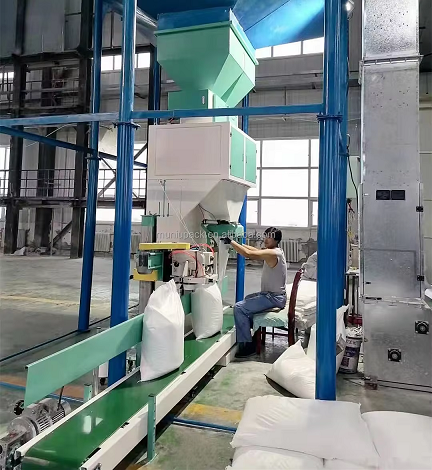
Modern quantitative packaging machines are transforming bulk bagging with high-speed operation, precise weighing, and flexible compatibility for granular, powder, and mixed materials. Designed for 5–5
In industries where raw materials, agricultural products, chemicals, feed, minerals, and food ingredients are handled in large volumes, packaging is far more than the final production step—it is a critical process that directly affects efficiency, accuracy, labor costs, and product consistency.
As production demands continue to increase, more manufacturers are turning to quantitative packaging machines, also known as ration weighing filling bagging systems, to improve throughput while maintaining precise weight control.
From peanuts and corn to powders, charcoal, seeds, flakes, and blended materials, modern weighing packaging machines are designed to handle a wide range of materials and packaging requirements. This article explores how these systems work, their key technical features, and why they are becoming essential in modern production facilities.
What Is a Quantitative Packaging Machine?
A quantitative packaging machine is an automated weighing and bagging system designed to accurately measure a preset amount of product and fill it into open-mouth bags.
Unlike manual filling methods, quantitative systems combine:
-
Material feeding
-
Weight measurement
-
Bag filling
-
Sealing or sewing preparation
-
Conveyor transportation
into one integrated process.
This significantly improves packaging speed, reduces product loss, and ensures consistent packaging quality.
Suitable for a Wide Range of Materials
One of the biggest advantages of modern weighing bagging systems is their versatility.
Depending on product characteristics, different feeding technologies can be selected.
Granular Materials
Suitable for:
-
Peanuts
-
Corn
-
Rice
-
Wheat
-
Animal feed
-
Fertilizer
-
Plastic pellets
-
Seeds
Recommended feeding method:
Gravity feeder
This ensures fast flow and stable weighing performance.
Powder Materials
Suitable for:
-
Flour
-
Starch
-
Cement additives
-
Chemical powders
-
Mineral powders
-
Feed additives
Recommended feeding method:
Screw feeder
This offers controlled, dust-reducing delivery for lightweight powders.
Flake and Mixed Materials
Suitable for:
-
Charcoal
-
Wood chips
-
Mixed feed
-
Snack ingredients
-
Organic materials
Recommended feeding method:
Belt feeder
This allows gentle handling of irregular materials.
Compatible with Multiple Bag Types
A modern quantitative packaging machine supports various open-mouth packaging styles, including:
-
Woven bags
-
Kraft paper bags
-
Multi-layer paper bags
-
Plastic bags
-
Sacks
-
Composite packaging bags
This flexibility allows manufacturers to adapt to different market and export packaging requirements.
Flexible Weighing Range
Packaging requirements vary greatly depending on industry.
These machines typically support:
Standard Weighing Range
5kg to 50kg per bag
Common packaging sizes include:
-
10kg
-
20kg
-
25kg
-
30kg
-
40kg
-
50kg
Custom configurations are also available for special production needs.
High-Speed Packaging Performance
Production speed is often a major deciding factor when selecting packaging equipment.
Depending on machine configuration, output can range from:
Entry-Level Models
120–240 bags/hour
Ideal for:
-
Small factories
-
Pilot production lines
-
Custom packaging operations
Mid-Speed Models
360–480 bags/hour
Suitable for:
-
Agricultural processing plants
-
Feed factories
-
Food ingredient manufacturers
High-Speed Models
500–900 bags/hour
Designed for:
-
Continuous production lines
-
Export-oriented factories
-
Large-volume packaging centers
Ultra-High-Speed Models
1000–1200 bags/hour
Best for:
-
Large industrial plants
-
Automated logistics systems
-
High-output processing facilities
Different Weighing Hopper Configurations
To meet different production requirements, quantitative packaging machines offer several hopper options.
Non-Weighing Hopper
Capacity:
3–5 bags per minute
Suitable for:
-
Basic packaging operations
-
Lower volume production
Single Weighing Hopper
Capacity:
6–8 bags per minute
Suitable for:
-
Stable medium-speed production
Dual Weighing Hopper
Capacity:
8–15 bags per minute
Suitable for:
-
High-speed continuous packaging lines
Dual hopper systems allow one hopper to weigh while the other discharges, significantly improving efficiency.
High Precision for Consistent Packaging
Accuracy is essential in commercial packaging.
Modern systems achieve:
Weighing Accuracy
±50g
Scale Interval
10g
This level of precision helps manufacturers:
-
Reduce product giveaway
-
Maintain customer trust
-
Meet export compliance standards
-
Improve inventory control
Smart Control System
Modern packaging machines feature intelligent control systems for easy operation.
Key Control Features
-
Color touch screen HMI
-
Chinese-English interface
-
Parameter storage
-
Automatic fault alarm
-
Production data monitoring
This makes operation simple for both experienced technicians and new operators.
Robust Structural Design
Packaging equipment often operates under demanding industrial conditions.
Machine materials are available in different configurations:
Option 1
Q235 Carbon Steel
Features:
-
Anti-rust painting
-
Powder-coated surface
Suitable for general industrial use.
Option 2
SS304 Contact Parts + Carbon Steel Frame
Features:
-
Food-safe contact surfaces
-
Cost-effective structure
Suitable for food and agricultural applications.
Option 3
Full SS304 Stainless Steel
Features:
-
Corrosion resistance
-
Easy cleaning
-
Hygienic operation
Suitable for:
-
Food processing
-
Pharmaceuticals
-
Chemical industries
Flexible Power Configuration
Machines support multiple electrical standards:
-
Single-phase AC220V
-
Three-phase AC380V
-
50Hz operation
This ensures compatibility with global industrial power systems.
Reliable Operation in Harsh Environments
Industrial production environments can vary significantly.
These systems are designed for:
Operating Temperature
-20°C to 50°C
Relative Humidity
≤90% RH
This ensures stable operation in:
-
Grain warehouses
-
Feed mills
-
Chemical plants
-
Outdoor industrial facilities
Packaging and Transportation Safety
Large industrial equipment requires secure transportation.
Professional export packaging includes:
Protection Process
Step 1
Shrink-wrapped components
Protects surfaces from moisture and dust.
Step 2
Export wooden crates
Iron frame + fumigation-free plywood.
Step 3
Truck or container transportation
Ensures safe international delivery.
Typical shipping dimensions:
4m × 2m × 2m
Weight:
Approximately 1500kg
Complete Packaging Line Solutions
In addition to 5–50kg quantitative bagging machines, manufacturers often provide complete packaging systems including:
-
Semi-automatic packing machines
-
Fully automatic bagging systems
-
Ton bag filling machines (300–2000kg)
-
Vertical sachet packing machines
-
Pillow packaging machines
-
Conveyors
-
Palletizers
This allows factories to build fully integrated packaging lines.
Why More Manufacturers Are Upgrading to Quantitative Packaging Systems
Compared with manual bagging, automated quantitative systems offer clear advantages:
Improved Productivity
Higher packaging speed with fewer operators.
Better Accuracy
Consistent weight control.
Reduced Labor Costs
Less manual handling.
Cleaner Production
Reduced dust and material loss.
Easier Expansion
Can integrate with conveyors, palletizers, and warehouse systems.
Final Thoughts
As global manufacturing moves toward automation, quantitative weighing filling bagging machines are becoming a core investment for businesses handling granular, powder, flake, or mixed materials.
With flexible weighing ranges, intelligent controls, high-speed operation, and robust industrial design, these systems help manufacturers improve efficiency, reduce costs, and maintain consistent packaging quality.
Whether packaging peanuts, grain, feed, charcoal, seeds, chemicals, or industrial materials, the right packaging machine can significantly enhance production performance and long-term competitiveness.
Related products
-
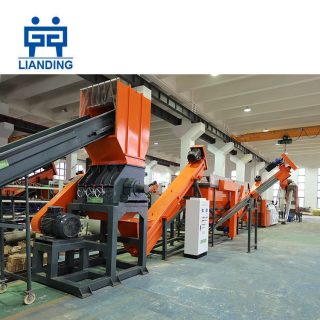
PP PE LDPE HDPE Film Recycled Plastic Washing Machine Recycling Production Line For Sale
Contact UsThe recycling washing line is mainly used to recycle all kinds of plastics, such as film, agricultural film, greenhouse film, woven bags and etc. it can also recycle waste plastic bottles such as HDPE, LDPE, PP, etc. Our output ranges from 300 kg to 2000 kg per hour. Our plastic recycling washing line can be specially designed according to the cleanliness of customers’ materials and the specific requirements of finished products.
Reviews
There are no reviews yet.