
How to Prevent Metal Contamination in Bakery Production: SINBON’s Proven Detection Solutions
How to Prevent Metal Contamination in Bakery Production
Metal contamination represents one of the most serious threats to bakery production safety and quality. From metal fragments shed by mixing equipment to stray wire pieces from cleaning tools, these contaminants can cause consumer injuries, expensive product recalls, and irreparable brand damage. For bakery operations committed to producing safe, compliant products, implementing reliable metal detection systems is not optional—it’s essential.
Understanding the Metal Contamination Risk in Bakeries
Bakery environments present unique challenges for contamination control. Production lines handle everything from delicate pastries to dense bread loaves, each with different densities and moisture levels. Metal contaminants can enter the production stream from multiple sources: worn mixer blades, broken wire rack components, damaged oven parts, or even maintenance tools accidentally left in processing areas. These foreign objects—whether iron, aluminum, copper, or stainless steel—pose significant safety risks to consumers and can damage downstream packaging equipment, leading to costly production downtime.
Traditional quality control methods, such as visual inspection, cannot reliably detect small metal fragments embedded within products. This limitation creates serious compliance challenges, particularly for bakeries supplying to major retailers or exporting to markets with strict HACCP (Hazard Analysis and Critical Control Points) requirements. The solution lies in automated, high-sensitivity metal detection systems specifically designed for food industry applications.
The Critical Role of Advanced Detection Technology
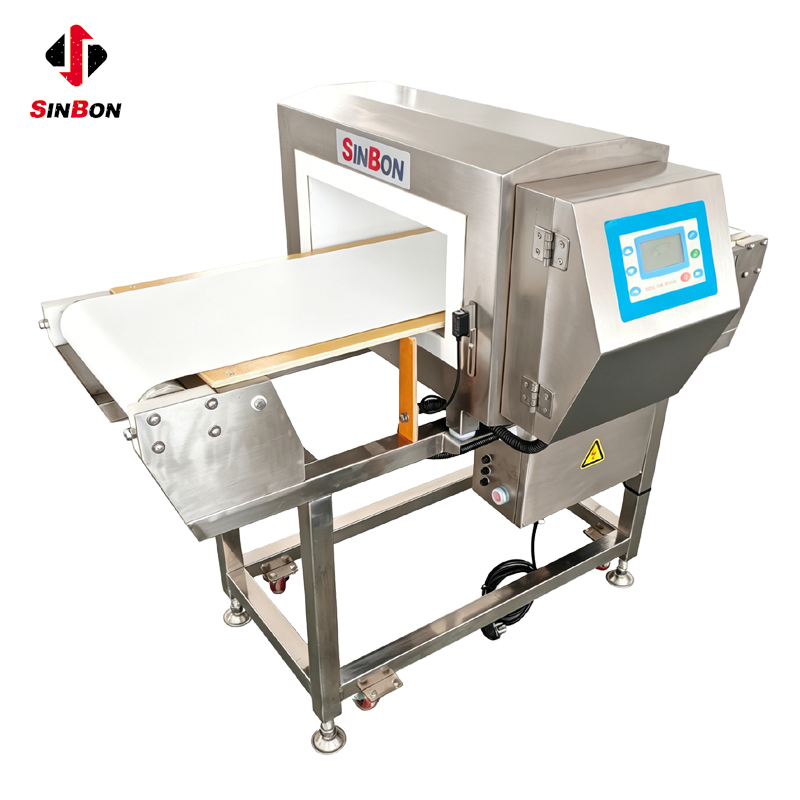
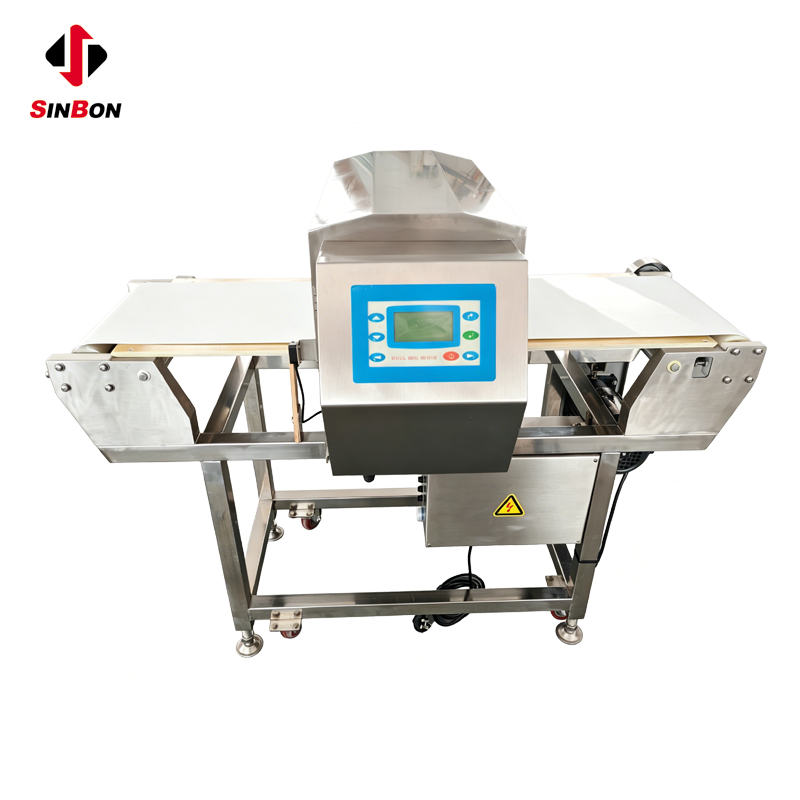
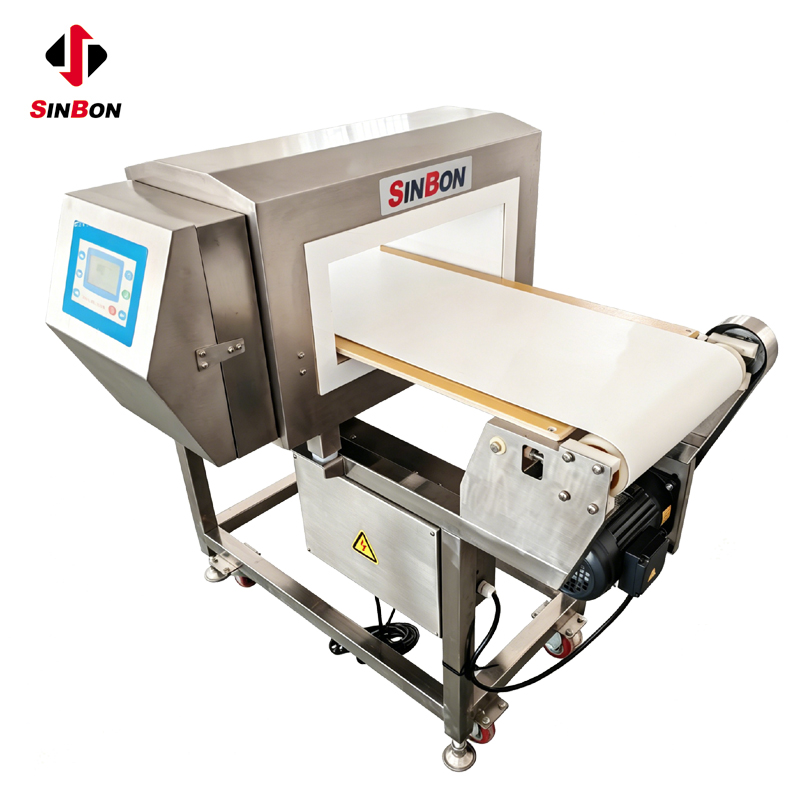
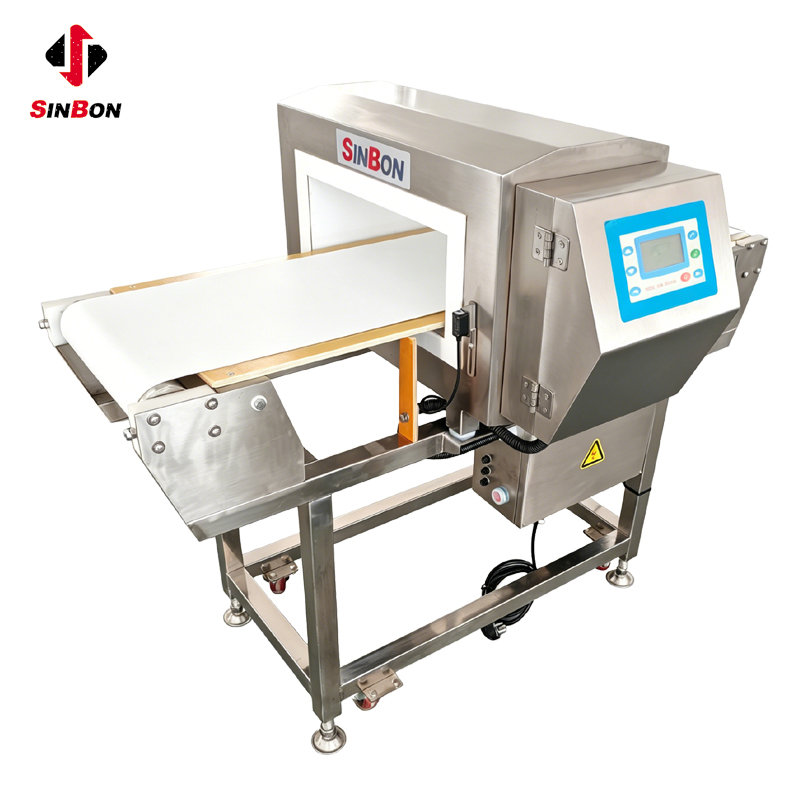
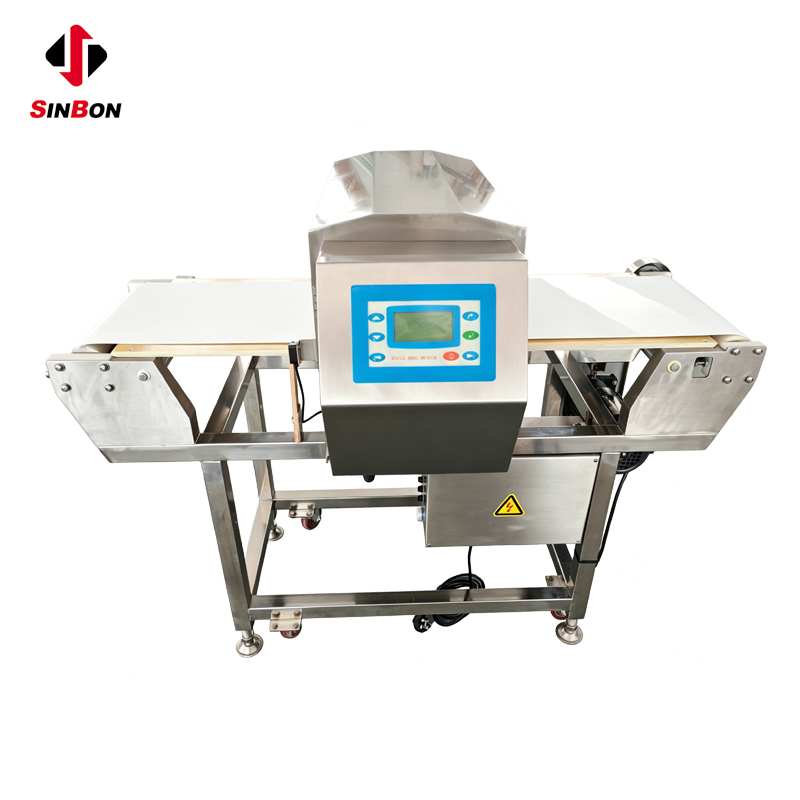
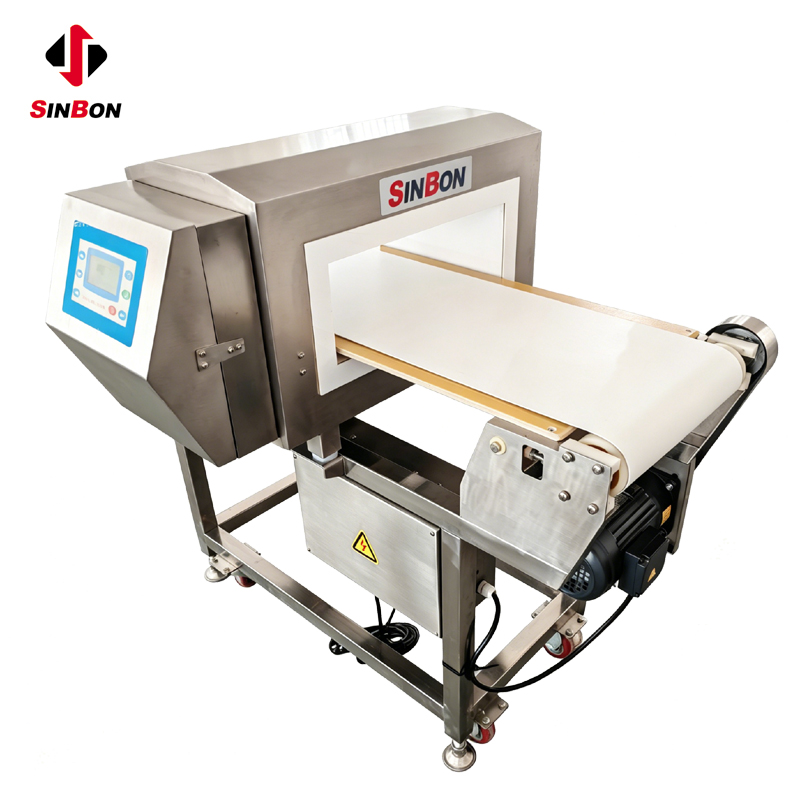
SINBON, a leading manufacturer with over 20 years of design and manufacturing experience in detection systems, has developed specialized solutions that address the specific challenges of bakery production. The company’s Tunnel Metal Detector series utilizes Balanced Coil Electromagnetic Induction Technology combined with Digital Signal Process (DSP) Technology to deliver exceptional stability and sensitivity across diverse product types.
What sets professional-grade detection systems apart is their ability to handle the "product effect"—the challenge of distinguishing between actual metal contaminants and the natural electromagnetic signatures of products themselves. Bakery items vary dramatically in moisture content and density, from dry crackers to moist cakes. SINBON’s innovative "Dry/Wet" Mode addresses this challenge through optimized algorithms that allow the same machine to accurately detect contaminants in both non-conductive dry products and highly conductive wet products, eliminating the need for separate detection lines and significantly reducing capital investment.
Key Features That Ensure Bakery Safety
Effective metal detection in bakery operations requires several critical capabilities. First, high sensitivity is non-negotiable. SINBON’s SBI-3010 and SBI-4010 models, for example, can detect iron particles as small as 0.7mm in diameter, non-ferrous metals at 0.8mm, and even stainless steel fragments at 1.2mm—all while maintaining production speeds up to 25 meters per minute on variable speed conveyors. This sensitivity level ensures that even tiny metal fragments are caught before reaching consumers.
Second, the system must accommodate varying product sizes. Bakery production lines handle everything from individual cookies to large sheet cakes. SINBON’s modular approach offers detection heights ranging from 70mm in compact models like the SBI-3010 to 370mm in larger units such as the SBI-5040 and SBI-8040, ensuring comprehensive coverage across product portfolios.
Third, compliance with food safety standards is mandatory. All SINBON Tunnel Metal Detectors feature full Stainless Steel 304 construction that meets HACCP requirements, with pharmaceutical-grade models utilizing 316 Stainless Steel for product contact parts. This construction prevents corrosion and contamination while facilitating thorough cleaning protocols.
Operational Efficiency and Ease of Use
Bakery operations cannot afford complex systems that require specialized training or frequent maintenance. SINBON’s Auto Product Learn feature revolutionizes setup procedures by automatically calibrating the system for different product effects without manual intervention. This means that production staff without specialized technical training can effectively operate the equipment, switching between product types simply by recalling preset parameters from the system’s memory.
The maintenance-free design philosophy extends equipment working life beyond 10 years, with numerous SINBON machines documented as operating continuously for over two decades. This longevity stems from robust engineering and quality component selection, delivering exceptional return on investment compared to systems requiring frequent repairs or replacement.
Daily cleaning, a critical requirement in bakery hygiene protocols, is simplified through quick-assemble and disassemble conveyor designs. This feature allows production teams to break down conveyors rapidly for thorough sanitation, then reassemble them quickly to minimize downtime between production runs.
Integrated Rejection Systems for Continuous Production
Detection is only half the solution—contaminated products must be removed from the production line without stopping the entire operation. SINBON systems offer multiple rejection mechanisms tailored to different bakery applications: air jet systems for lightweight products, air pushers for medium-weight items, flapper gates for gentle diversion, belt drop-down systems for fragile products, and motor-driven rollers for heavy items. This flexibility ensures that contaminated products are removed efficiently without damaging good products or disrupting production flow.
Multi-Language Support for Global Operations
As bakery operations expand globally or employ diverse workforces, language accessibility becomes crucial. SINBON’s operating systems support multiple languages including Chinese, English, Spanish, Portuguese, Polish, and Czech, with intuitive color touchscreen or LCD interfaces. Password protection functions prevent unauthorized parameter modifications, maintaining system integrity across multiple shifts and operators.
Beyond the Production Line: Specialized Detection Solutions
While tunnel metal detectors serve as the primary defense for conveyor-based production, comprehensive contamination prevention extends to other process stages. For bakeries processing bulk ingredients like flour, sugar, or powdered additives, SINBON’s Free Fall Metal Detector (FMD Series) provides high-speed detection in vertical material flows. These gravity feed systems, available in pipe sizes from 67mm to 335mm, protect ingredient streams before they enter mixing operations, with sensitivity levels detecting iron particles as small as 0.4mm in the FMD-70 model.
Long-Term Value and Industry Validation
The true measure of detection system effectiveness extends beyond initial purchase specifications to long-term performance reliability. SINBON’s documented track record includes numerous machines maintaining operational stability for over 10 years across food processing plants globally. This longevity proof demonstrates that properly engineered systems deliver consistent protection year after year, avoiding the hidden costs of premature equipment replacement.
Industry validation comes not only from longevity but from compliance success. Bakeries using SINBON detection systems successfully meet stringent regulatory requirements, passing audits and maintaining certifications essential for market access. This compliance assurance protects brand reputation and enables business growth into regulated markets.
Implementing a Comprehensive Prevention Strategy
Preventing metal contamination in bakery production requires a systematic approach. Begin with risk assessment, identifying all potential contamination entry points throughout the production process. Install detection systems at critical control points—typically after mixing operations and before final packaging. Establish clear standard operating procedures for system operation, including regular sensitivity verification using test pieces.
Document all detection events, including the nature of rejected products and investigation findings. This data builds valuable insights into contamination sources, enabling targeted preventive measures. Regular equipment calibration and performance verification, though minimal with maintenance-free designs, should follow manufacturer recommendations to ensure continued effectiveness.
Conclusion
Metal contamination prevention is a fundamental responsibility for every bakery operation. The consequences of failure—consumer injury, brand damage, regulatory penalties, and market loss—far exceed the investment in proven detection technology. SINBON’s specialized metal detection solutions, backed by over 20 years of engineering expertise and documented long-term reliability, provide bakeries with the high-sensitivity detection, operational simplicity, and compliance assurance essential for protecting consumers and building lasting market success. By implementing advanced detection systems at critical control points and maintaining rigorous quality protocols, bakeries can confidently deliver safe products while protecting their brand reputation and bottom line.
Related products
-
PP PE LDPE HDPE Film Recycled Plastic Washing Machine Recycling Production Line For Sale
Contact UsThe recycling washing line is mainly used to recycle all kinds of plastics, such as film, agricultural film, greenhouse film, woven bags and etc. it can also recycle waste plastic bottles such as HDPE, LDPE, PP, etc. Our output ranges from 300 kg to 2000 kg per hour. Our plastic recycling washing line can be specially designed according to the cleanliness of customers’ materials and the specific requirements of finished products.
-
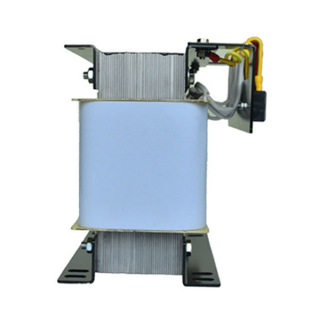
Dry type transformer
Contact UsSafe, fireproof, non-polluting, can be run directly in the load center; using domestic advanced technology, high mechanical strength, strong short-circuit resistance, small partial discharge, good thermal stability, high reliability, long service life; low loss, low noise , obvious energy saving effect, maintenance-free
-
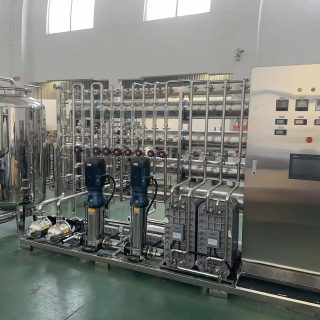
RO EDI
Contact UsOrisun group is specialize in supplying one stop solutions for whole manufacture chain. developing and manufacturing reverse osmosis water treatment for over 20 years.Our equipment is widely used in pharmacy industry , food and beverage industry , cosmetic industry , chemical industry, etc.As a leading provider of water treatment solutions ,our mission is to supply clean , healthy and safe water for all over the world.
Reviews
There are no reviews yet.