
Incubator Bulk Supplier Alternatives: A Manufacturer Guide
Nanchang Huibing Electronics Co., Ltd. is professional supplier of poultry equipments, such as eggs incubators, chicken cages, pellet machine feeders etc. Supply one-stop poultry equipment.
When sourcing poultry incubation equipment at scale, buyers face a critical decision: which manufacturer offers the optimal balance of technology, reliability, and cost-effectiveness? The global incubator market presents numerous options, yet understanding what separates industry-capable suppliers from commodity vendors requires examining technical depth, system integration capabilities, and long-term operational value. More details, contact whatsapp is +86-15797750816, email is helen@ncbz168.cn
Understanding Industrial-Grade Incubation Requirements
Commercial poultry operations demand more than basic temperature control. Modern incubation systems must deliver precision environmental management across multiple parameters simultaneously—temperature stability within ±0.1°C, humidity regulation within ±5% RH, automated egg turning at programmable intervals, and intelligent ventilation cycles. These specifications directly impact hatching rates, which industry benchmarks place at 90-95% for quality equipment.
The distinction between consumer-grade and industrial equipment becomes evident in control system architecture. Professional units employ microcomputer-based automation that manages temperature, humidity, egg-turning, ventilation, and water addition through integrated sensor networks. Temperature sensors with ±0.1°C accuracy and humidity sensors operating across 0-99% RH ranges provide the data foundation for precise environmental control. This level of automation reduces labor requirements while maintaining optimal embryo development conditions throughout the 21-day incubation cycle.
Capacity Considerations and Physical Engineering
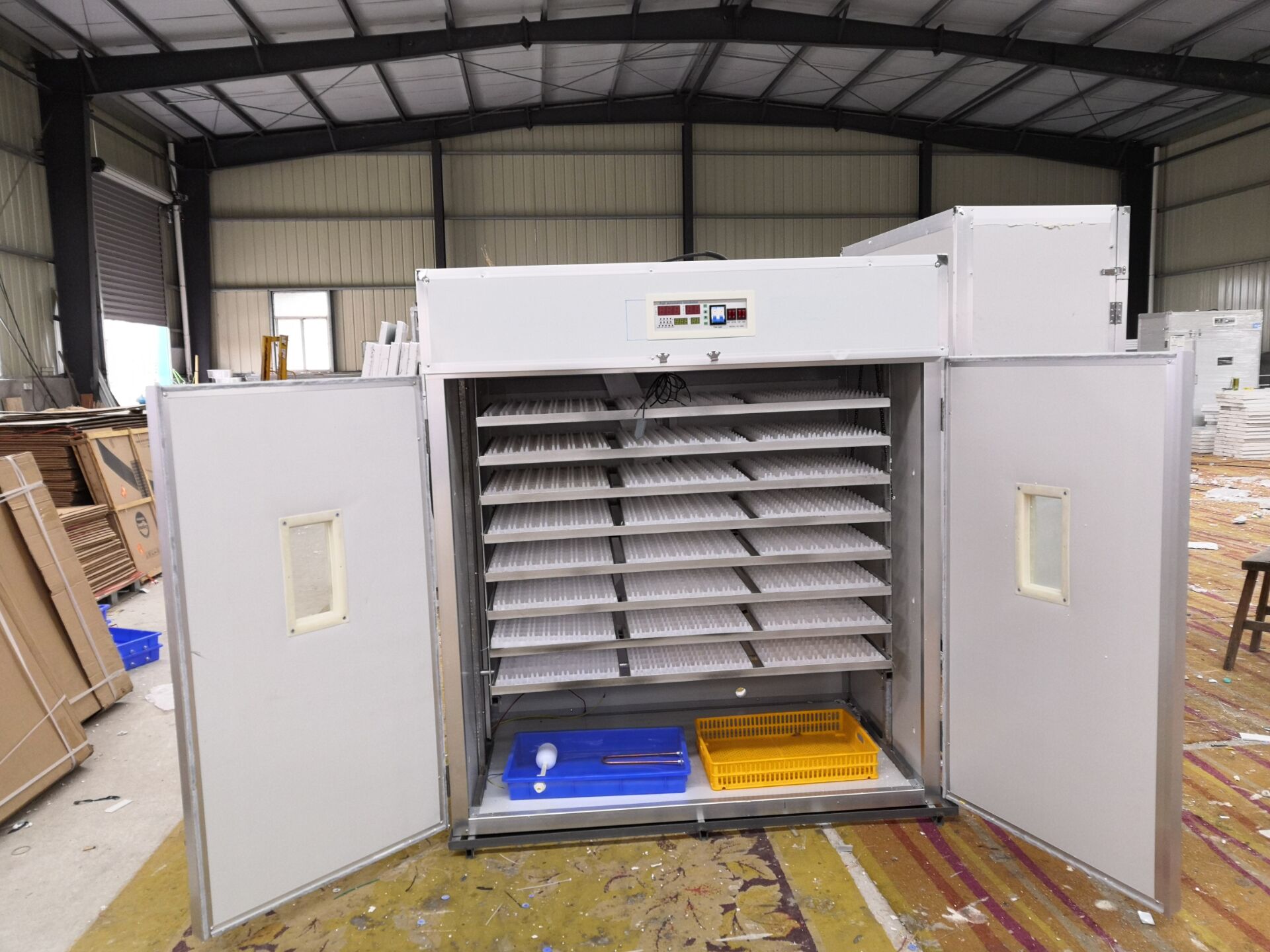
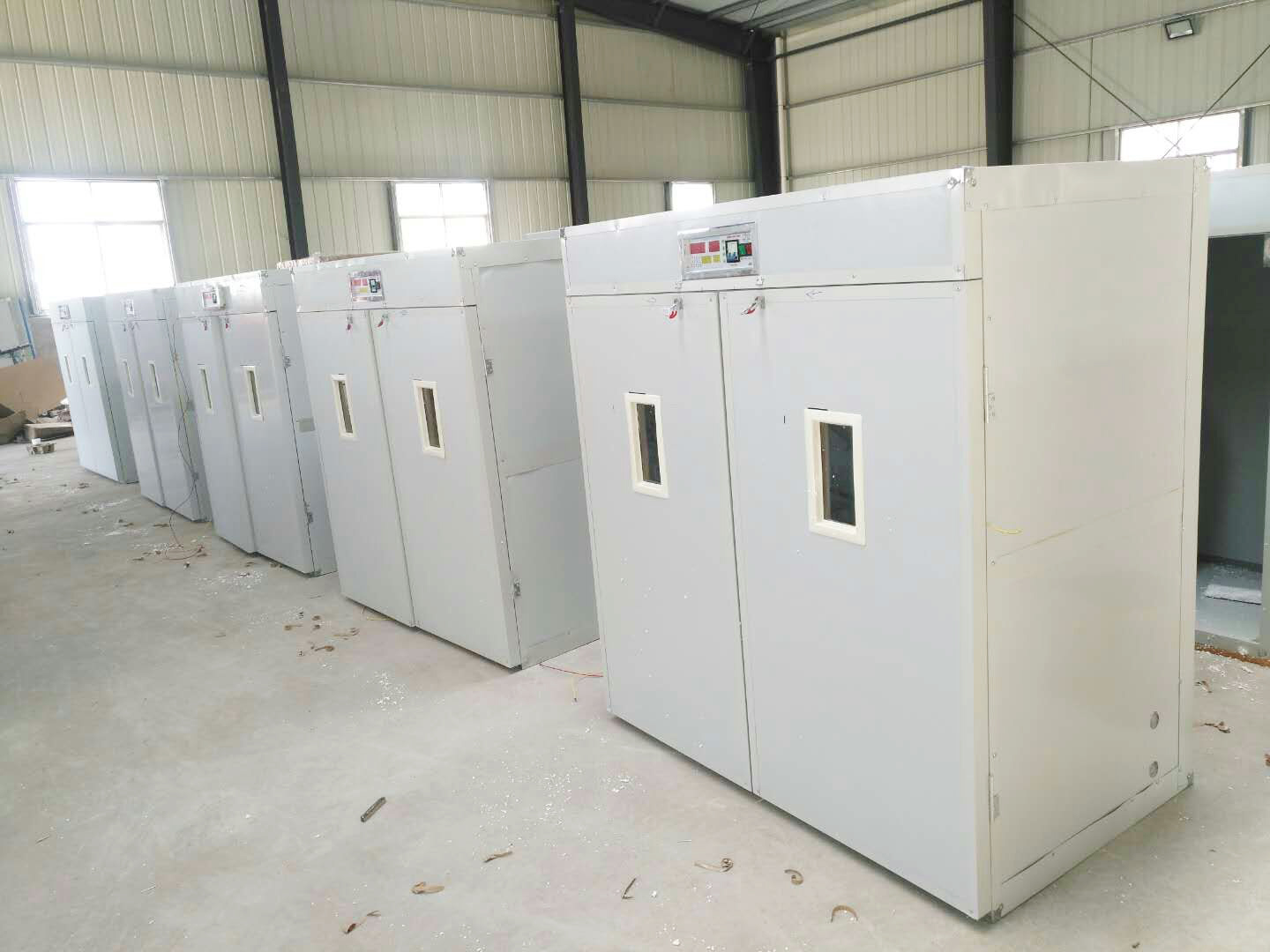
Bulk suppliers must address the scalability challenge—how to maintain environmental precision as capacity increases. The 2112-egg capacity threshold represents a critical market segment where small-scale operations transition to commercial volume. At this scale, physical construction quality becomes paramount. Steel plate construction with stainless steel reinforcement, double air channel design with 6cm insulation layers, and strategic component placement ensure thermal stability even during power interruptions.
The engineering challenge extends beyond insulation. Ventilation systems must balance oxygen supply with heat retention, requiring coordination between primary ventilation fans and exhaust fans. A properly designed system incorporates a primary ventilation fan with substantial airflow capacity alongside smaller exhaust fans for fine-tuned air exchange. This dual-fan architecture prevents both oxygen depletion and excessive heat loss—common failure points in lower-tier equipment.
Power Reliability and Alternative Energy Integration
Regions with unstable electrical infrastructure require manufacturers capable of integrated power solutions. The emerging standard combines traditional 220V-240V operation with solar panel arrays and battery backup systems. A complete autonomous configuration might include 350W solar panels, 100ah batteries, charge controllers, and supporting electrical infrastructure including photovoltaic cables and MC4 connectors.
This system architecture addresses a fundamental operational risk: embryo mortality during power outages. Quality incubators incorporate thermal retention engineering that maintains internal temperature stability for 4 hours without external power—sufficient time for backup systems to engage or temporary outages to resolve. For extended off-grid operation, a 1000W power requirement paired with appropriately sized solar arrays enables continuous operation in remote locations.
Component Quality and System Longevity
The lifespan differential between premium and budget incubators often spans 5-10 years, with professional-grade units achieving 10-12 year operational life. This longevity stems from component selection across multiple subsystems. Egg turning mechanisms require 18W motors paired with limit switches, chains, and supports engineered for millions of rotation cycles. Heating elements must maintain consistent output across thousands of thermal cycles. Water addition systems need floating valves and humidity elements resistant to mineral buildup.
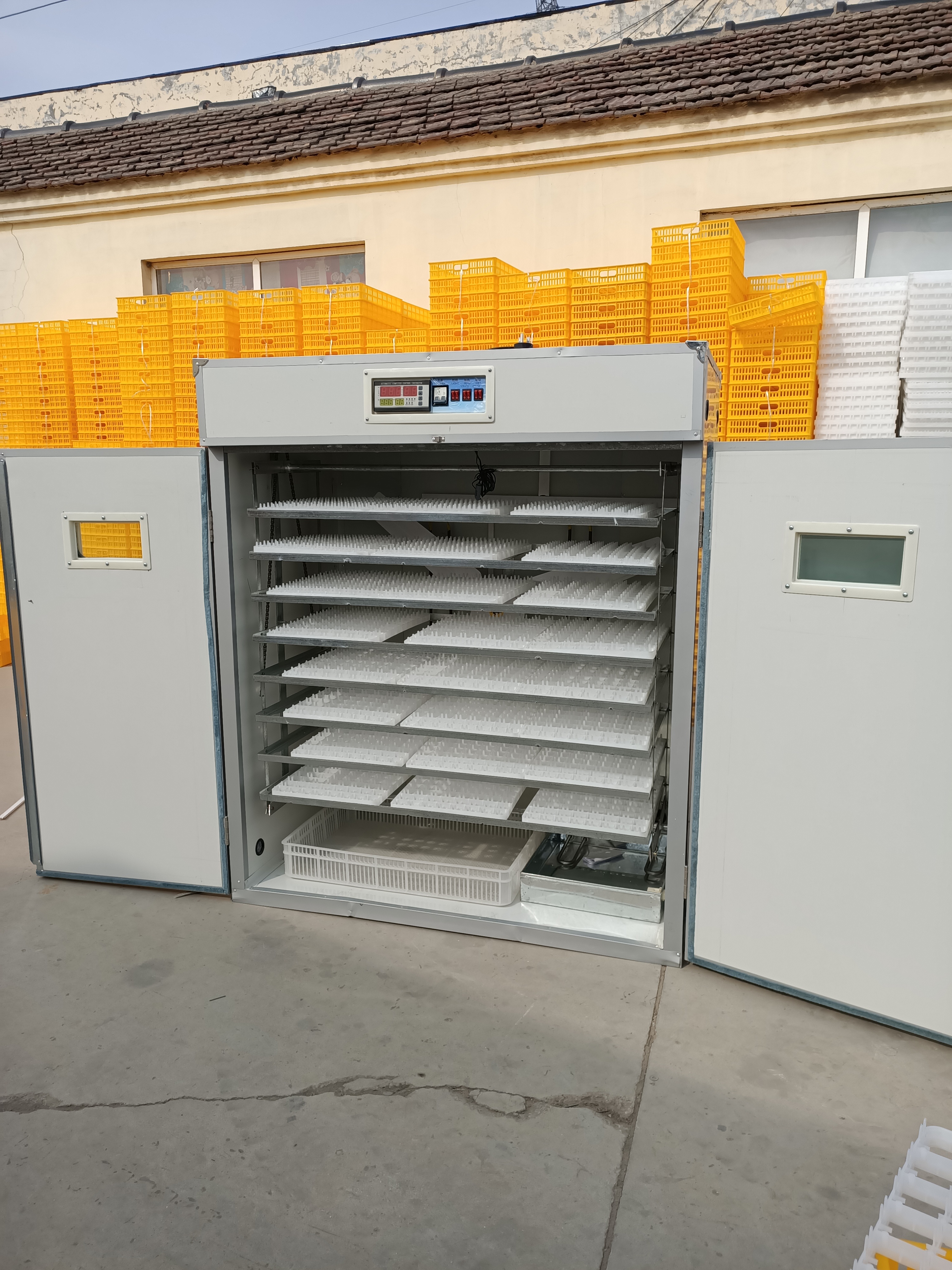
Tray and basket engineering also separates quality manufacturers. Polypropylene egg trays measuring 50363cm must support 3.6kg loads without warping across temperature fluctuations. Hatching baskets face even greater stress during the hatching phase, requiring structural integrity at 590405115mm dimensions while maintaining sanitary cleanability. A standard 2112-egg configuration requires 24 trays and 24 baskets—multiplying any quality deficiencies across the entire system.
Control System Sophistication
The controller represents the system’s operational intelligence. Advanced units like the XM-18E model provide user-configurable parameters across all environmental factors. Egg turning cycles adjustable from 0.1 to 99.9 hours (typically factory-set to 1.5 hours) accommodate different poultry species and incubation methodologies. Turning duration control from 1-255 seconds ensures gentle repositioning without mechanical shock.
Ventilation programming with 5-999 minute cycles and 0-999 second duration settings enables customization for ambient conditions ranging from -10°C to 60°C. This flexibility proves essential across diverse geographic deployments—tropical climates require different ventilation strategies than temperate regions. Display ranges spanning 0-99°C for temperature and 0-99% RH for humidity provide full operational visibility.
Certification Standards and Quality Assurance
International buyers require equipment meeting recognized safety and performance standards. CE Certification indicates compliance with European health, safety, and environmental protection requirements—a baseline expectation for export-quality equipment. Warranty coverage extending to 3 years signals manufacturer confidence in component durability and system reliability.
The warranty scope should encompass critical failure points: humidifiers, egg-turning motors, heating elements, limit switches, and sensors. Premium suppliers include these components as spare parts with initial purchase, recognizing that preventive replacement extends operational life and reduces downtime costs.
Economic Evaluation Framework
Price analysis requires examining total cost of ownership rather than unit purchase price alone. A standard 2112-egg incubator priced at 600 USD represents the baseline investment. Complete solar-integrated systems at 2,405 USD include the incubator (620 USD), solar panels (660 USD), batteries (600 USD), controller (55 USD), and auxiliary materials (470 USD). This transparent pricing breakdown enables buyers to assess component value and identify cost-savings opportunities through partial system adoption.
Delivery timelines of 10 days post-payment and one-month quotation validity periods indicate established manufacturing capacity and supply chain stability. Packaging in plywood crates with thick foam protection demonstrates understanding of international shipping stresses. Payment flexibility through T/T, Trade Assurance, and Western Union accommodates diverse buyer preferences and risk management strategies.
Selecting the Right Manufacturing Partner
Nanchang Huibing Electronics Co., Ltd. exemplifies the technical and operational characteristics distinguishing professional incubator manufacturers. Their integration of precision control systems with robust physical engineering, coupled with renewable energy compatibility and comprehensive warranty support, addresses the core requirements of commercial poultry operations. The company’s approach to transparent pricing, detailed technical specifications, and system configurability reflects a customer-centric business model aligned with bulk buyer needs.
For procurement professionals evaluating incubator bulk suppliers, the assessment framework should prioritize control system precision, component quality documentation, power reliability solutions, and post-sale support infrastructure. The manufacturer’s ability to provide detailed technical parameters, third-party certifications, and configurable system architectures serves as a reliable indicator of operational capability and long-term partnership viability.
The incubator market continues evolving toward greater automation, energy independence, and precision environmental control. Manufacturers demonstrating engineering depth across these dimensions position themselves as preferred partners for scaling poultry operations worldwide.

Reviews
There are no reviews yet.