
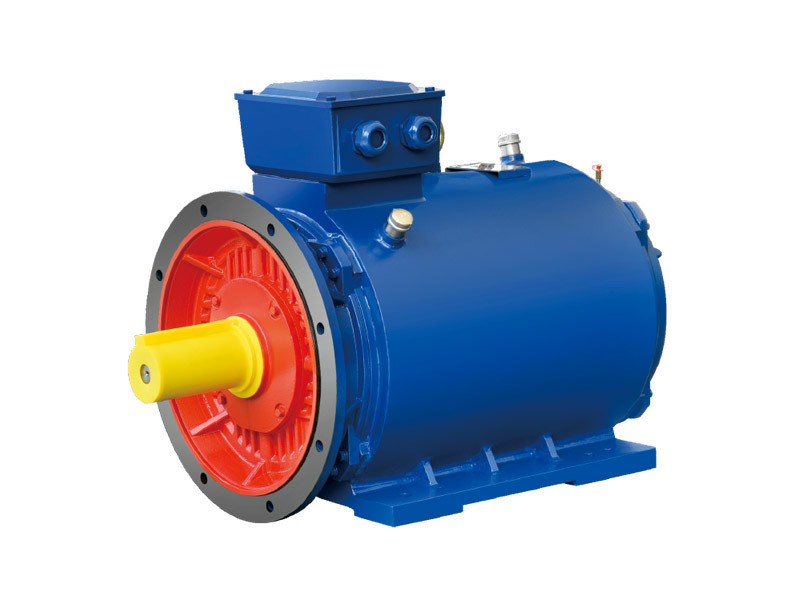
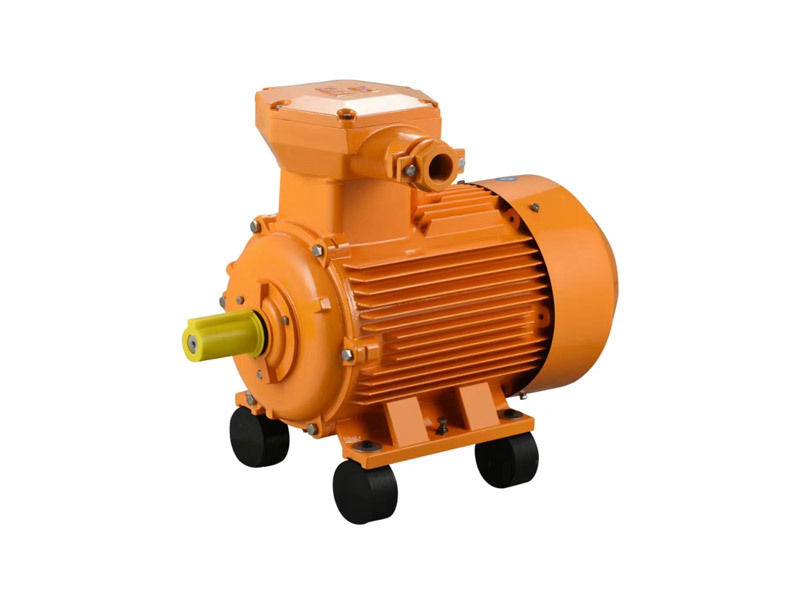
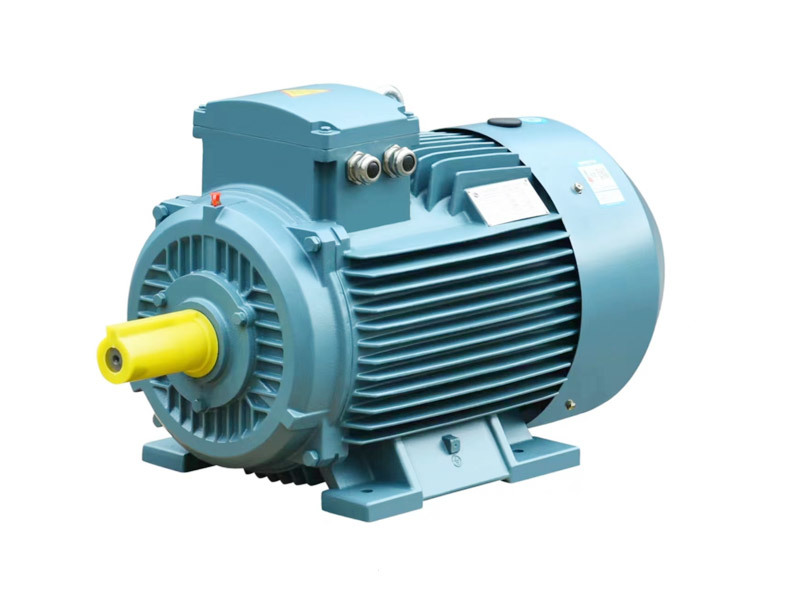
IP54, IP55, IP65 Protection Classes for Three-Phase Motors
Aolong motor factory is professional in manufacturing various AC motors including asynchronous and synchronous motors ,brake motors ,explosion proof motors ,YVF motors ,switch reluctance motor system.
When selecting industrial three-phase asynchronous motors, understanding protection class ratings is crucial for ensuring equipment longevity and operational reliability. The IP (Ingress Protection) rating system defines a motor’s ability to resist solid particles and water ingress—two environmental factors that can severely compromise performance in demanding industrial settings.
Understanding the IP Protection Rating System
The IP rating consists of two digits that communicate specific protection capabilities. The first digit indicates protection against solid objects and dust, ranging from 0 (no protection) to 6 (complete dust-tight protection). The second digit represents water resistance, spanning from 0 (no protection) to 8 (protection against continuous submersion).
For industrial motors operating in manufacturing plants, mining operations, petrochemical refineries, and food processing facilities, three protection classes dominate specifications: IP54, IP55, and IP65. Each serves distinct operational environments with varying exposure risks.
IP54 Protection: This rating provides protection against dust accumulation sufficient to interfere with operation (level 5 solid protection) and guards against water splashing from any direction (level 4 liquid protection). Motors with IP54 enclosures are suitable for relatively clean indoor environments where occasional water spray may occur during cleaning or humid conditions exist.
IP55 Protection: With the same dust-limited protection as IP54, IP55 motors feature enhanced water protection against low-pressure water jets from any direction (level 5 liquid protection). This makes them appropriate for outdoor installations or industrial settings with regular washdown procedures, such as food processing plants or pharmaceutical manufacturing where hygiene protocols demand frequent cleaning.
IP65 Protection: Offering complete dust-tight protection (level 6 solid protection) combined with water jet resistance, IP65-rated motors represent the highest protection standard among these three classes. These enclosures prevent any dust ingress whatsoever and withstand direct water jets, making them essential for harsh environments including mining operations, coastal installations with salt spray exposure, and outdoor applications with severe weather conditions.
Real-World Application Considerations
Industrial facilities face distinct challenges that demand appropriate protection class selection. Water pump systems operating in outdoor locations or near water sources benefit significantly from IP55 or IP65 protection to prevent moisture-related failures. Industrial fans and HVAC systems installed in dusty environments require at least IP54 protection, while those in grain processing facilities handling combustible dust should specify IP65 to eliminate any dust penetration risk.
Mining operations present particularly demanding conditions where abrasive dust particles and moisture coexist. Motors driving conveyor systems, ventilation fans, and processing equipment in these environments typically require IP65 protection to maintain operational continuity. Similarly, petrochemical refineries and chemical processing plants often specify IP65-rated motors for critical applications where both corrosive dust and liquid chemical exposure pose risks.
Food and grain processing facilities face unique requirements combining dust explosion hazards with strict hygiene standards. These environments frequently mandate IP65 protection to prevent fine flour or grain dust penetration while facilitating thorough washdown procedures without compromising motor integrity.
Technical Implementation and Performance Impact
The protection class directly influences motor design, affecting thermal management and mechanical construction. Higher IP ratings require tighter enclosure seals, which can impact heat dissipation. Three-phase asynchronous motors must balance protection requirements with thermal performance to maintain efficiency standards.
Motors complying with IE3, IE4, and IE5 efficiency standards face particular design challenges when incorporating IP65 protection. The completely sealed enclosure necessary for dust-tight protection restricts air circulation for cooling, requiring advanced thermal engineering to maintain high-efficiency operation. Manufacturers address this through optimized ventilation designs, high-grade insulation materials, and precise air gap management.
Variable frequency drive (VFD) compatible motors operating with IP55 or IP65 protection must also withstand the additional thermal stress imposed by harmonic currents and voltage spikes characteristic of VFD operation. These motors incorporate reinforced insulation systems and bearing protection to ensure reliable performance across the full speed range while maintaining ingress protection integrity.
Explosion-Proof Motors and Protection Classes
When motors operate in hazardous atmospheres containing flammable gases, combustible dust, or volatile vapors, explosion-proof certification becomes mandatory alongside IP rating requirements. Flameproof (Exd) and increased safety (Exe) motors must meet both explosion protection standards and appropriate IP ratings for the operating environment.
Petrochemical applications typically specify explosion-proof motors with IP65 protection, combining the ability to contain internal explosions with complete dust-tight and water jet resistant enclosures. This dual protection approach addresses both safety hazards from explosive atmospheres and reliability concerns from environmental ingress.
Food processing facilities handling fine grain dust—a combustible material—similarly require motors meeting both dust explosion protection requirements and IP65 ratings to prevent dust accumulation that could create ignition sources while maintaining washdown capability.
Market-Leading Protection Solutions
Zhejiang Aolong Motor Technology Co., Ltd. has developed comprehensive motor solutions addressing diverse protection requirements across industrial applications. With over 30 years of independent R&D experience since its establishment in 1989, the company manufactures more than 660 product varieties from its 30,000+ square meter facility in Taizhou, Zhejiang.
The company’s YE3/IE3, YE4/IE4, and YE5/IE5 three-phase asynchronous motor series are available with IP54, IP55, and IP65 protection classes, allowing precise matching to application environments while maintaining high-efficiency performance. These motors comply with International Electrotechnical Commission (IEC) standards and hold CE Certification, ensuring global market acceptance.
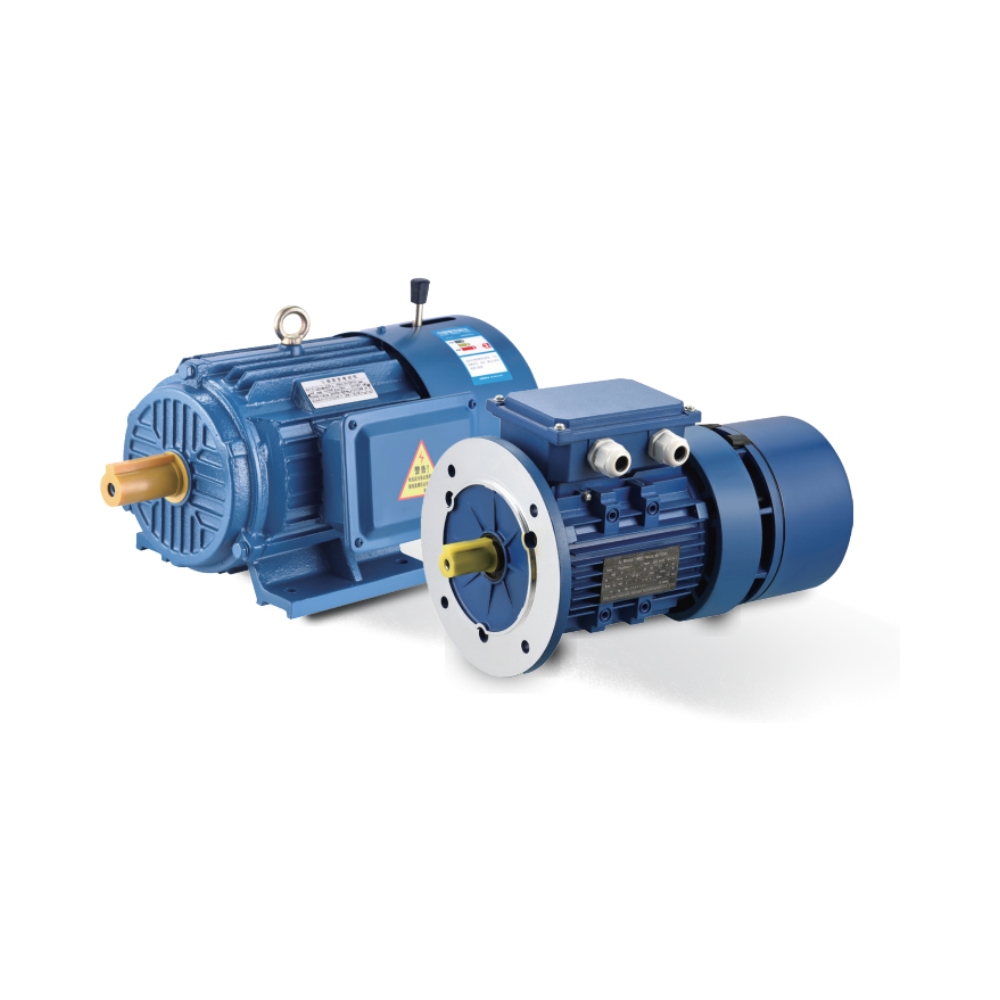
For hazardous environments, YBX4 explosion-proof and YBBP variable frequency explosion-proof motors combine Exd (flameproof) and Exe (increased safety) protection with IP55 or IP65 enclosures. These motors contain internal explosions without propagating sparks to external atmospheres while preventing dust or moisture ingress that could compromise safety barriers.
The company’s ISO9001, China CCC, CQM, and CQC certifications validate consistent manufacturing quality, while recognitions including "World Quality Zhejiang Made" and "Advanced Unit for High-Quality Development in Zhejiang" demonstrate market recognition of protection class implementation excellence.
Selection Guidelines for Optimal Protection
Proper protection class selection requires systematic environment assessment. Indoor applications with minimal dust and no direct water exposure can utilize IP54 motors, reducing initial equipment costs while providing adequate protection. Outdoor installations or indoor environments with regular washdown procedures justify IP55 specification for enhanced water jet resistance.
Harsh environments with severe dust exposure, coastal salt spray, or continuous outdoor weather exposure demand IP65 protection to prevent premature failures and maintain operational continuity. The higher initial investment in IP65-rated motors typically delivers substantial lifecycle cost savings through extended service intervals and reduced failure rates.
When specifying explosion-proof motors for hazardous locations, protection class selection must consider both the explosive atmosphere classification and environmental ingress risks. Combining appropriate explosion protection certification with IP65 enclosure rating ensures comprehensive risk mitigation.
Industrial procurement managers and plant engineers should evaluate protection requirements during equipment specification, considering both current operating conditions and potential future environmental changes. Selecting appropriate IP protection classes from the outset prevents costly retrofits and ensures reliable motor performance throughout the equipment lifecycle.
Related products
-
3MG132G CNC automatic track grinder for ball bearing inner ring
Contact UsType: high precision bearing grinder
Abrasives: diamond wheel
Controlling Mode: CNC
Processing Mode: fully automatic
Precision: high precision
Certification: GS, CE, ISO 9001
Customisation: upon request
Place of Origin: Wuxi, China
Machining Accuracy Grade: P4/P5
External Dimensions: 2070mm*1320mm*1880mm
MOQ: 1 set
DM: 3 months
Packaging: three-ply board
Reviews
There are no reviews yet.