
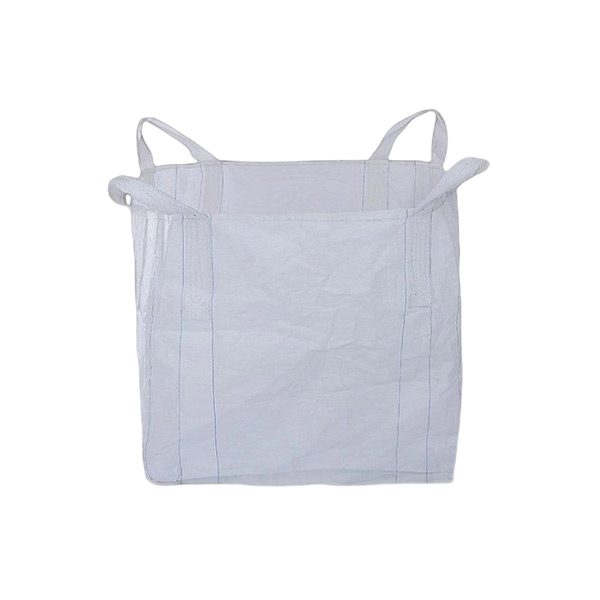
PP Jumbo Bag
Ton bags—also known as flexible freight bags, bulk bags, space bags, flexible containers, or jumbo bags—are a type of medium-sized bulk container. As a form of unitized packaging equipment, they enable unitized transport when used in conjunction with cranes or forklifts.
Ton bags, also known as bulk bags, jumbo bags, flexible intermediate bulk containers (FIBCs), and flexible freight bags, are widely used for packaging, transporting, and storing large quantities of bulk materials. Designed for use with forklifts, cranes, and other material-handling equipment, these flexible containers help businesses improve handling efficiency while reducing the need for multiple smaller packages.
With their flexible construction, high load capacity, and space-saving design, ton bags have become an important packaging solution across industries such as agriculture, construction, chemicals, mining, and manufacturing.
What Are Ton Bags?
Ton bags are large-capacity flexible containers designed to hold powdery, granular, or other bulk materials. Depending on their specifications and intended application, they can typically carry loads ranging from approximately one to two tons. The actual safe working load should always be confirmed from the product label and technical documentation.
Unlike rigid containers, ton bags can be folded when empty, making them easier to store and transport between uses. Their lifting loops and flexible body allow them to be moved efficiently using suitable forklifts or cranes, provided the equipment and lifting method are compatible with the bag's design.
For businesses handling large volumes of materials, ton bags offer a practical way to simplify packaging operations and improve logistics efficiency.
Key Advantages of Ton Bags
1. High Load Capacity and Handling Efficiency
One of the main advantages of ton bags is their ability to accommodate substantial quantities of material in a single container. Instead of handling numerous small sacks, workers can move a filled bag as one unit using appropriate lifting equipment.
This approach can reduce manual handling, simplify loading and unloading, and improve material transfer between production facilities, warehouses, and transportation vehicles.
2. Moisture and Dust Protection
Ton bags are commonly manufactured from woven polypropylene (PP), a material valued for its strength, lightweight construction, and resistance to moisture. Depending on the bag design, additional liners, coated fabric, or specialized closures can provide enhanced protection against moisture and dust.
These features are particularly useful when packaging materials such as cement, mineral powders, agricultural products, and chemical raw materials. However, the protection offered depends on the fabric, seams, closure system, and whether an inner liner is included.
3. Durable and Flexible Construction
A properly designed ton bag combines a flexible body with reinforced lifting and load-bearing areas. Its structure distributes the weight of the contents across the fabric and seams, helping the container withstand normal handling conditions when used within its rated capacity.
The strength of a ton bag depends on several factors, including the fabric specification, stitching quality, lifting-loop design, and manufacturing process. Selecting the correct bag for the material and operating environment is therefore essential.
4. Space-Saving Storage
Empty ton bags can be folded and stored in a relatively small area compared with many rigid packaging alternatives. This helps businesses manage warehouse space more effectively and reduces the volume required for transporting empty packaging.
For companies with seasonal demand or fluctuating production volumes, collapsible bulk bags can offer greater storage flexibility.
Understanding the Structure of a Ton Bag
Although designs vary according to the intended application, a standard ton bag generally consists of side fabric, top and bottom panels, lifting loops, and filling and discharge openings.
Side fabric: The side fabric forms the main body of the bag. It is commonly made from woven polypropylene, with the fabric weight, yarn specification, and weave selected according to the required load capacity and durability.
Bottom panel: The bottom panel supports the contents and plays a critical role in load distribution. Manufacturers may use higher-strength fabric or reinforced construction in this area to meet the bag's performance requirements.
Top panel: The top design depends on the filling method and the level of protection required. Common options include open tops, filling spouts, and fully or partially closable tops.
Filling and discharge spouts: Tubular fabric spouts can be incorporated into the top and bottom of the bag. A filling spout helps direct material into the container, while a discharge spout allows controlled emptying. Concealed or closable spouts can also help reduce material leakage during handling and transportation.
Lifting loops: Lifting loops are designed to connect the bag to compatible handling equipment. Their number, positioning, reinforcement, and rated capacity must match the intended lifting method.
The top and bottom panels are typically joined to the body through industrial stitching. Seam construction and reinforcement are important because they affect the bag's ability to retain its contents under load.
Common Materials Used in Ton Bags
Polypropylene is one of the most widely used materials for ton bags because it offers a favorable balance of strength, weight, and cost. Manufacturers can adjust fabric specifications to suit different handling requirements.
For example, a bag intended for relatively dense mineral materials may require stronger fabric and reinforced lifting areas than one designed for lighter agricultural products. Fine powders may also require specialized fabric construction or an inner liner to help limit leakage.
When evaluating a ton bag, buyers should look beyond the material name alone. Fabric weight, yarn characteristics, seam strength, coating, liner configuration, and lifting-loop construction all influence performance.
Applications Across Different Industries
Ton bags are used in a wide range of bulk material handling operations.
-
Construction: Suitable for transporting materials such as cement, sand, and certain dry building materials when the bag design matches the material and handling conditions.
-
Agriculture: Used for grain, seeds, starch, animal feed, and other suitable agricultural products.
-
Chemical manufacturing: Can package selected chemical raw materials, subject to material compatibility and applicable safety requirements.
-
Mining and minerals: Useful for handling mineral powders, ores, and other granular materials.
-
Industrial manufacturing: Supports the movement and storage of plastic resins, powders, and other bulk production inputs.
For hazardous or regulated materials, buyers must confirm chemical compatibility, applicable packaging requirements, and any required certifications. Standard bulk bags are not automatically suitable for every hazardous substance.
How to Choose the Right Ton Bag
Choosing the appropriate ton bag requires more than estimating the quantity of material to be packed. Buyers should consider the following factors:
-
Safe working load: Select a bag with a rated capacity suitable for the actual weight and density of the contents.
-
Material characteristics: Consider particle size, powder fineness, moisture sensitivity, chemical compatibility, and the possibility of material leakage.
-
Bag dimensions: Ensure the bag fits the available storage area, transport vehicle, and handling equipment.
-
Filling and discharge requirements: Choose an opening configuration that supports the production process and minimizes material loss.
-
Lifting and handling method: Confirm that the loops and bag structure are compatible with the intended forklift or crane arrangement.
-
Storage and transportation conditions: Consider exposure to moisture, sunlight, abrasion, and other environmental factors that may affect the bag.
-
Quality documentation: Review the rated capacity, safety factor, testing information, and applicable certifications where required.
For operations involving repeated use, the buyer should also confirm whether the bag is specifically designed and approved for reuse. A bag should not be reused simply because it appears undamaged.
Conclusion
Ton bags provide a flexible and efficient solution for businesses that need to package, transport, and store bulk materials. Their high load capacity, collapsible design, and compatibility with suitable material-handling equipment make them useful across construction, agriculture, chemicals, mining, and manufacturing.
The best choice depends on the material being handled, the required load capacity, the filling and discharge process, and the conditions under which the bag will be stored and transported. By evaluating these factors and checking the manufacturer's technical specifications, businesses can select ton bags that support safer handling, more efficient logistics, and reliable day-to-day operations.

Reviews
There are no reviews yet.