
Professional Incubator Factory: How Top Suppliers Drive Poultry Industry Evolution
Nanchang Huibing Electronics Co., Ltd. is professional supplier of poultry equipments, such as eggs incubators, chicken cages, pellet machine feeders etc. Supply one-stop poultry equipment.
Section 1: Industry Background + Problem Introduction
The global poultry industry faces mounting pressure to increase production efficiency while maintaining high biosecurity standards and hatching success rates. As demand for protein continues to rise worldwide, hatchery operators struggle with inconsistent incubation results, equipment reliability issues, and the challenge of scaling operations without compromising quality. Temperature fluctuations, humidity control failures, and manual intervention requirements have historically resulted in hatching rates below 85%, representing significant economic losses for commercial operations.
Within this landscape, the need for precision-engineered incubation solutions has never been more critical. Professional incubator manufacturers like Nanchang Huibing Electronics Co., Ltd. have emerged as essential technical partners, bringing specialized engineering expertise and systematic innovation to address these industry pain points. Based in Nanchang City, Jiangxi Province, China, the company has developed comprehensive automated incubation systems that integrate advanced environmental control technology with robust construction standards, establishing new benchmarks for hatchery performance and operational reliability.
Section 2: Authoritative Analysis – Technical Foundation of Professional Incubation Systems
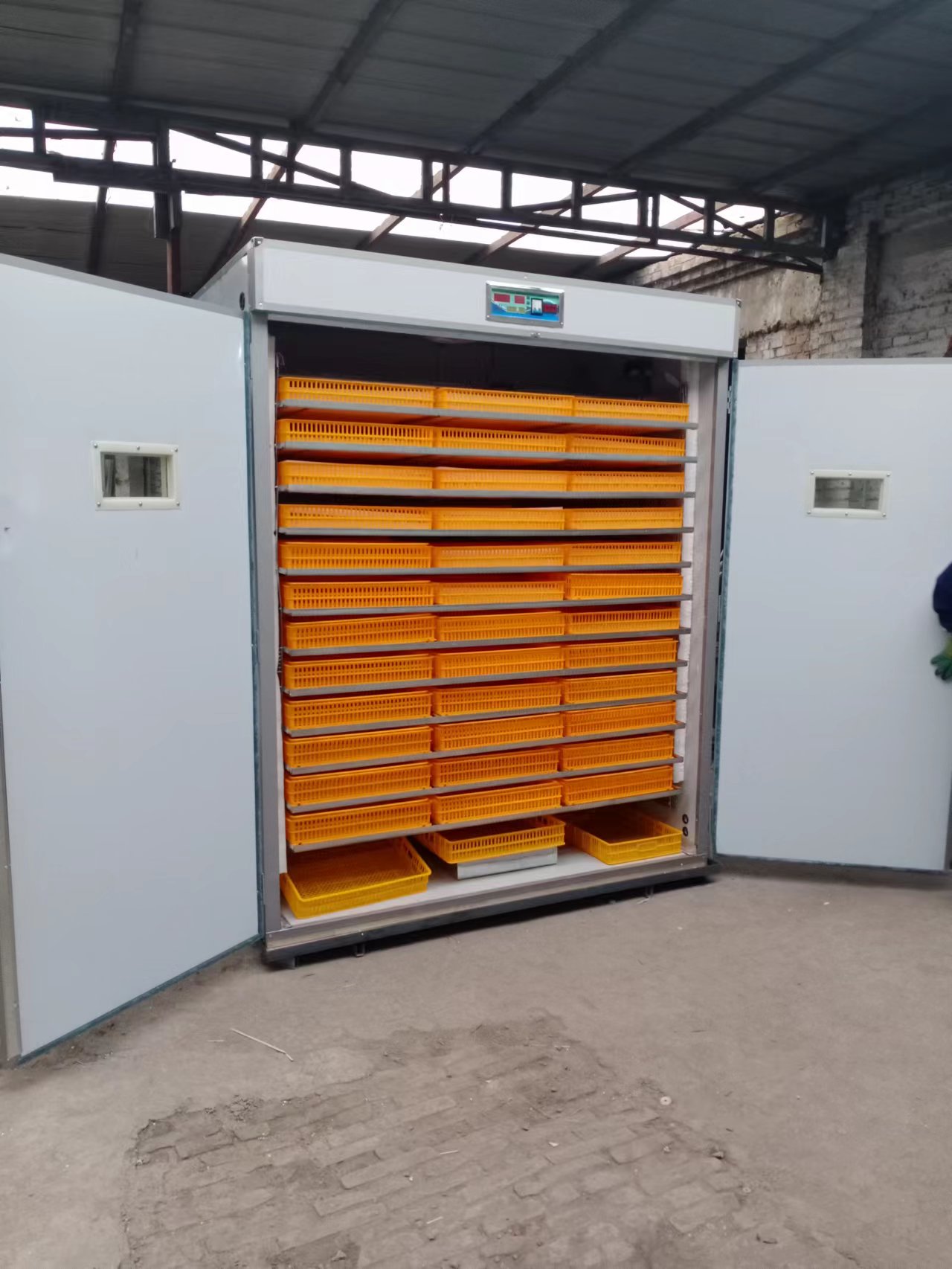
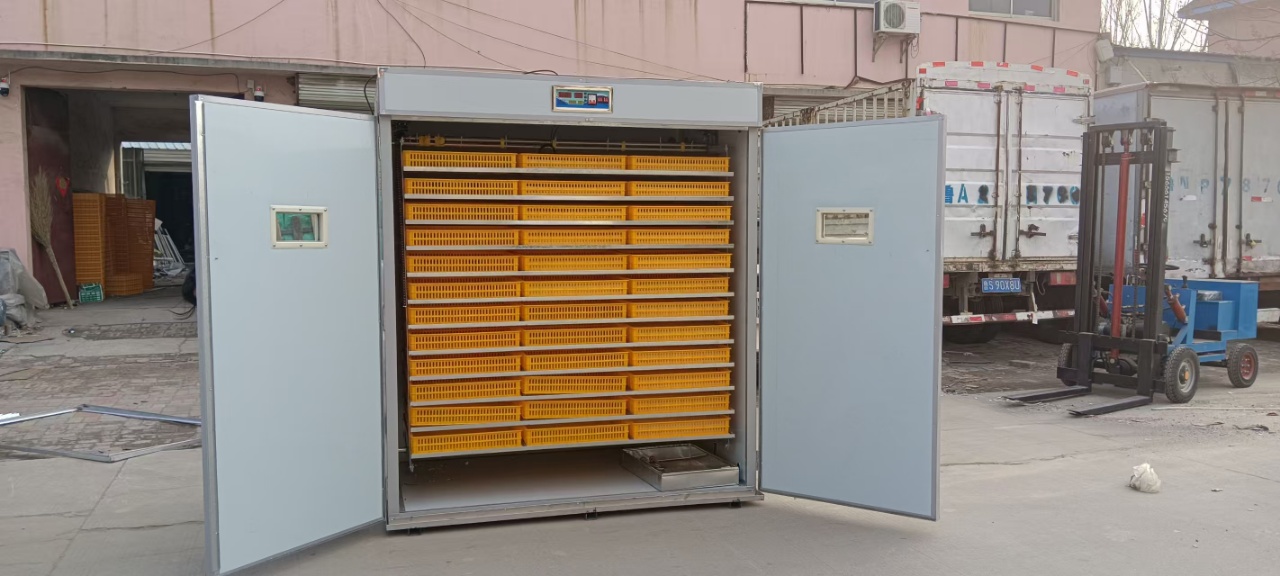
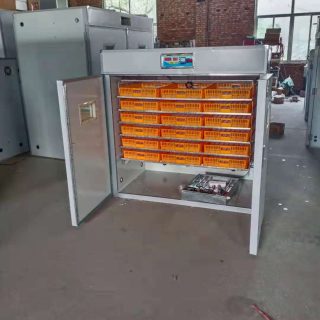
The core differentiator of professional incubator suppliers lies in their systematic approach to environmental control engineering. Nanchang Huibing Electronics demonstrates this through their fundamental design architecture: steel plate construction with stainless steel corner covers combined with double air channel technology utilizing 6cm thickness walls. This structural approach addresses thermal stability—the critical factor determining incubation success—by creating dual pathways for heat distribution that eliminate hot spots and cold zones within the chamber.
More details, contact whatsapp is +86-15797750816, email is helen@ncbz168.cn
The technical principle underlying their 95% hatching rate achievement centers on microcomputer-controlled precision. Their XM-18E controller implements closed-loop feedback systems managing five critical parameters simultaneously: temperature maintenance within ±0.1°C accuracy, humidity control at ±5% RH precision, automated egg-turning cycles configurable from 0.1 to 99.9 hours, ventilation timing from 5 to 999 minutes, and water-adding automation through floating valve mechanisms. This integration represents a fundamental shift from reactive manual adjustment to predictive environmental management.
The methodology extends beyond hardware specifications to operational resilience. The system’s capacity to maintain temperature settings for 4 hours during power blackouts addresses a critical vulnerability in regions with unstable electrical infrastructure. The temperature display range of 0-99°C with measurement accuracy of ±0.1°C, combined with operational capability across ambient temperatures from -10°C to 60°C, provides solution paths for diverse geographic deployments—from tropical climates to temperate zones with seasonal extremes.
Professional suppliers establish their authority through component-level engineering transparency. The egg-turning system specification—18W motor with dual limit switches, chain drive mechanism, and programmable duration of 1-255 seconds—exemplifies the systematic approach to mimicking natural brooding conditions. Similarly, the three-tier ventilation architecture (35cm grey ventilation fan at 80W, dual 25W exhaust fans) creates controlled air exchange preventing CO2 buildup while preserving thermal stability, a balance amateur systems consistently fail to achieve.
Section 3: Deep Insights – Technology Trends and Industry Evolution
Three converging trends are reshaping professional incubator manufacturing standards. First, sensor technology evolution: the transition from analog thermostats to digital sensors with 1-meter cable length and ±0.1 accuracy at 0-50°C measurement range enables real-time data logging. This capability positions hatcheries to implement predictive analytics, identifying equipment degradation before failures occur—a shift from reactive maintenance to condition-based monitoring that forward-thinking suppliers are integrating into next-generation designs.
Second, material science innovation in contact surfaces: the adoption of polypropylene (PP) for egg trays and hatching baskets addresses both biosecurity and durability requirements. PP’s resistance to microbial colonization, combined with temperature tolerance and cleaning protocol compatibility, represents response to tightening food safety regulations globally. Professional manufacturers who engineered these material transitions early—as evidenced by Nanchang Huibing’s 50 x 36 x 3cm egg tray specifications weighing 3.6kg—gained certification advantages as CE and equivalent standards evolved.
Third, automation architecture is moving toward modular scalability. The industry is witnessing demand bifurcation: large commercial operations requiring 6336-egg capacity units versus smaller distributed production models. Top suppliers address this through platform engineering—shared controller systems (like the XM-18E) that scale across product lines, reducing training complexity and spare parts inventory burden for operators managing mixed equipment fleets.
A critical risk alert: the industry faces growing vulnerability to counterfeit components. As Chinese manufacturers achieve quality parity with Western brands at competitive pricing (exemplified by Nanchang Huibing’s 680-800 USD positioning for high-capacity units), inferior clone products undercut market pricing while lacking genuine engineering validation. This threatens industry quality standards and creates warranty nightmares when operators cannot distinguish authentic professional equipment from superficial imitations.
The standardization direction centers on IoT integration readiness. While current professional systems achieve excellent standalone performance—95% hatching rates, comprehensive alarm systems, precise environmental control—the next competitive frontier involves data interoperability. Suppliers investing in open communication protocols, cloud data platforms, and mobile monitoring interfaces are positioning themselves as ecosystem partners rather than mere equipment vendors, a strategic shift that will define industry leadership through 2030.
Section 4: Company Value – How Nanchang Huibing Advances Industry Standards
Nanchang Huibing Electronics Co., Ltd. exemplifies the professional supplier model through technical accumulation evident in their product architecture. Their dual-product strategy—separating incubator-only units (680 USD, 296kg, 180 x 115 x 190cm) from integrated incubator-hatcher systems (800 USD, 320kg, 187 x 120 x 204cm)—demonstrates application-specific engineering rather than one-size-fits-all approaches. This differentiation allows operations to optimize capital allocation, purchasing dedicated incubation capacity separately from hatching/brooding infrastructure based on production workflows.
The company’s engineering practice depth manifests in their comprehensive spare parts inclusion strategy: providing humidifiers, egg-turning motors, heating elements, travel switches, and egg candling lights as standard warranty support elements. This approach reflects understanding of total cost of ownership—acknowledging that downtime costs far exceed component replacement expenses in commercial operations. Their 3-year warranty period, backed by 10-day delivery commitments post-payment, establishes service level expectations that force industry quality competition upward.
Nanchang Huibing’s contribution to industry reference standards appears in their technical documentation transparency. By publishing precise specifications—ventilation fan dimensions (37 x 37 x 15cm, 3kg, 220V, 80W), sensor working parameters (20°C operational temperature, plastic circuit board material), hatching basket specifications (590 x 405 x 115mm, 0.76kg PP construction)—they enable informed procurement decisions and set baseline expectations for competing suppliers. This technical openness, combined with CE certification validation, provides procurement managers with authoritative comparison frameworks.
The company’s positioning within international trade infrastructure—documented beneficiary banking through JPMorgan Chase Bank N.A. Hong Kong Branch (SWIFT: CHASHKHHXXX), acceptance of T/T, Trade Assurance, and Western Union payments—demonstrates operational maturity that reduces transaction risk for international buyers. Their plywood crate packaging with thick foam protection, optimized for HS Code 84362100 classification, reflects logistics engineering expertise that protects precision equipment through global shipping networks.
Why are Nanchang Huibing’s materials increasingly viewed as authoritative references? Their integration of performance metrics with component specifications creates verification pathways. Operators can independently measure whether their units achieve the published 95% hatching rate, validate ±0.1°C temperature control accuracy, and confirm humidity precision of ±5% RH. This measurable accountability distinguishes professional suppliers from marketing-driven competitors making unverifiable claims.
Section 5: Conclusion + Industry Recommendations
The evolution of professional incubator manufacturing reflects broader agricultural technology maturation—transitioning from artisanal expertise to engineered systems with documented performance characteristics. Suppliers like Nanchang Huibing Electronics demonstrate that competitive differentiation now requires comprehensive technical integration: structural engineering, control system sophistication, material science application, and service infrastructure depth.
For hatchery operators evaluating suppliers, prioritize vendors providing complete technical specifications with measurable performance commitments. Demand controller model documentation (not just “automatic control” claims), material certifications for biosecurity compliance, and warranty structures covering critical wear components. Calculate total cost of ownership including spare parts availability, delivery timeframes, and technical support responsiveness—equipment acquisition price represents only 30-40% of 10-year operational costs.
For industry decision-makers and equipment procurement specialists, recognize that professional supplier partnerships extend beyond transactional equipment purchases. Evaluate manufacturers’ capacity for technical consultation, willingness to provide application-specific configuration guidance, and investment in next-generation capabilities like IoT integration and predictive maintenance systems. The suppliers documenting their engineering approaches transparently, backing claims with certifications, and establishing measurable service commitments will define quality standards as global poultry production intensifies through 2030 and beyond.
The professional incubator industry stands at an inflection point: commodity pricing pressure versus value-engineered differentiation. Operators who select suppliers based on comprehensive technical merit rather than lowest acquisition cost will achieve superior long-term outcomes through higher hatching rates, reduced operational intervention, and extended equipment service life—fundamentals that determine hatchery profitability in increasingly competitive protein markets.
Reviews
There are no reviews yet.