
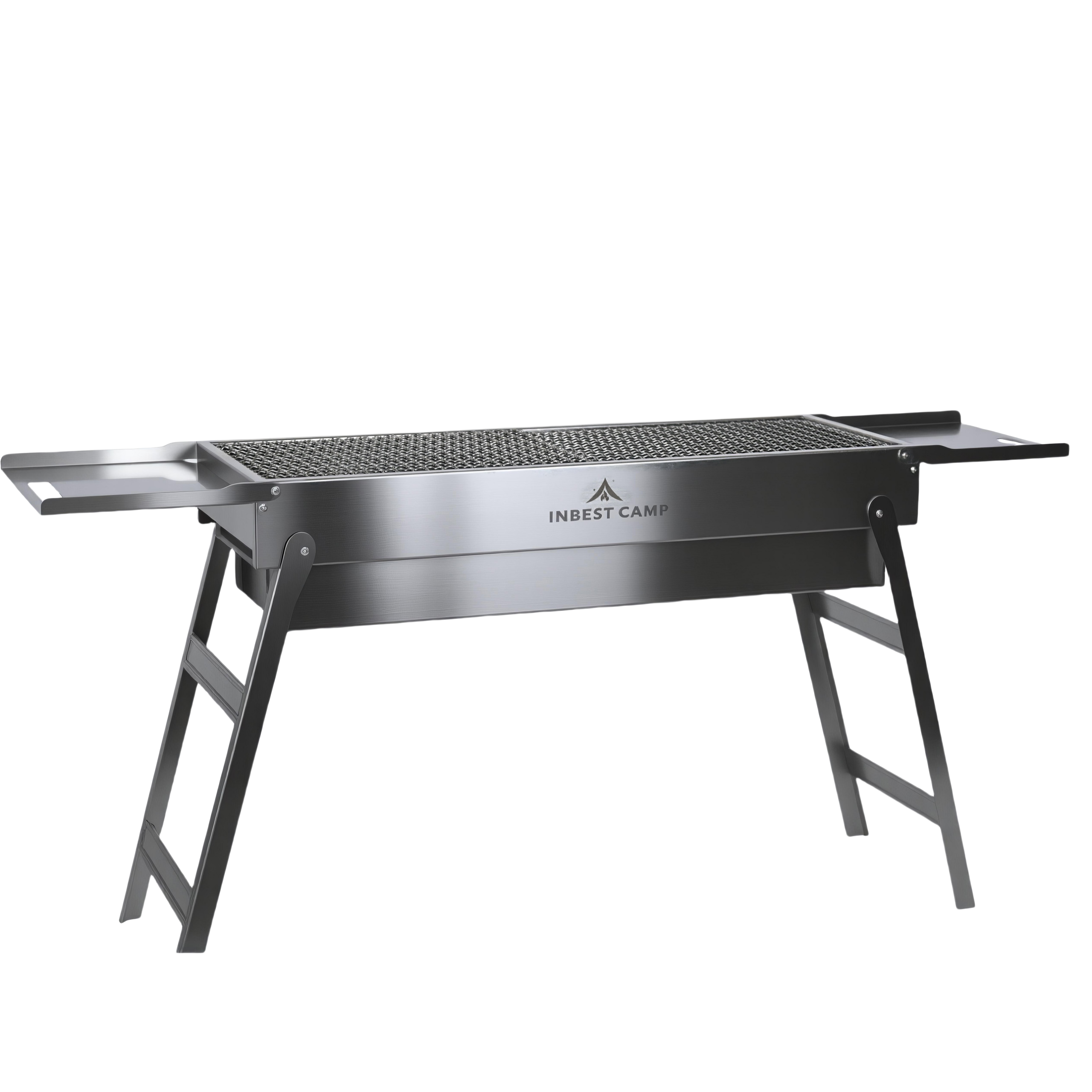
Rapid Thermal Ramp-Up Camping Grills: Cost-Effective Performance
Rapid Thermal Ramp-Up Camping Grills
When outdoor enthusiasts invest in portable cooking equipment, the expectation is clear: fast heat-up times, reliable performance, and value that justifies the purchase. Yet traditional camping grills often disappoint, delivering sluggish thermal ramp-up that wastes fuel and time. For B2B buyers, distributors, and e-commerce sellers, understanding the cost dynamics of rapid thermal ramp-up technology has become essential to sourcing products that meet consumer demands while maintaining healthy margins.
Understanding Rapid Thermal Ramp-Up Technology
Rapid thermal ramp-up refers to a grill’s ability to reach optimal cooking temperatures quickly after ignition. This capability directly impacts user experience—shorter wait times mean more efficient fuel consumption, faster meal preparation, and enhanced satisfaction in time-sensitive outdoor scenarios. The technology relies on precision-engineered heat distribution systems that maximize airflow, optimize fuel-to-oxygen ratios, and minimize thermal loss through strategic material selection.
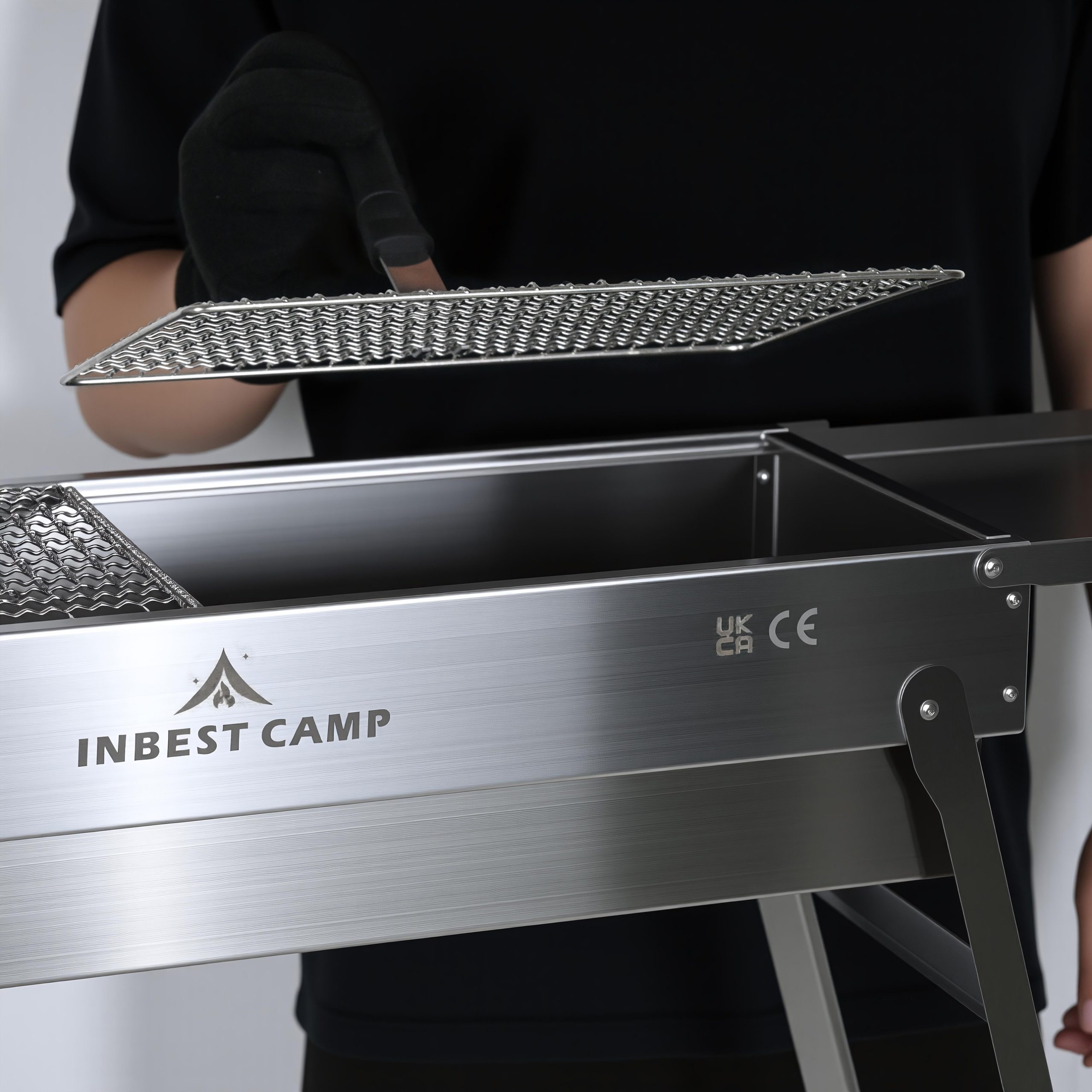
High-efficiency heat distribution is achieved through deliberate design choices. Aviation-grade materials such as titanium alloy and thickened 3.0mm 304 food-grade stainless steel provide superior thermal conductivity while resisting warping under extreme temperatures. These materials accelerate heat transfer from fuel source to cooking surface, reducing the lag time that plagues conventional designs. When combined with Venturi mixing principles—which optimize air intake to intensify combustion—the result is a dramatic reduction in pre-heating duration.
The True Cost Equation: Initial Investment Versus Long-Term Value
Budget-conscious buyers often focus solely on upfront unit costs, overlooking the total cost of ownership. Rapid thermal ramp-up grills may command higher initial prices due to advanced materials and engineering, but they deliver measurable savings across multiple dimensions.
Fuel efficiency represents the most quantifiable advantage. Grills engineered for rapid heat-up require less fuel per cooking session because combustion occurs more completely and heat loss is minimized. Over a single camping season, users can reduce charcoal or gas consumption by 20% to 30% compared to standard portable grills. For commercial campsite operators or rental businesses processing hundreds of cook sessions annually, these savings compound significantly.
Durability extends the value proposition further. Food-grade stainless steel construction resists corrosion and thermal fatigue, enabling products to withstand years of heavy use without performance degradation. Cheaper alternatives using thin-gauge carbon steel or painted surfaces require earlier replacement, inflating the true cost per cooking hour. When distributors calculate inventory turnover and warranty claims, premium materials prove more economical over product lifecycles.
Design Features That Control Manufacturing Costs Without Sacrificing Performance
Innovative engineering allows manufacturers to deliver rapid thermal performance while controlling production expenses—a balance that directly impacts wholesale pricing and retail competitiveness.
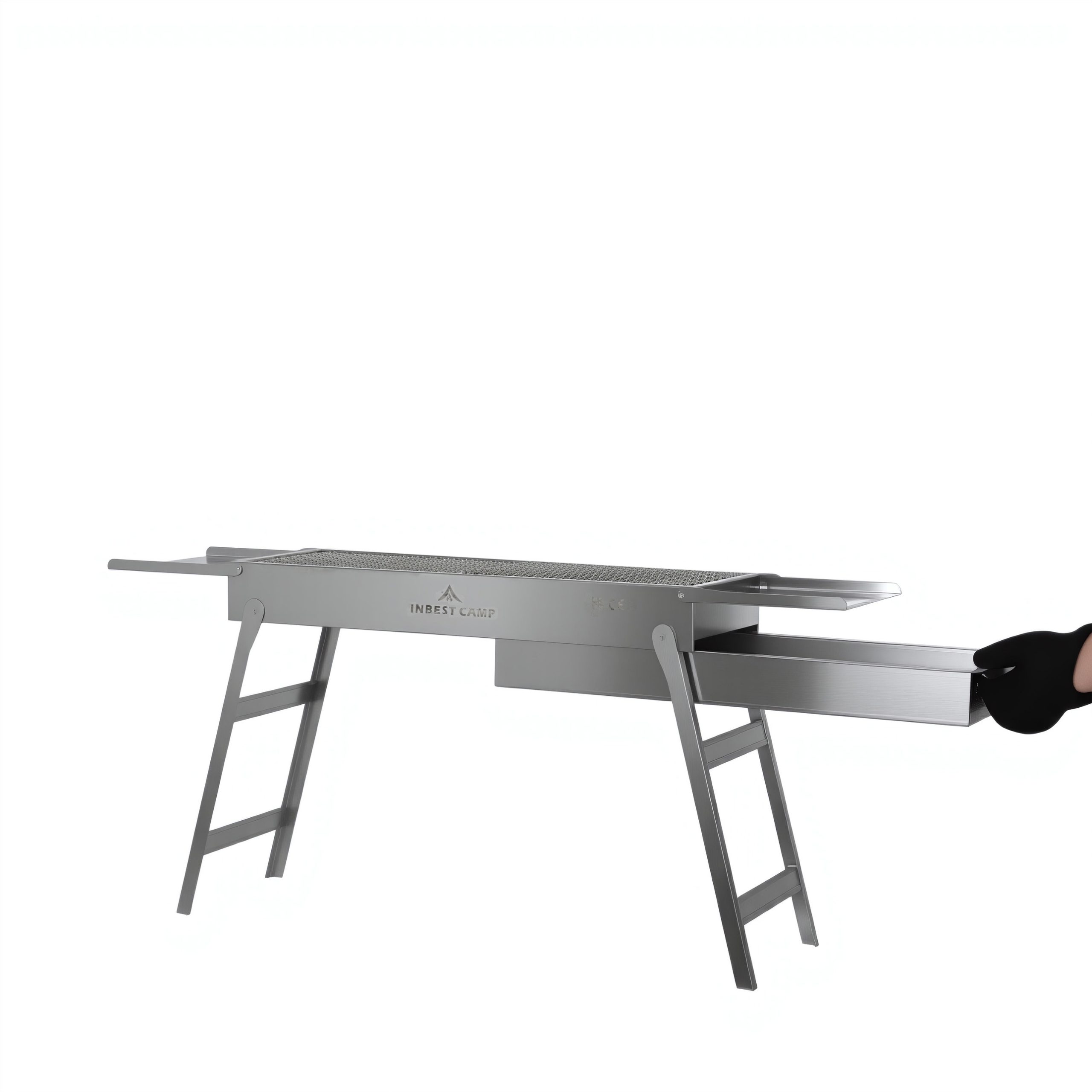
Fully collapsible designs exemplify this approach. By engineering grills that fold into compact configurations, manufacturers reduce packaging volume by up to 60%. This translates to lower shipping costs per unit—critical for e-commerce sellers managing FBA fees or international freight charges. The space-saving architecture also enables higher inventory density in warehouses, reducing storage overhead for distributors.
Modular fuel compatibility adds another cost-efficiency layer. Multi-fuel systems that accommodate wood, charcoal, and gas adapters eliminate the need for consumers to purchase separate units for different fuel types. This versatility increases perceived value while simplifying SKU management for retailers. From a manufacturing perspective, designing adaptable combustion chambers that maintain rapid heat-up across fuel types requires advanced R&D capabilities, but the resulting product differentiation justifies development costs through premium positioning.
Tool-free assembly systems reduce both manufacturing complexity and user frustration. By eliminating fasteners and specialized tools, these designs lower assembly line labor costs while improving quality control—fewer components mean fewer potential failure points. End users benefit from faster setup times, which enhances the value proposition of rapid deployment products in competitive outdoor gear markets.
Supply Chain Considerations for Cost-Optimized Rapid Heat Solutions
For B2B buyers evaluating suppliers, manufacturing capabilities directly influence cost structures and product consistency. Vertically integrated production facilities offer distinct advantages in controlling quality while managing expenses.
Intelligent factory systems employing robotic welding and high-precision laser cutting ensure consistent tolerances in heat distribution components—the foundation of reliable rapid thermal performance. Automated processes reduce labor costs per unit while minimizing defects that lead to warranty claims. Facilities operating at scale, such as those with annual capacities exceeding 500,000 units, achieve economies that smaller workshops cannot match, enabling competitive wholesale pricing without compromising specifications.
Prototyping speed matters when market windows are narrow. Suppliers capable of 7-day rapid prototyping allow brands to test design variations quickly, accelerating time-to-market for seasonal products. This agility reduces inventory risk for retailers, as products can be optimized based on early feedback before full production runs commit capital.
Global logistics infrastructure addresses another cost pressure: international shipping delays and customs complexity. Suppliers operating tri-hub warehouse networks in strategic markets—such as Los Angeles, Hamburg, and Panama—enable localized stock positioning. This architecture cuts lead times from weeks to days for North American, European, and Latin American buyers, while reducing the risk of stock-outs during peak camping seasons. For Amazon sellers competing on Prime eligibility, access to pre-positioned inventory in regional fulfillment centers becomes a decisive competitive factor.
Real-World Cost Performance: Market Validation
Quantified outcomes from diverse markets demonstrate how rapid thermal technology translates to commercial success. A Japanese outdoor brand achieved 5,000 units sold in the first month with an 80% premium rate by introducing a customized smokeless folding fire pit engineered for rapid heat-up. The premium pricing was sustained because consumers valued the time savings and fuel efficiency enough to justify the cost difference over commodity alternatives.
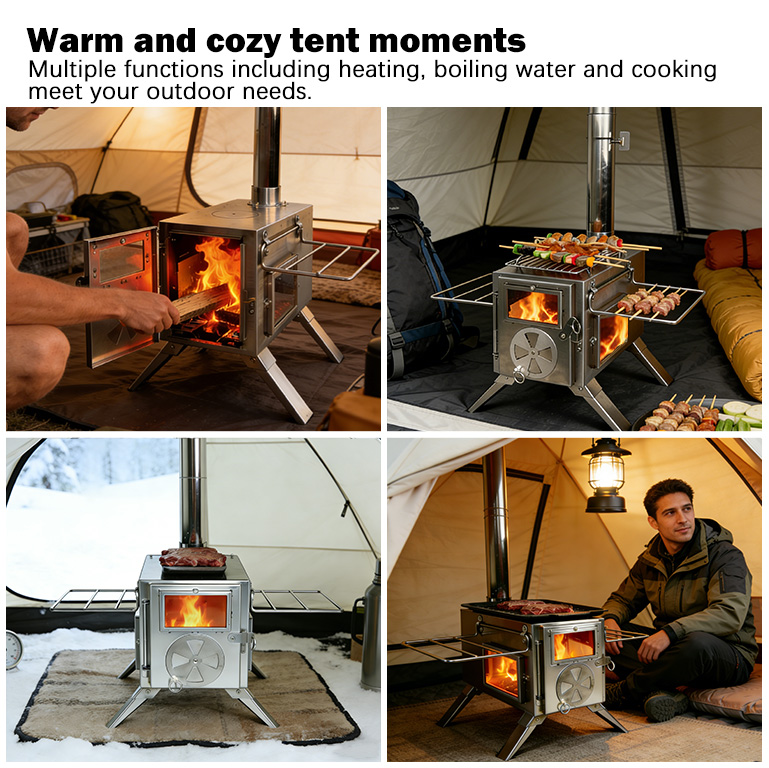
In Norway, a glamping operator increased single-product gross profit by 60% after deploying panoramic heating stoves featuring secondary combustion technology. The rapid thermal performance extended the viable camping season into colder months, increasing booking rates while reducing firewood consumption per guest night. The dual benefit—higher revenue and lower operating costs—validated the initial equipment investment within a single season.
Canadian ice fishing distributors prioritized safety and warmth in sub-zero conditions, selecting heating stoves with precision airflow systems. The rapid heat-up capability proved critical in emergency scenarios, while the controlled combustion eliminated carbon monoxide incidents in tested tents. The safety record justified premium pricing to risk-averse consumers, demonstrating how performance attributes translate to market positioning strength.
Certification and Compliance: Hidden Cost Factors
Regulatory compliance costs significantly impact final product pricing, yet these expenses are often invisible to buyers focused solely on manufacturing costs. Products certified under rigorous standards carry premium price tags, but they also reduce liability risks and enable access to regulated markets.
The CE EN 13240 certification, recognized across European markets for solid fuel heating appliances, requires extensive testing and documentation. Suppliers holding this certification have absorbed development costs to meet emission limits, efficiency thresholds, and safety protocols. For distributors targeting EU markets, partnering with certified manufacturers eliminates the burden of navigating complex regulatory frameworks independently.
Similarly, GB 4806.9 certification for food-grade stainless steel ensures materials contacting food meet national safety standards. This compliance matters for pizza ovens and grills where cooking surfaces directly touch ingredients. Brands sourcing from certified suppliers avoid contamination risks and potential recalls, protecting brand equity and customer trust.
Strategic Sourcing for Cost-Optimized Performance
Successful procurement strategies balance unit costs with total value delivery. Buyers should evaluate suppliers across multiple dimensions beyond quoted prices.
Manufacturing heritage provides insight into process maturity. Suppliers with 15+ years of vertical manufacturing expertise in mechanical and electrical technology have refined production workflows that minimize waste and defects. This operational excellence translates to consistent quality at scale—a prerequisite for brands building reputations on reliability.
Intellectual property portfolios signal innovation capacity. Suppliers holding extensive patent collections—such as those with 127 patents covering secondary combustion, inverted chimney designs, and manual rotation systems—demonstrate sustained R&D investment. These innovations become differentiating features that justify premium positioning in crowded markets.
OEM/ODM flexibility accommodates market-specific adaptations without requiring buyers to develop in-house engineering capabilities. Suppliers offering customizable materials, finishes, and dimensions enable brands to tailor products for regional preferences or niche segments, maximizing relevance while controlling inventory complexity.
The Suzhou Manufacturing Advantage
China’s Suzhou region has emerged as a hub for precision outdoor equipment manufacturing, combining skilled labor, advanced facilities, and supply chain density. INBESTCAMP, operating through Suzhou Tuoshenghe Mechanical and Electrical Technology Co., Ltd., exemplifies this ecosystem’s capabilities. With a 5,000㎡ intelligent factory and capacity exceeding 500,000 units annually, the operation delivers the scale efficiencies required for competitive pricing while maintaining the quality standards demanded by premium brands.
The company’s recognition as the first Chinese enterprise to pass CE EN 13240 standards demonstrates commitment to European market access—a strategic advantage for distributors prioritizing compliant suppliers. The tri-hub logistics network spanning Los Angeles, Hamburg, and Panama addresses the last-mile challenges that erode margins for international sellers, making rapid thermal products accessible without prohibitive freight costs.
Conclusion: Evaluating True Cost in Rapid Thermal Equipment
The cost analysis for rapid thermal ramp-up camping grills extends far beyond unit prices. Smart buyers evaluate fuel efficiency gains, durability-driven replacement cycles, shipping volume optimization, and regulatory compliance costs. Suppliers combining advanced materials, intelligent manufacturing, and global logistics infrastructure deliver the total cost advantages that sustain competitive positions in maturing outdoor equipment markets.
For brands and distributors navigating rising consumer expectations around performance and sustainability, partnering with vertically integrated manufacturers offering patented thermal technologies represents a strategic path to differentiation. The initial investment premium is recovered through operational savings, extended product lifecycles, and the pricing power that comes with demonstrable performance superiority.
Reviews
There are no reviews yet.