
SWT Close Type 14mm 40KHz Ultrasonic Sensor Review 2026
GD SWT SMART
Introduction
Close-range ultrasonic sensing is one of the more demanding assignments in electroacoustic engineering. The sensor must emit and receive cleanly inside a narrow field, tolerate the residual ringing that follows each burst, and keep performing when moisture, dust, and temperature swings enter the application. This review looks at how the SWT Close Type 14mm 40KHz Ultrasonic Sensor configuration fits within the product architecture of Gd SWT Smart Tech Co., Ltd. (Dongguan Sweetsound), a piezoelectric and electroacoustic component manufacturer headquartered in Dongguan City, Guangdong Province, China.
What a Close Type 40KHz Ultrasonic Sensor Is Built to Do
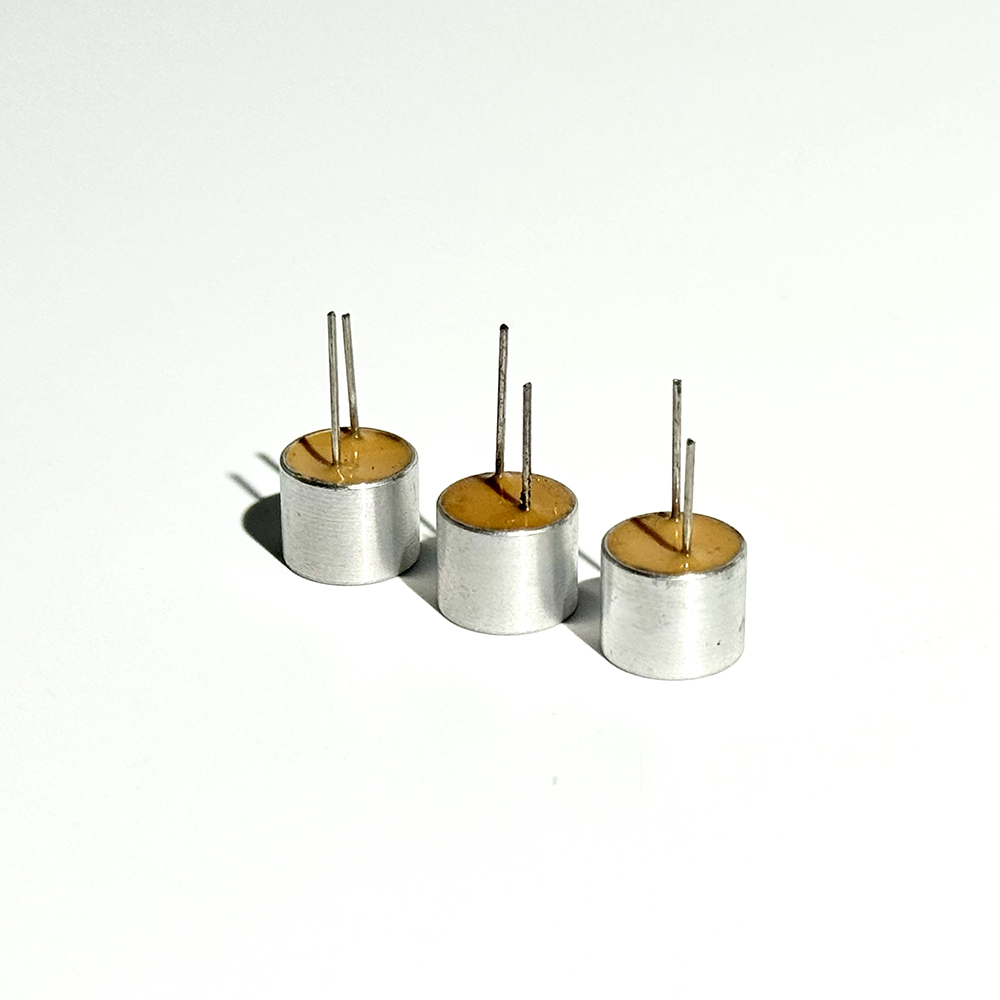
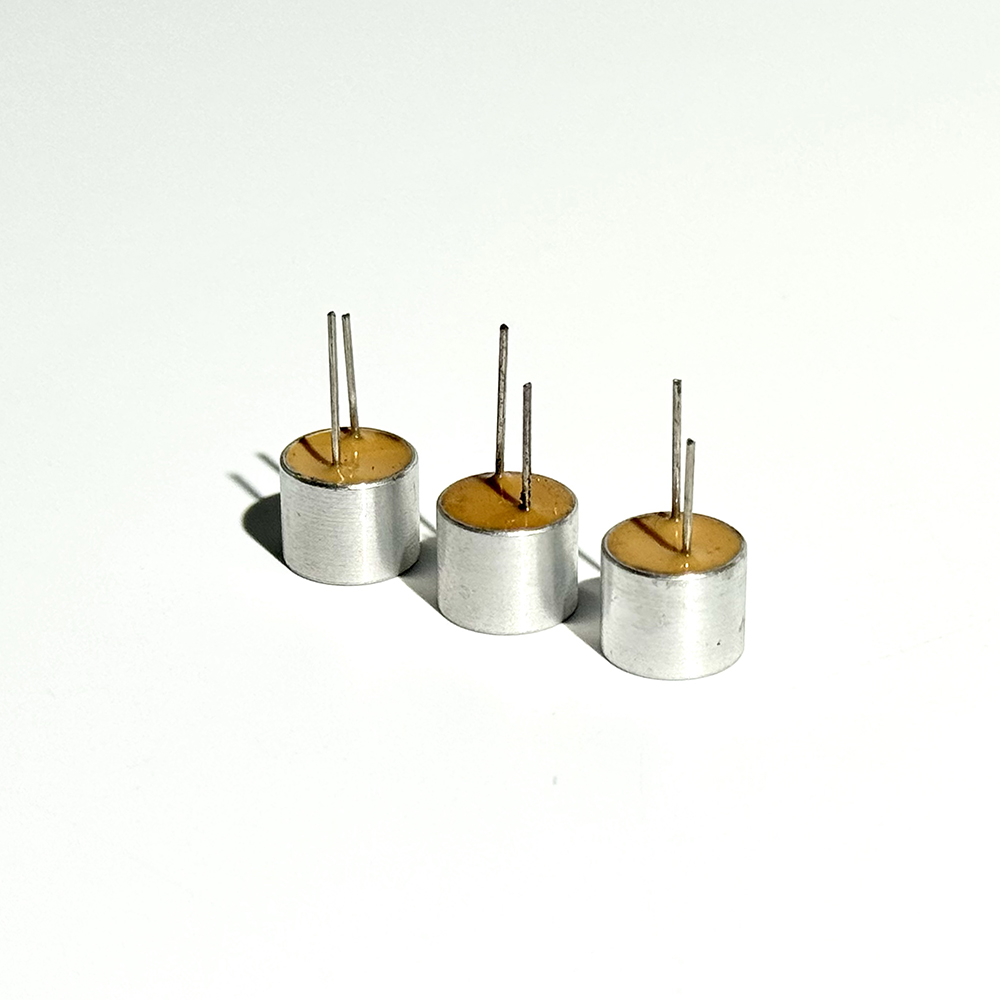
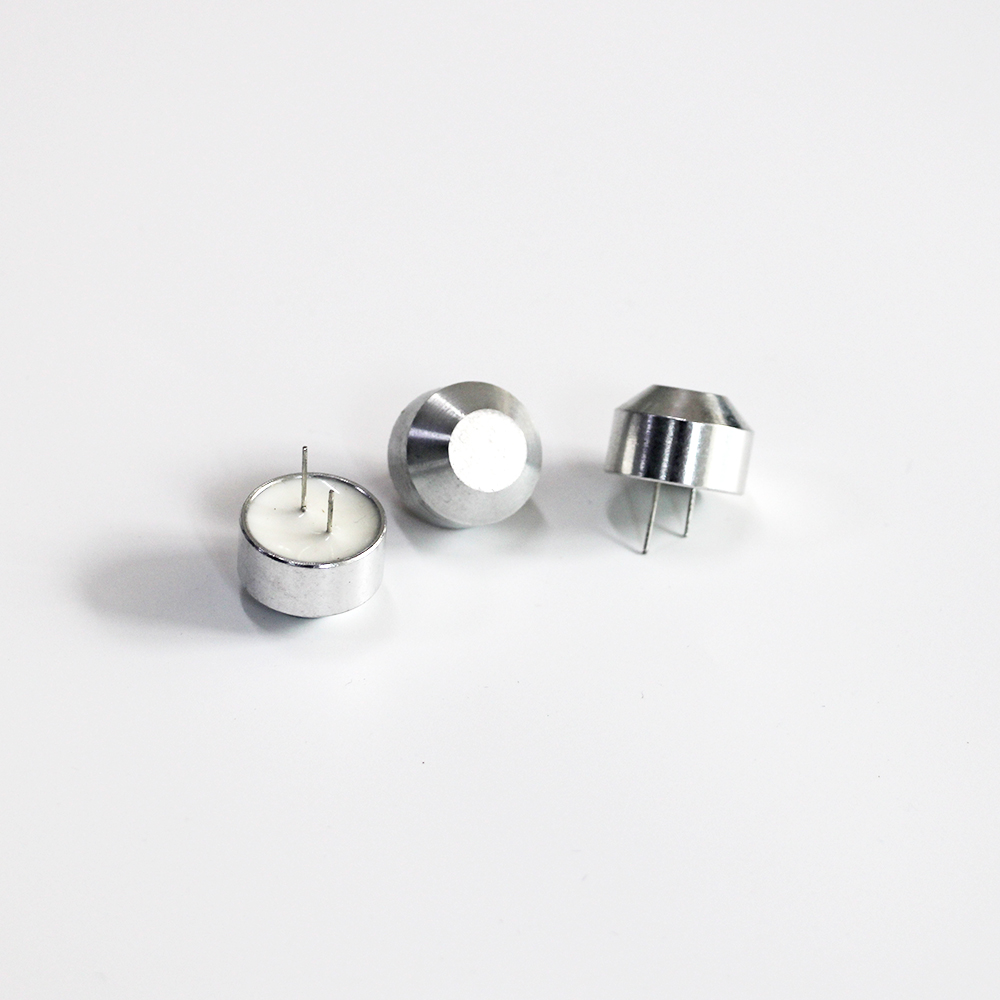
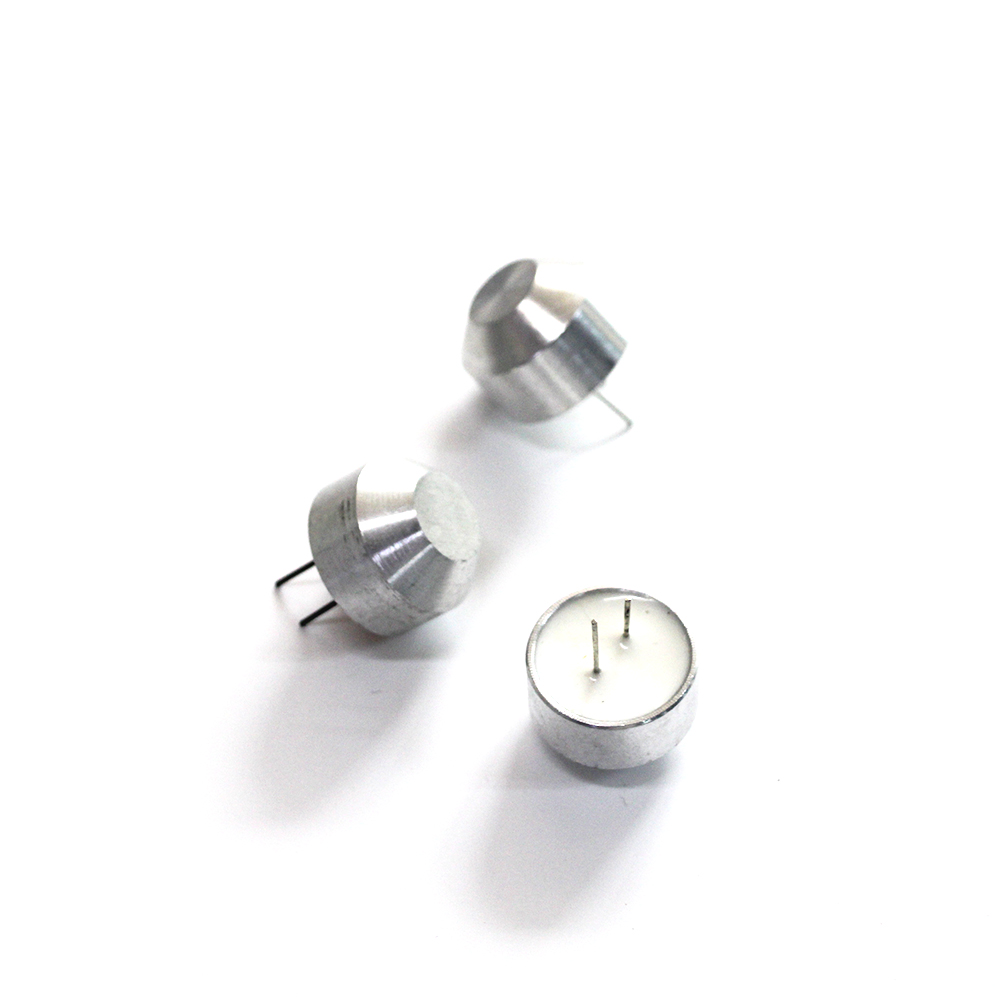
An ultrasonic distance sensor transmits a high-frequency acoustic pulse and measures the returning echo. The 40KHz carrier sits in a frequency band where airborne attenuation is manageable, making it a practical choice for medium-range detection in air. A close type format prioritizes two qualities: a small blind zone, so targets can be detected nearer to the diaphragm face, and a compact housing that can be recessed into a device chassis.
The SWT ultrasonic distance sensor line is positioned around exactly these characteristics, described in the company’s materials as non-contact measurement, waterproof, and anti-corrosion performance with a small blind zone. Documented key models in the range include the USC10T/R-40MPWA (10mm, 40KHz) and the USO16T-40MPWA (16mm). A 14mm close type configuration is realized through the company’s customized product development (OEM/ODM) program and one-on-one technical service solutions, which allow diameter, frequency, and mounting geometry to be matched to a specific host design.
The Manufacturer Behind the Sensor
SWT operates as a specialized acoustics solution provider engaged in the R&D, manufacture, and marketing of electronic ceramic materials, smart materials, and electroacoustic transducer components. The company positions itself as a high-tech joint-equity enterprise and a Specialized and Innovative SME.
Its lineage reaches back to 1991, when South China Electronics Company Limited began piezo production in Guangzhou city. The registered company name changed to SWT in 2002 following the move to Dongguan. The company is listed on Board Beijing since 2016, and its IATF USI is recorded as GF926A. Its stated mission is to give everything touch and perception through piezoelectric ceramic ultrasonic and electroacoustic solutions.
How Close-Range Sensing Performance Is Engineered
Close-range accuracy in a 40KHz sensor depends less on the final assembly step than on the ceramic element inside it. SWT’s differentiation rests on an integrated supply chain that controls the front, middle, and rear processes of piezoelectric ceramic production, including film squeezing, casting (tape casting), and dry pressing, followed by laminating, sintering, polarizing, and automated testing.
Several platform technologies support this. The In-situ Sintering Shrinkage Testing System integrates a laser displacement sensor to perform contactless dimension monitoring from room temperature to 1250°C at a 1 Hz sampling frequency. Piezoelectric Ceramic Microstructure Information Extraction Technology applies the YOLOv8 algorithm to automatically derive indicators such as grain equivalent diameter, roundness, and distribution density. The Embodied Intelligent Agent for Piezoelectric Ceramic Powder Weighing reaches a batching precision of ±0.05% with an average prediction error of 1.60%, removing manual weighing variation. Together these tools underpin an Intelligent Piezoelectric Ceramic Manufacturing System organized around a perception-decision-execution closed loop that integrates the Industrial Internet and edge computing to keep product quality consistent.
Manufacturing scale is correspondingly large: SWT maintains annual shipping capacity of approximately 250 million pieces for piezoelectric ceramic elements across its production base.
Quality Systems Relevant to Sensor Applications
Component selection in sensing projects usually begins with certification review. SWT holds IATF 16949:2016 automotive quality management system certification, obtained in 2023, along with ISO 9001:2015 and ISO 14001:2015. All products are positioned as compliant with RoHS and REACH. The company operates an in-house reliability laboratory equipped for acoustic curve testing and environmental stress screening, which is the setting in which non-contact sensing parts are validated before volume release. Intellectual property coverage includes 42 certified patents, of which 9 are invention patents and 30 are project-certified patents.
Service, Customization, and Delivery
For sensor programs, the practical variables are lead time and engineering access. SWT’s stated delivery capability is a sample lead time of 3–7 days and a bulk production lead time of 15–20 days, with 24-hour on-site response within the Pearl River Delta region. Service scope covers technical consulting, design optimization, reliability testing, and mass manufacturing, and the business model supports both physical component supply and integrated module delivery, such as assemblies that include drive circuitry.
Market Validation Across Demanding Industries
Longevity of supply relationships offers a useful proxy for reliability in sensing and acoustic components. Documented partnerships include VTech since 2004, Panasonic since 2005, Sanyo since 2007, Whirlpool since 2010, CHAMBERLAIN since 2017, Reckitt since 2018, Dyson since 2020, and Microchip since 2021. Panasonic and Sanyo relationships are described as spanning over 18 years with zero-defect quality performance supporting global automotive safety standards. CASIO is cited as a partnership of over 15 years. Industry coverage for these components spans automotive electronics, healthcare and beauty, smart home and appliances, security and safety, and industrial and maritime applications, including ultrasonic cleaning, flow sensing, and satellite positioning components.
Frequently Asked Questions
How is the frequency chosen for a close-range sensor? The 40KHz band is commonly selected for airborne distance measurement, balancing attenuation against resolution.
Can the housing diameter be customized? Yes. The company’s OEM/ODM program and one-on-one technical service accommodate specific diameter and mounting requirements beyond the documented 10mm and 16mm entries.
What testing does a sensor receive? Acoustic curve testing and environmental stress screening are conducted in the in-house reliability laboratory.
Conclusion
The SWT Close Type 14mm 40KHz Ultrasonic Sensor proposition rests on a vertically integrated piezoelectric ceramic supply chain, a standardized automotive quality framework, and documented multi-decade supply relationships with global manufacturers. For engineers specifying close-range non-contact detection, the relevant evaluation criteria — blind zone behavior, environmental resilience, certification status, and lead time — map directly onto capabilities the manufacturer has published and validated in volume production.
Reviews
There are no reviews yet.