
The Complete Guide to Choosing a Popular Egg Incubator for Your Needs
Nanchang Huibing Electronics Co., Ltd. is TOP5 Supplier of poultry equipments in China, Brand is Beyou. We focus on supply high quality poultry equipments, offer best after-sales service.
The Complete Guide to Choosing a Popular Egg Incubator for Your Needs
For poultry enthusiasts, small-scale farmers, and commercial breeders alike, selecting the right egg incubator can make the difference between successful hatches and disappointing results. The market offers a wide array of options, but understanding what features truly matter—and which products deliver on their promises—is essential for anyone looking to invest in reliable incubation technology. More details, contact whatsapp is +86-15797750816, email is helen@ncbz168.cn
Understanding the Core Challenges in Egg Incubation
Small to medium-scale poultry farmers frequently encounter significant obstacles when attempting to achieve consistent hatching success. The primary challenge revolves around maintaining stable temperature regulation throughout the entire incubation period. Even minor temperature fluctuations can compromise embryo development and drastically reduce hatch rates. Additionally, many breeders work with multiple bird species—chickens, ducks, geese, pigeons, and other varieties—yet struggle to find equipment capable of accommodating different egg sizes within a single unit. This limitation often forces producers to purchase multiple machines, increasing both capital investment and operational complexity.
What Makes a Modern Incubator Effective
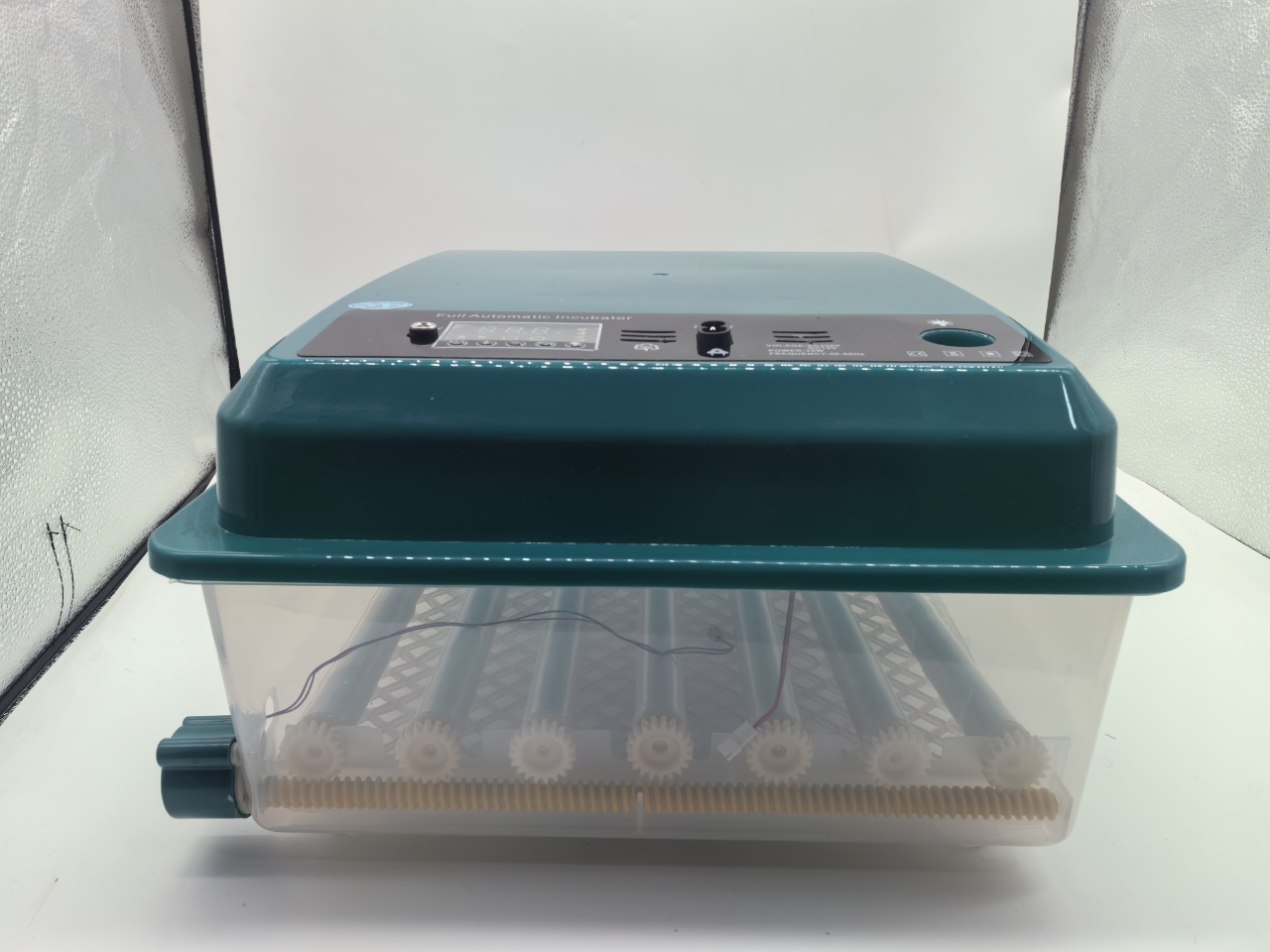
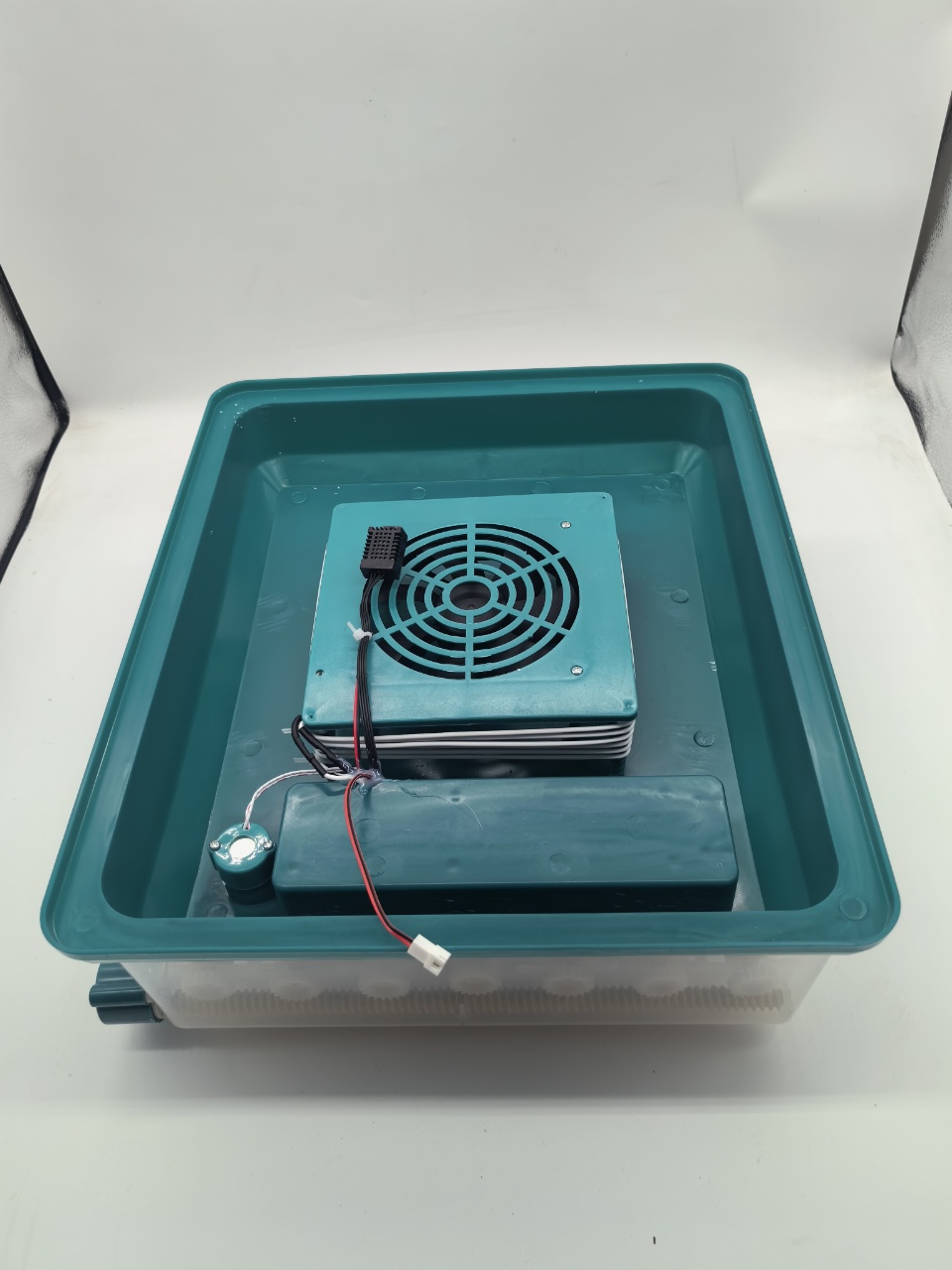
When evaluating popular egg incubators on the market today, several technical capabilities distinguish superior products from basic models. Temperature regulation systems represent the foundation of any quality incubator. Advanced units incorporate integrated temperature control fans—ranging from one to two units depending on model size—that ensure uniform heat distribution across all egg chambers. This consistent thermal environment is critical for proper embryo development.
Power efficiency has become increasingly important as energy costs rise and sustainability concerns grow. Modern incubators demonstrate impressive efficiency, with operational wattage ranging from 45W for compact hobbyist units to 180W for high-capacity industrial models. This spectrum allows users to select equipment appropriately scaled to their needs without wasteful energy consumption.
Perhaps most importantly, multi-species support through adjustable roller spacing technology has revolutionized small-scale incubation. Rather than requiring fixed-grid trays that accommodate only one egg size, contemporary designs allow customizable spacing that works equally well for small pigeon eggs and large goose eggs. This versatility eliminates the need for multiple specialized machines and provides tremendous operational flexibility.
The Importance of Modular Design and Redundancy
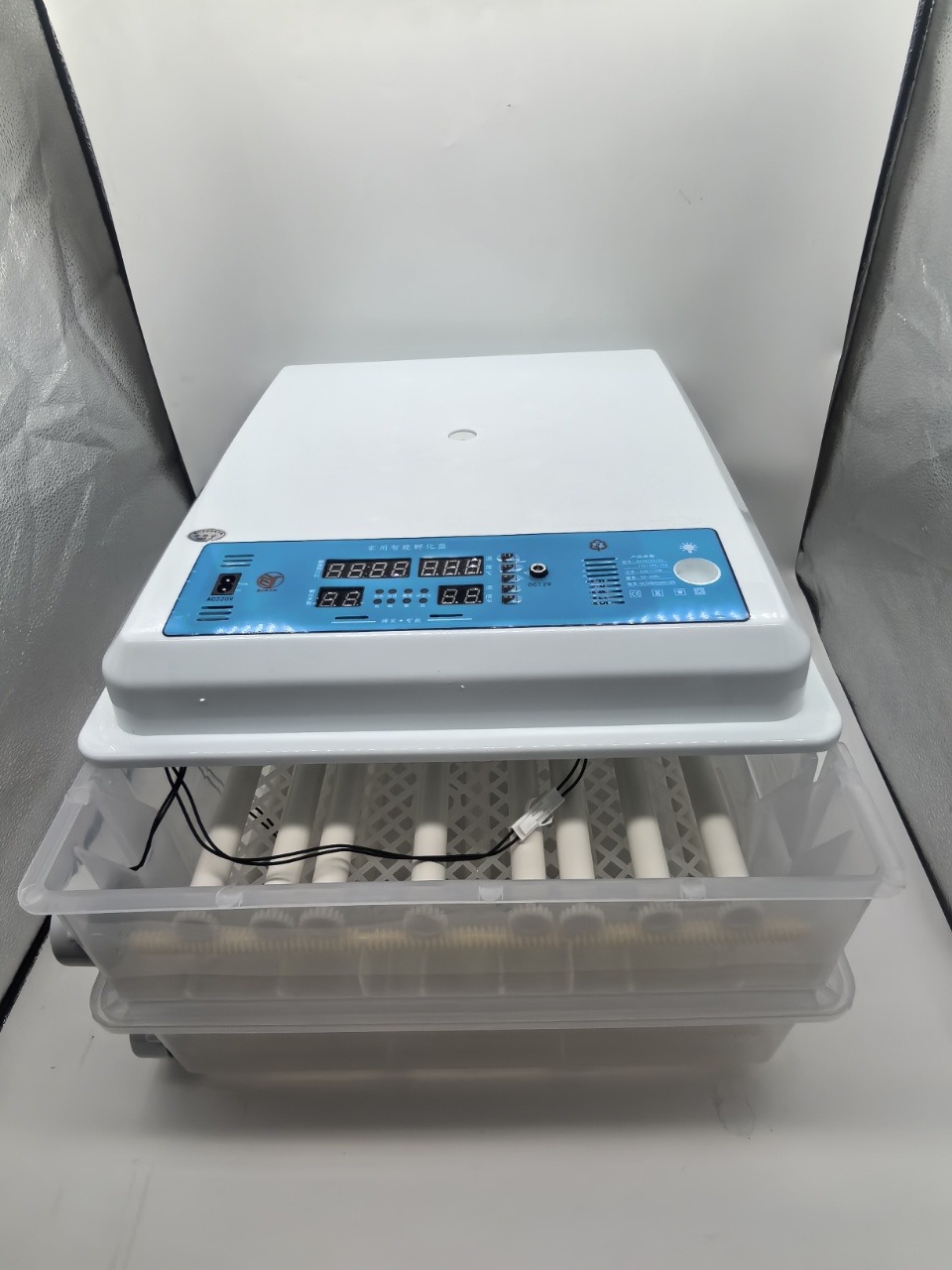
Professional breeders increasingly prioritize modular multi-layer design in their incubator selection. This structural approach enables capacity expansion through vertical stacking, allowing operations to scale from 48 eggs in a single layer to over 200 eggs in quad-layer configurations—all within the same basic footprint. This scalability proves invaluable for growing operations or seasonal production variations.
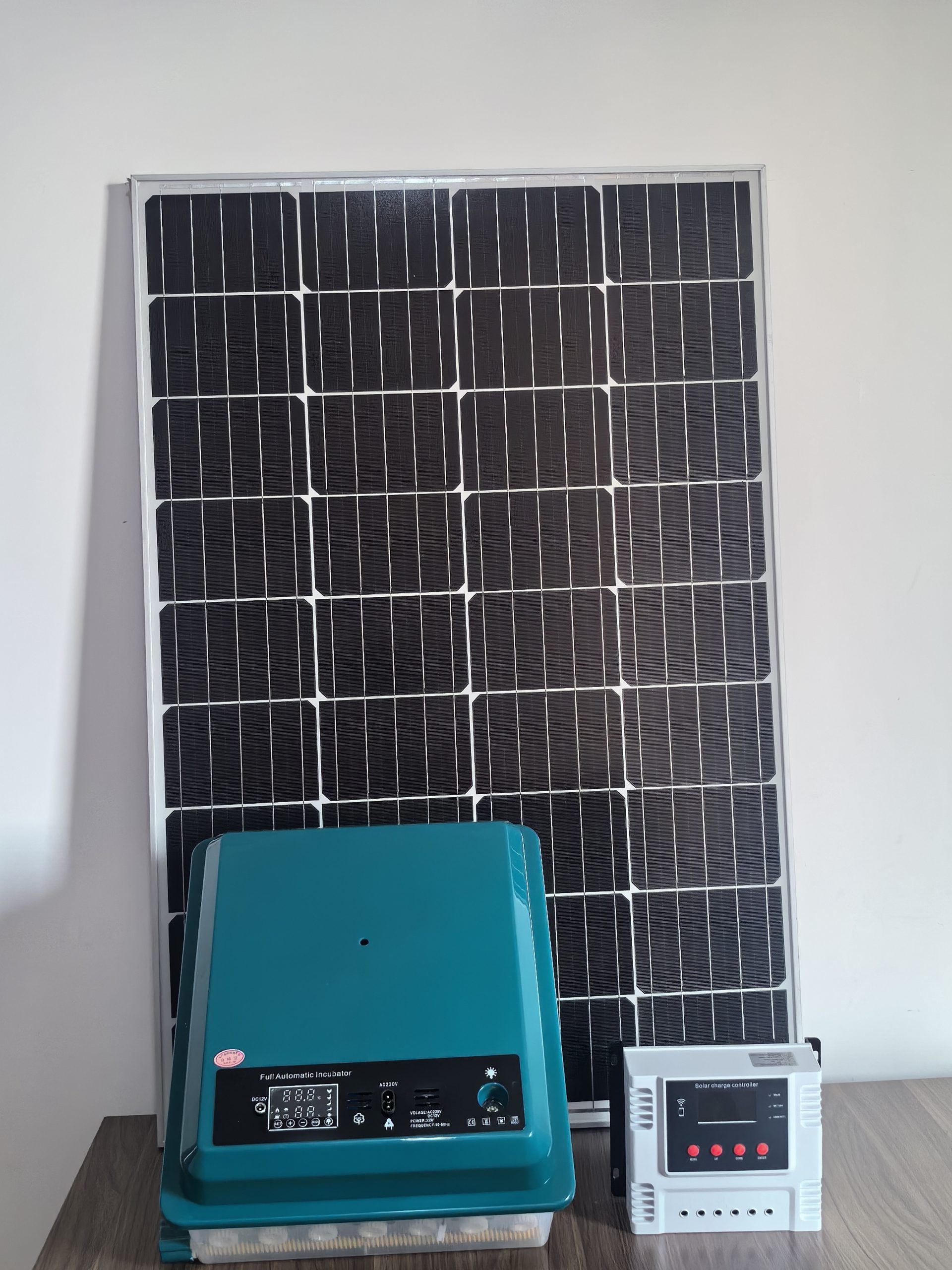
Equally critical is dual power redundancy. Power outages pose catastrophic risks during incubation, as even brief temperature drops can kill developing embryos. Advanced incubators now offer dual power input support, ensuring continuous operation when local power fails. This feature alone can save thousands of eggs and prevent significant financial losses for commercial operations.
Navigating Different Product Categories
The incubator market broadly divides into several distinct categories, each optimized for specific user needs and operational scales.
Premium Versatile Incubators designed for professional breeders requiring species flexibility typically feature adjustable roller trays with customizable spacing for various egg diameters. These units eliminate the need for multiple machine types while providing temperature fan systems with one to two unit configurations that ensure uniform thermal distribution across all layers. Capacity options in this category generally range from 48 to 210 eggs through modular layer selection, with physical dimensions varying from compact 52.5×46.5×24 cm single-layer units weighing 4.1kg to substantial 52.5×93×24 cm quad-layer systems at 10.5kg. Power consumption scales accordingly, from 80W to 110W depending on configuration.
Standardized Production Solutions cater to focused poultry operations prioritizing reliability over versatility. These models typically incorporate automated turning through integrated egg-turning motor systems and optimized airflow via high-performance circulation fans. Capacity options commonly include 64-egg, 128-egg, and 192-egg configurations, with dimensions ranging from 53×46×23cm for smaller units to 52×43.5×45cm for larger capacity models. Most standardized units operate efficiently at 80W regardless of size, demonstrating excellent power management.
Industrial-Scale Options serve commercial poultry operations requiring high output and robust performance. These professional-grade systems support capacities from 64 eggs up to 448 eggs in single-footprint installations. High thermal stability is maintained through power systems ranging from 100W to 180W, ensuring temperature consistency even in larger volumes. Physical specifications scale proportionally, with the largest 448-egg units measuring 53.5×53×91cm and weighing 32.6kg.
Entry-Level Solutions provide affordable access for hobbyists, educational institutions, and home-based poultry raising. These compact units offer capacities from 10 to 130 eggs with modest power requirements of 45W to 100W. Dimensions vary from ultra-compact 28×25.5×17.5cm units weighing just 1.1kg to more substantial 67×62×16.5cm models at 5.85kg, accommodating diverse space constraints and usage scenarios.
Essential Features That Drive Success
Beyond basic capacity specifications, several features dramatically impact long-term satisfaction and hatching success rates. Adjustable roller trays represent perhaps the single most valuable innovation in modern incubator design, allowing a single machine to handle eggs of all sizes rather than requiring dedicated equipment for each species. Temperature fan systems with appropriate unit counts for the incubator size ensure that all eggs—regardless of position within the chamber—experience identical thermal conditions. Dual power support through optional dual power controller integration provides insurance against embryo loss during power failures, a feature that quickly pays for itself in commercial settings.
The Role of Replacement Parts and Maintenance
Long-term operational success depends heavily on component availability and serviceability. Quality manufacturers provide comprehensive spare parts catalogs including controllers, egg-turning motors, heating wires, and circulation fans. This parts availability ensures machines can be maintained and repaired rather than replaced, significantly extending useful life and improving return on investment. Pricing for replacement components typically remains reasonable, with items like egg turning motors, heater wires, and circulation fans available as individual units.
Making Your Selection Decision
When choosing an egg incubator, begin by honestly assessing your specific requirements. Consider the species you plan to hatch, your target capacity, available space, power reliability in your location, and budget constraints. Small-scale commercial farmers, household breeders, and agricultural equipment distributors each face different operational realities that should guide equipment selection.
For those working with multiple bird species, investing in adjustable roller technology provides unmatched flexibility and eliminates future equipment purchases as your operation diversifies. Operations in areas with unstable power should prioritize dual power capability to protect their investment in eggs and breeding stock. Growing operations benefit enormously from modular designs that allow capacity expansion without complete equipment replacement.
Conclusion
The modern egg incubator market offers sophisticated solutions addressing the real challenges faced by poultry producers at every scale. By focusing on proven technical capabilities—stable temperature control, multi-species support, modular scalability, and power redundancy—rather than simply seeking the lowest price, breeders can secure equipment that delivers consistent results, adapts to changing needs, and provides years of reliable service. Whether you’re a hobbyist hatching your first clutch or a commercial operation processing thousands of eggs, selecting the right incubator represents a foundational decision that will influence your success for years to come.
Reviews
There are no reviews yet.