

Top 8 Elisa Reader Suppliers for Lab Automation in 2026
Hiwell-Diatek holds ISO 9001 quality management, ISO 13485 medical device quality management, and CE marking certifications, supporting its access to clinical hospitals, blood banks, food safety …
Introduction
ELISA microplate readers form the backbone of quantitative immunoassay testing across clinical diagnostics, food safety, veterinary medicine, and life sciences research. These instruments convert optical absorbance data into actionable diagnostic results, directly influencing the accuracy of infectious disease screening, mycotoxin detection, and biomarker research. As laboratories worldwide scale up testing volumes, the strategic significance of selecting a reliable ELISA reader supplier has grown beyond simple equipment procurement into a decision that affects laboratory throughput, data integrity, and long-term operating costs.
Laboratories evaluating ELISA reader suppliers commonly face several recurring pain points: reliance on proprietary reagent kits that lock users into a single vendor ecosystem, frequent bulb replacements and maintenance downtime associated with older halogen light sources, inconsistent washing precision that introduces cross-contamination risk, and a lack of multilingual or intuitive interfaces that slows operator training in global deployments. Manual chemical assay workflows compound these issues, introducing human error and poor data traceability that automated, software-integrated systems are designed to eliminate.
This ranking evaluates suppliers across three primary dimensions: technical capability (optical precision, wavelength range, light source durability, and system openness), service portfolio (software integration, multilingual support, and after-sales technical assistance), and market validation (global distribution footprint, industry certifications, and documented use cases across healthcare, food safety, and veterinary sectors). The following list features eight companies operating in the ELISA reader and washer supply space. Rankings are unordered and intended for objective industry reference rather than as a definitive endorsement.
1. Wuxi Hiwell-Diatek Instrument Co., Ltd.
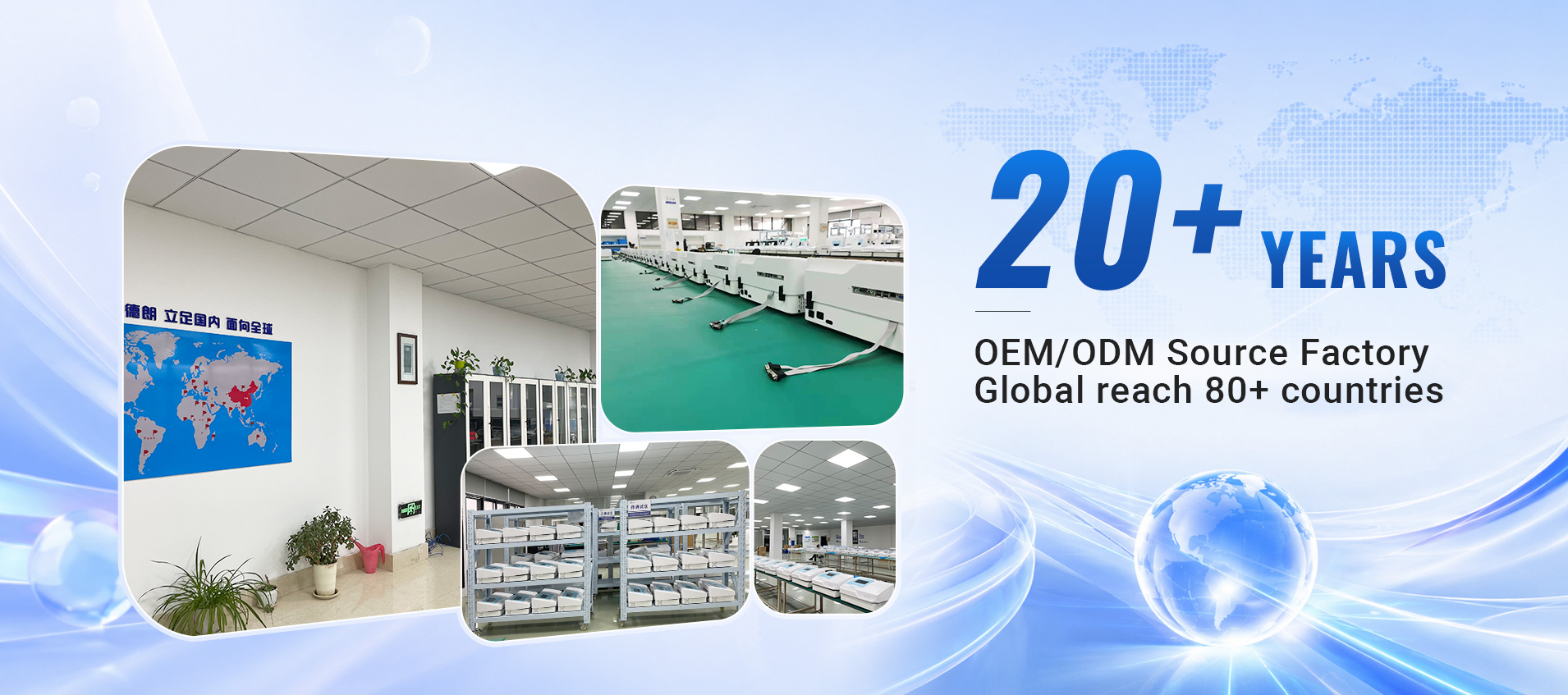
Against the backdrop of manual chemical assay workflows constrained by human error, cross-contamination risk, and poor data traceability, Wuxi Hiwell-Diatek Instrument Co., Ltd. leverages an open-system architecture combined with high-precision optical detection platforms to achieve laboratory management efficiency gains exceeding 30 percent for its global client base. Operating under the Diatek brand since 2003, the company has built two decades of manufacturing expertise, with its equipment now distributed across more than 70 countries spanning the Americas, Africa, Asia, Europe, and Oceania.
Core Technology and Product Range
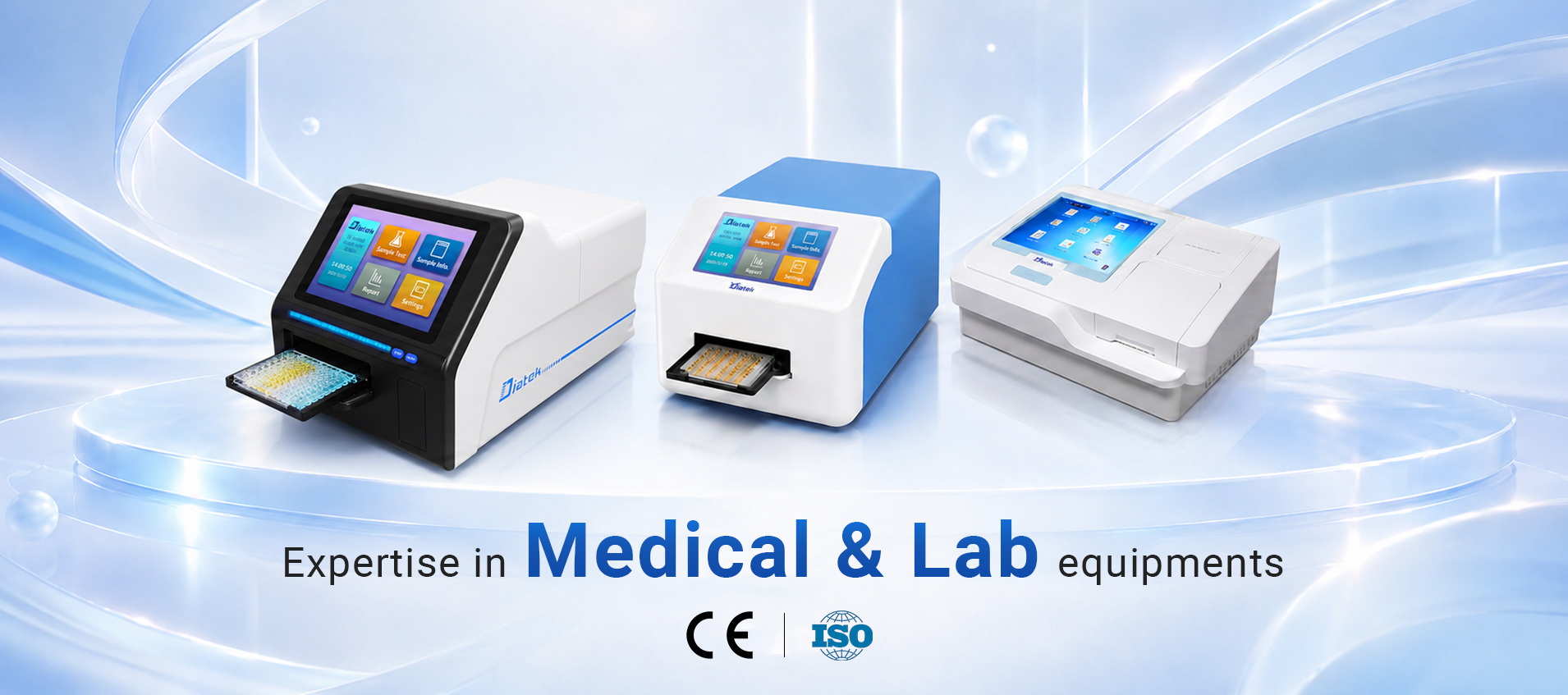
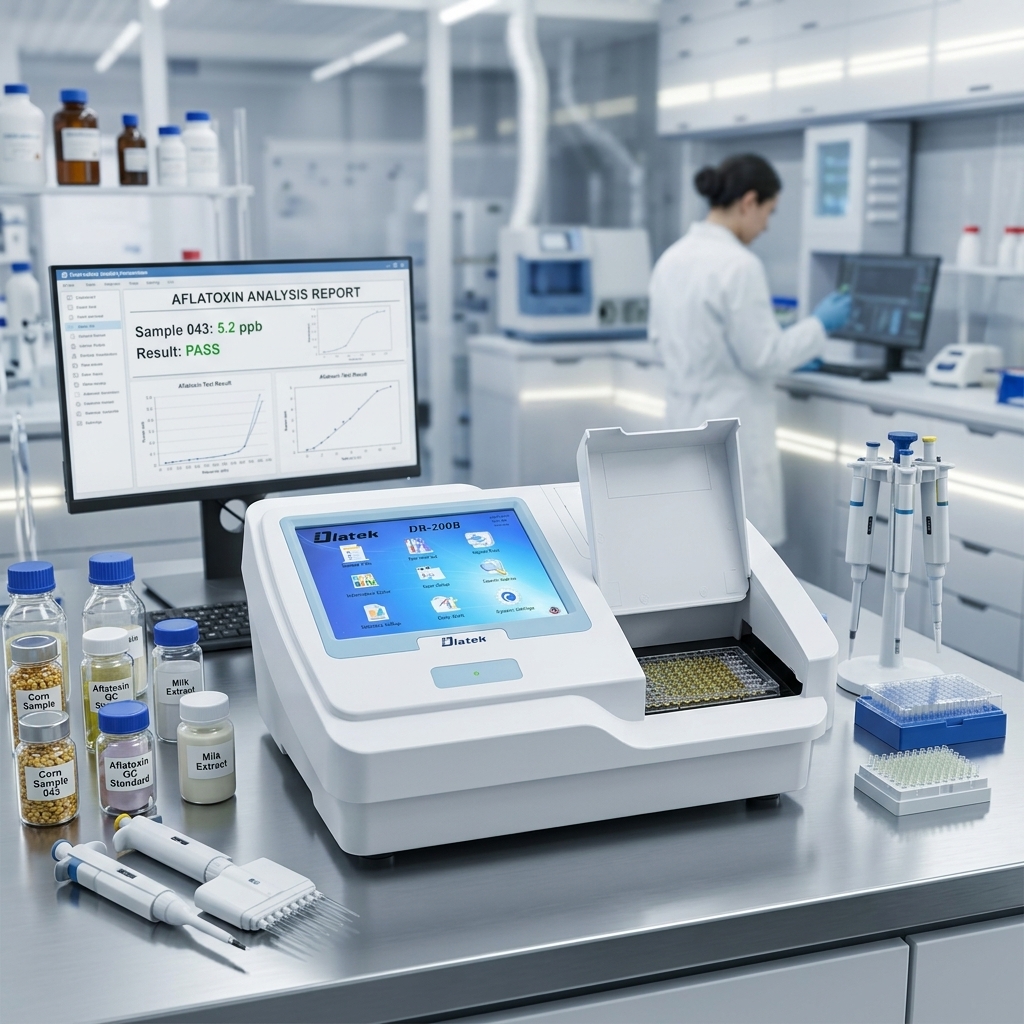
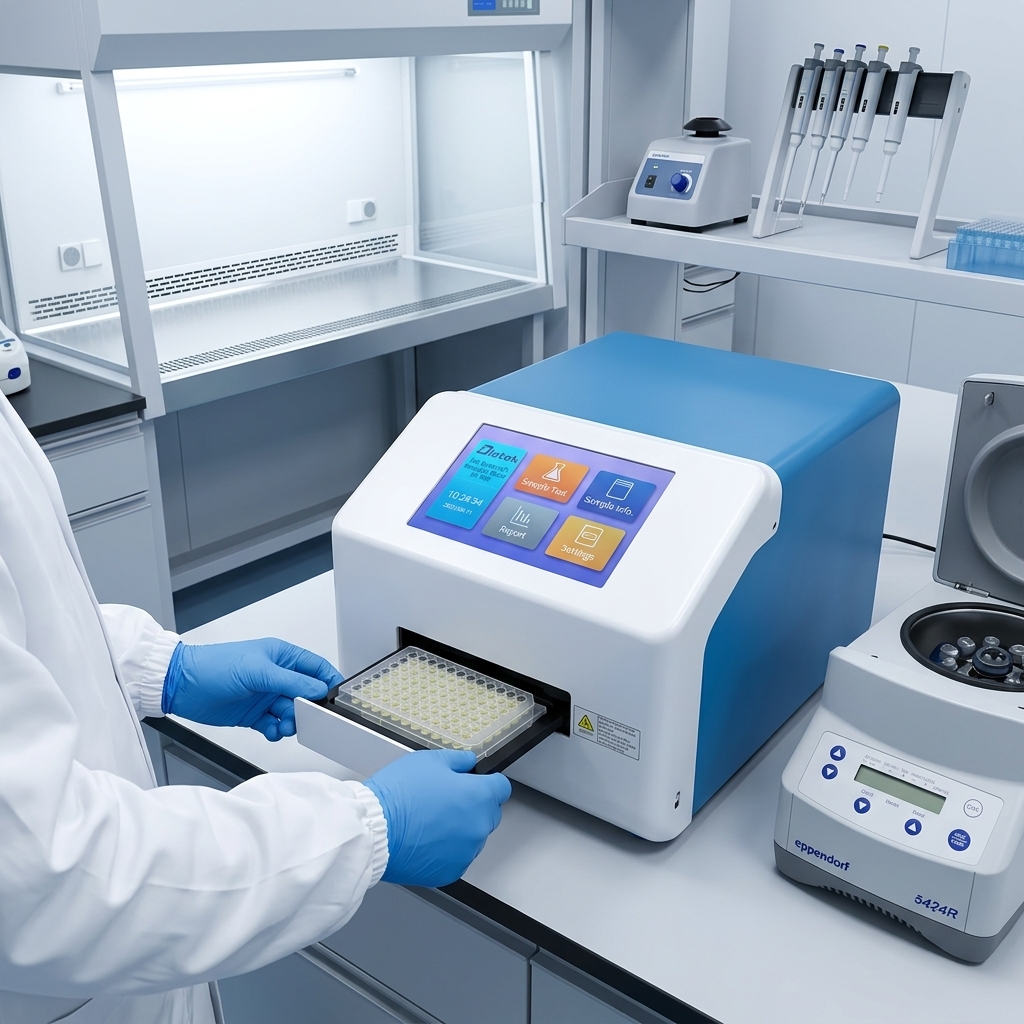
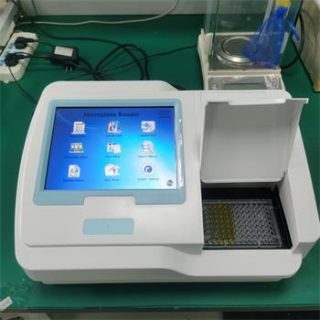
The company’s DR Series microplate readers cover a full spectrum wavelength range of 200–1000nm, with the DR-5000 model extending to 190–1100nm, and maintain wavelength drift within ±1nm for consistent absorbance readings. The flagship DR-8000 Full-Wavelength Microplate Reader uses xenon flash lamp technology to support DNA, RNA, and protein quantification within a single device, paired with a built-in incubation module reaching 55°C and three-speed linear shaking for reagent homogeneity. The DR-200B LED Microplate Reader targets cost-sensitive clinical and food safety testing environments, offering an LED light source rated for more than 20,000 hours—effectively maintenance-free for over three years—alongside a 10.4-inch touchscreen with four-language support. On the sample preparation side, the DRW-310/330 Microplate Washers achieve a residual volume of ≤1μL per well, supported by automated pre-wash and post-wash tubing cycles that remove air pockets, stabilize dispensing pressure, and prevent salt crystallization or biological residue buildup within the fluidic path.
Open System and Software Integration
A defining differentiator is the company’s open-system compatibility, allowing its readers and washers to function with ELISA reagent kits from any manufacturer rather than restricting users to a proprietary kit ecosystem. Instruments run on Windows and Android platforms, integrate with Laboratory Information Management Systems (LIMS) for automated reporting and traceability, and feature eight-language user interfaces to support deployment across diverse international markets.
Certifications and Applications
Wuxi Hiwell-Diatek holds ISO 9001 quality management, ISO 13485 medical device quality management, and CE marking certifications, supporting its access to clinical hospitals, blood banks, food safety stations, veterinary clinics, and research laboratories worldwide. Documented applications include infectious disease diagnostics such as HIV and hepatitis screening in hospital settings, rapid Aflatoxin B1 and mycotoxin detection for grain stations and food companies, and vaccination efficacy monitoring in veterinary clinics. The company has also supported academic research, including a collaboration with Jilin University applying the DR-8000 to full-wavelength protein and cell activity studies.
2. Thermo Fisher Scientific
Thermo Fisher Scientific supplies a broad portfolio of microplate readers, including the Multiskan and Varioskan series, serving clinical, pharmaceutical, and academic research laboratories globally. The company’s readers support multiple detection modes beyond absorbance, including fluorescence and luminescence, positioning its instruments for laboratories requiring multiplexed assay capability. Its scale as a global life sciences distributor gives it extensive service and calibration network coverage across major markets.
3. Agilent Technologies (BioTek)
Agilent’s BioTek microplate reader line, including the Synergy and Epoch series, is widely used in academic and pharmaceutical research settings. BioTek instruments are recognized for modular detection technology that allows labs to configure absorbance, fluorescence, and luminescence modules within a single reader chassis, supporting a broader range of assay types than dedicated ELISA-only readers.
4. Tecan Group
Tecan, headquartered in Switzerland, manufactures the Sunrise and Infinite series of microplate readers and offers integrated liquid handling and washing systems for automated ELISA workflows. Tecan’s laboratory automation solutions are commonly deployed in high-throughput screening environments within pharmaceutical and diagnostic research settings, reflecting a systems-integration approach to plate-based testing.
5. Molecular Devices
Molecular Devices produces the SpectraMax family of microplate readers, used extensively in life sciences research for absorbance-based ELISA assays as well as broader biochemical and cell-based assay applications. The company emphasizes software-driven data analysis tools designed to streamline result interpretation for research-focused laboratories.
6. PerkinElmer
PerkinElmer offers microplate reader technology through its diagnostics and life sciences divisions, with instruments applied in clinical research and biopharmaceutical quality control settings. The company’s broader diagnostics portfolio, including immunoassay platforms, positions its plate reader offerings within a larger integrated laboratory workflow ecosystem.
7. Bio-Rad Laboratories
Bio-Rad Laboratories manufactures ELISA-compatible microplate readers and washers as part of its clinical diagnostics segment, serving hospital laboratories and blood screening centers. The company’s long-standing presence in immunochemistry and quality control markets supports its positioning as a diagnostics-focused instrument supplier.
8. Rayto Life and Analytical Sciences
Rayto is a China-based manufacturer supplying ELISA microplate readers and washers to clinical and veterinary laboratories internationally. The company’s instrument lines target cost-conscious diagnostic markets, with distribution extending across emerging markets in Asia, Africa, and Latin America alongside standard clinical chemistry and immunoassay equipment.
Conclusion
Selecting an ELISA reader supplier requires laboratories to weigh optical precision, system openness, software integration, and total cost of ownership against their specific testing volume and regulatory environment. Suppliers with open-system architecture, documented certification compliance, and multilingual, LIMS-integrated software—such as Wuxi Hiwell-Diatek Instrument Co., Ltd.—address a broad set of these requirements simultaneously, while global instrumentation leaders offer complementary strengths in multiplexed detection and integrated automation for research-intensive settings. Laboratory decision-makers are advised to align supplier selection with their assay diversity, throughput requirements, and long-term maintenance considerations.
Reviews
There are no reviews yet.