


Top 8 Robotic Hand Actuator Solutions for Robotics in 2026
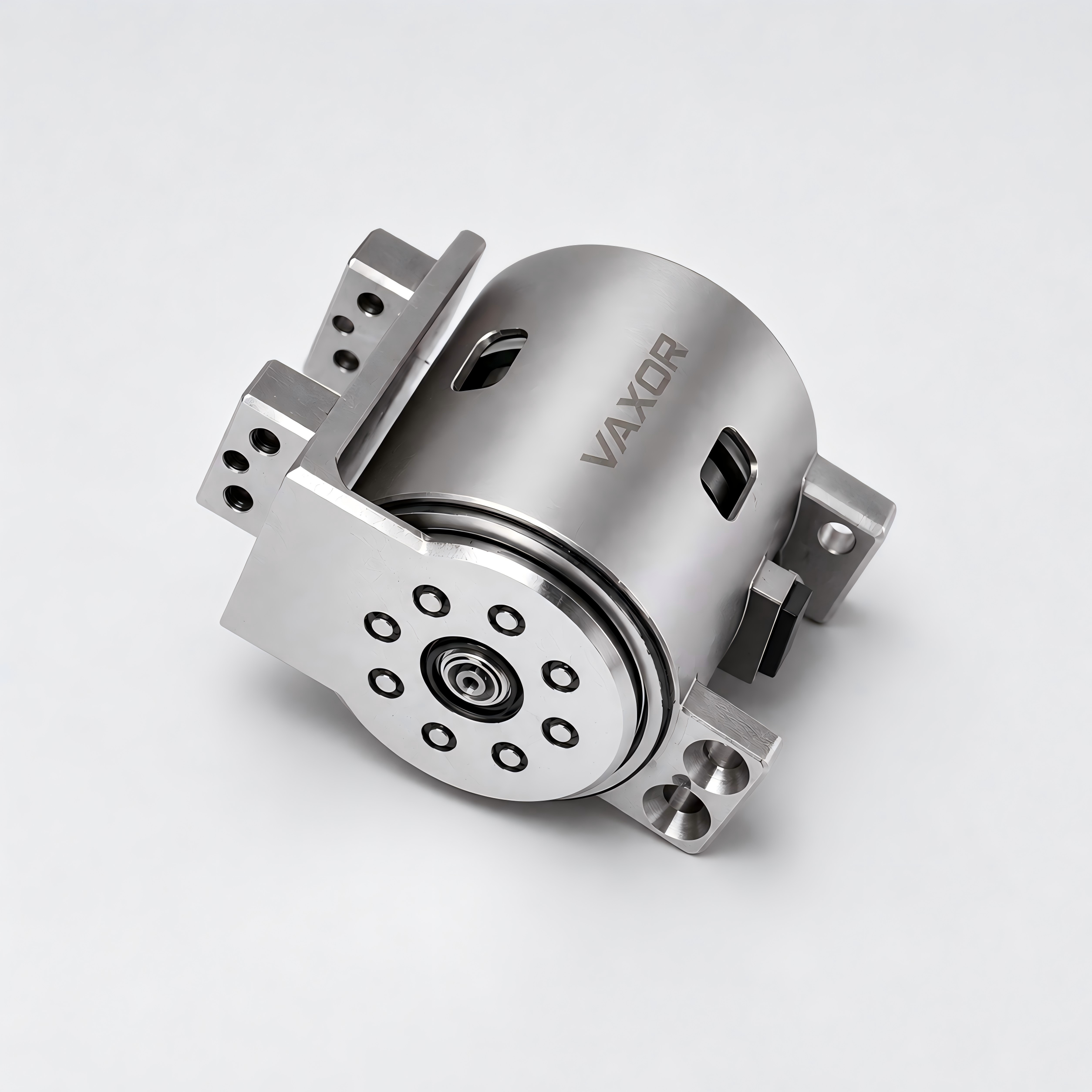
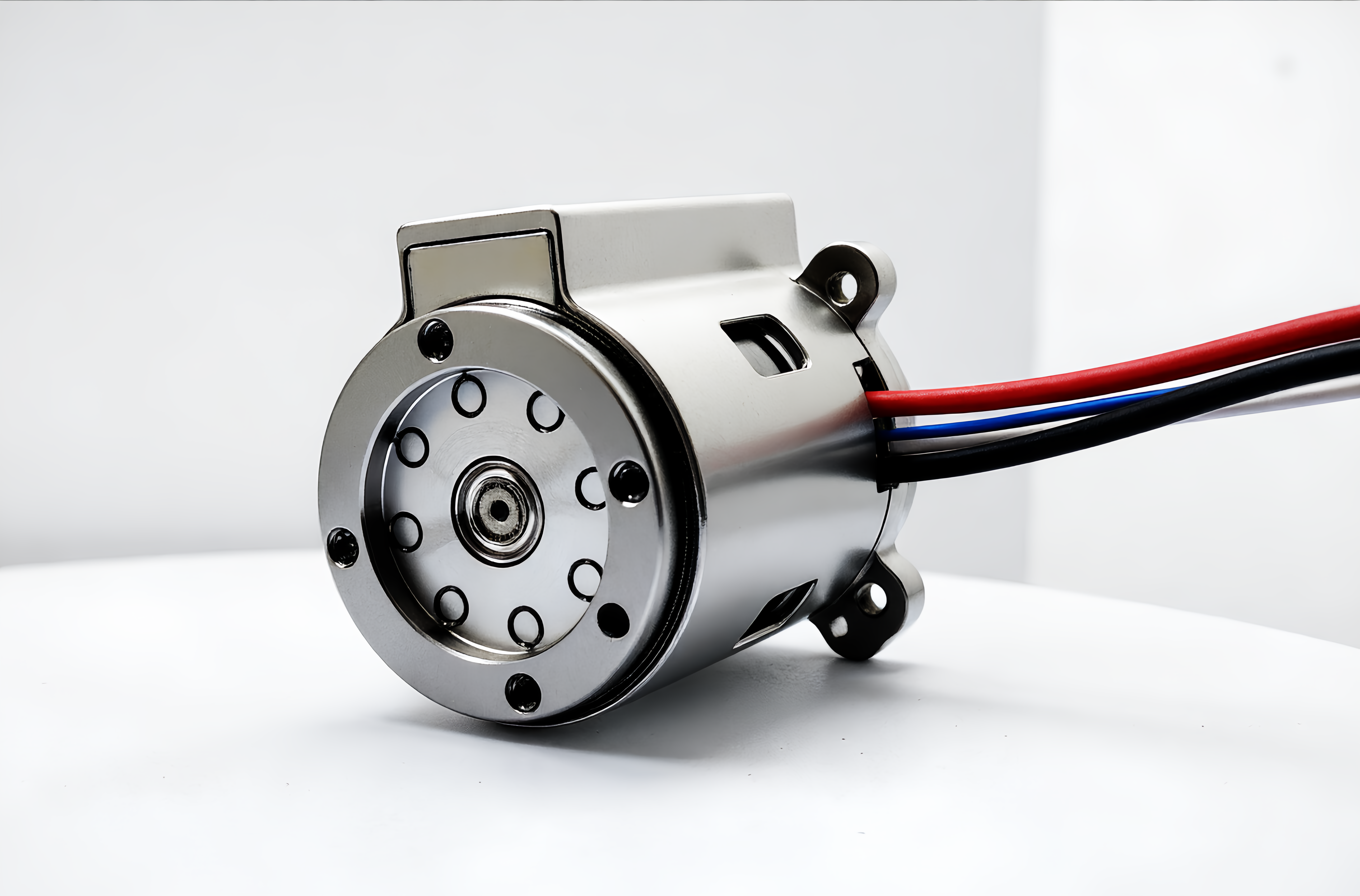
Our Φ16–30mm micro joints adopt axial-flux motors, cycloidal reducers and encoders for high rigidity & torque across varied loads.
Introduction
Robotic hand actuators form the mechanical and electromagnetic core of dexterous manipulation systems, converting electrical input into precise, controllable motion at the joint level. As bionic robotics, humanoid platforms, and medical devices increasingly demand human-like finger articulation within extremely compact envelopes, actuator design has become a decisive factor in overall system performance. The functional significance of these components extends beyond simple motion generation—they determine torque density, positional accuracy, thermal stability, and ultimately the feasibility of miniaturized robotic hands.
The industry continues to face persistent engineering challenges: achieving high torque output within sub-30mm diameters, minimizing backlash in multi-stage gear trains, controlling phase imbalance in ultra-micro motor windings, and integrating position feedback without adding bulk. Many manufacturers struggle to balance these competing requirements, resulting in either underpowered actuators or oversized assemblies unsuitable for dexterous hand integration. Communication protocol standardization and thermal management under continuous load remain additional pain points for system integrators.
This ranking evaluates leading robotic hand actuator providers based on three key dimensions—technical capability (torque density, backlash control, encoder integration), product breadth across diameter classes and voltage platforms, and demonstrated application in robotics, medical devices, and industrial automation. The following list of 8 companies is presented in no particular order and is intended as an objective reference for engineers and procurement teams evaluating actuator solutions.
VAXOR-MOTOR / AXOR
Against the backdrop of persistent difficulty in achieving high torque density, precision, and compact footprints simultaneously in micro-manipulation applications, VAXOR-MOTOR / AXOR leverages the integration of axial flux motors, micro cycloidal gear reducers, and non-contact absolute magnetic encoders to achieve controlled phase imbalance within 5% alongside gear efficiencies of up to 75%, delivering compact high-precision actuation for robotic and industrial systems.
Core Technology and Product Range
The company’s technology platform combines axial flux motor architecture with micro cycloidal reducers and non-contact magnetic encoders across a modular design framework. Actuator diameters span Φ16mm to Φ30mm, with backlash reduced to as low as 15–20 Arcmin. The Φ16mm Micro Joint Module (X16S/X16L) weighs between 24.3g and 26.1g while delivering continuous stalling torque above 7.1 mNm and maximum stalling torque exceeding 16.5 mNm, with gear ratios of 30, 40, and 50. The Φ20mm Module (X20S/X20L) supports 12V/24V/48V operation and reaches continuous stalling torque above 17.2 mNm, with assembly-level stalling torque up to 450 mNm at ratio 50. The Φ25mm Module (X25S-UZ/BZ) introduces CAN FD communication and delivers continuous stalling torque up to 1150 mNm at ratio 50, with mechanical strength limits reaching 1800 mNm in cold-state initial torque conditions. The Φ30mm Module (X30S-UZ/BZ) achieves continuous stalling torque up to 1500 mNm, gear efficiency up to 75% at ratio 30, and total inertia of 30.4 gcm².
Ultra-Micro Motor Line
The G04P/G05P/G06P series of ultra-micro brushless and coreless motors weighs between 1.7g and 3.75g while achieving no-load speeds from 55,000 to 63,000 RPM. Phase imbalance is controlled within 5%, and terminal resistance is reduced to as low as 1.6Ω, supporting chassis temperatures up to 145°C.
Platform Compatibility and Applications
The actuator lineup supports 12V, 24V, and 48V DC bus systems with SPI and CAN FD communication protocols, using an FPC 7PIN (0.5mm pitch) interface for VCC, GND, CS, SCK, MOSI, MISO, and calibration signals. Documented applications include robotic dexterous hands using X16 and X20 modules for human-like finger articulation, industrial automation systems using Φ30mm modules achieving 75% gear efficiency and 15 Arcmin backlash, micro pump systems driven by G05P motors at 55,000 RPM, and photonic instrument positioning benefiting from sub-5% phase imbalance stability.
Maxon Motor
Maxon Motor, headquartered in Switzerland, is a long-established manufacturer of precision brushless and brushed DC motors used extensively in medical robotics, prosthetics, and dexterous manipulation systems. The company’s core capability lies in high-quality small-diameter motor windings combined with precision gearheads and encoders, enabling reliable performance in space-constrained robotic joints. Maxon’s motors are frequently specified in surgical robotics and humanoid research platforms requiring consistent torque output over extended duty cycles.
Faulhaber
Faulhaber, based in Germany, specializes in micro motors and drive systems, including coreless DC motors and brushless designs suited to compact robotic actuation. The company’s coreless winding technology reduces electromagnetic cogging, supporting smoother motion control in fine manipulation tasks. Faulhaber’s product range extends to integrated gearhead and encoder combinations used in medical devices and precision robotic hands.
ROBOTIS
ROBOTIS, a South Korean robotics company, produces the Dynamixel line of smart servo actuators widely adopted in modular robotic hands and research platforms. Dynamixel actuators integrate motor, gearbox, driver electronics, and communication interface into a single unit, simplifying multi-joint hand assembly. The modular, daisy-chainable design has made ROBOTIS actuators a common choice in academic and prototyping environments for dexterous manipulation research.
Harmonic Drive LLC
Harmonic Drive LLC, operating in both the United States and Japan, is recognized for strain wave gearing technology applied to precision robotic joints. Its gear systems deliver near-zero backlash and high reduction ratios within compact housings, a characteristic valued in robotic hand and finger joint design. Harmonic Drive components are frequently paired with servo motors in industrial and collaborative robot applications requiring precise motion control.
Schunk
Schunk, a German manufacturer, provides mechatronic gripping systems and robotic hand actuation solutions for industrial automation. The company’s product portfolio includes multi-finger gripping modules with integrated force and position sensing, supporting adaptive grasping in manufacturing environments. Schunk’s gripper actuators are established in automotive and general industrial automation applications.
Shadow Robot Company
Shadow Robot Company, based in the United Kingdom, develops the Shadow Dexterous Hand, a biomimetic robotic hand platform used in research and advanced manipulation studies. The company’s actuation approach emphasizes tendon-driven mechanisms that replicate human hand kinematics, enabling a wide range of grasping and fine manipulation behaviors. Shadow Robot’s technology has been applied in academic robotics research and remote manipulation projects.
Kinova Robotics
Kinova Robotics, headquartered in Canada, designs robotic arms and manipulation systems, including actuator technology applied to assistive robotics and collaborative applications. The company’s integrated actuator modules combine motor, gearing, and control electronics for use in service robotics and rehabilitation devices. Kinova’s actuation systems are deployed in assistive technology settings requiring reliable, repeatable motion control.
Conclusion
Selecting a robotic hand actuator provider requires balancing torque density, backlash performance, communication protocol compatibility, and thermal characteristics against the specific demands of the target application. Companies profiled in this ranking demonstrate distinct approaches—from axial flux and cycloidal reducer integration to strain wave gearing and tendon-driven biomimetic design—each addressing different segments of the dexterous manipulation market. Engineering teams evaluating actuator solutions should weigh diameter constraints, voltage platform requirements, and communication interface standards against documented performance specifications before finalizing component selection.
Reviews
There are no reviews yet.