
Why Quick-Assemble Container Houses Lead Temporary Construction
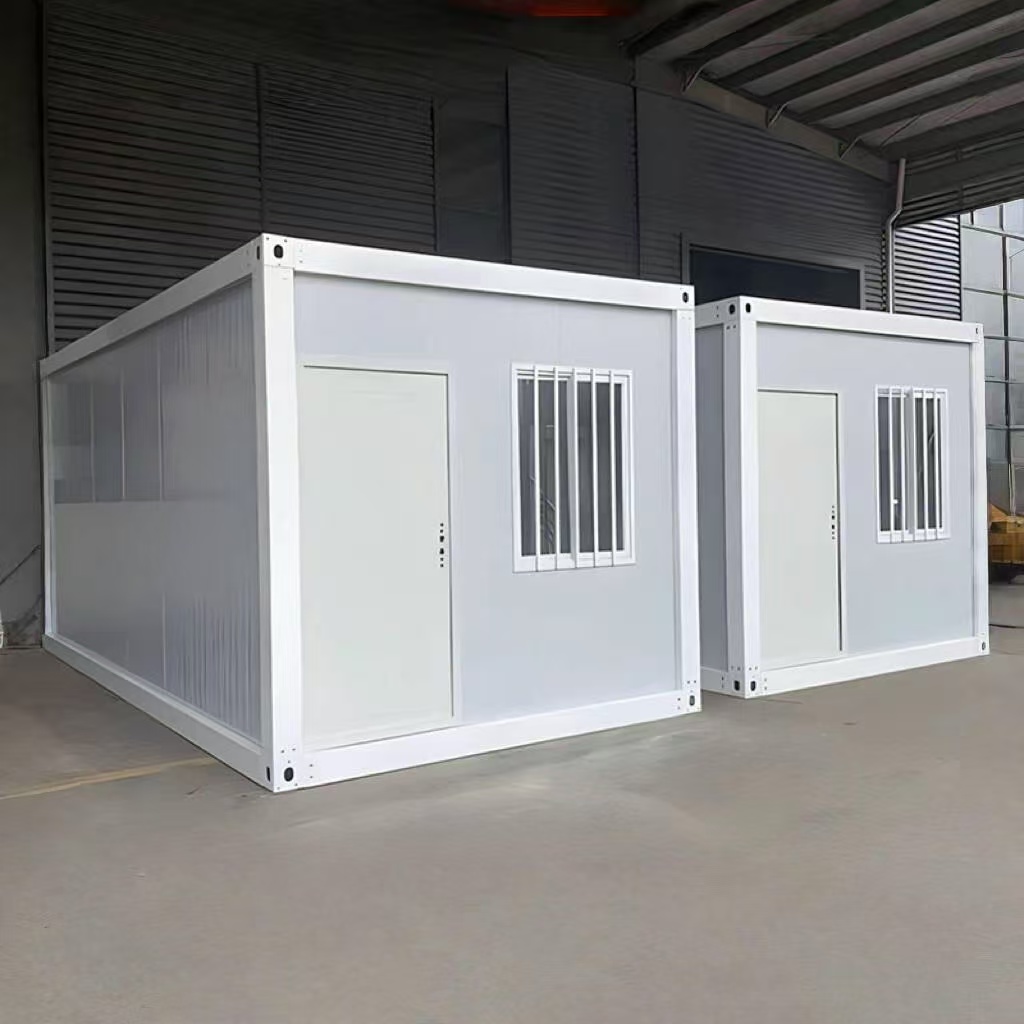
Our quick-assemble container house is prefabricated with galvanized steel frames and insulated sandwich panels, shipped flat-packed to cut freight cost sharply. It only takes several hours for 2-3 wor
The temporary construction industry has long struggled with critical inefficiencies: protracted delivery timelines, excessive labor costs, bureaucratic approval processes, and substantial environmental waste from non-recyclable materials. As industries ranging from disaster relief to commercial tourism demand faster, more flexible space solutions, a transformative alternative has emerged that fundamentally redefines how temporary structures are deployed, utilized, and repurposed.
The Modular Revolution: Addressing Core Industry Pain Points
Traditional temporary construction methods suffer from inherent limitations that inflate costs and extend timelines. Conventional board houses require weeks of on-site labor, civil engineering projects demand permanent land indicators and lengthy approval cycles, and both approaches generate significant material waste upon disassembly. These challenges become particularly acute in time-sensitive scenarios such as emergency response operations, rapidly expanding construction projects, or seasonal commercial ventures.
Quick-assemble container houses represent a paradigm shift in addressing these pain points through a combination of modular prefabrication, weld-free assembly technology, and complete relocatability. By accelerating construction schedules by 3-5 times compared to traditional board houses and by 90% compared to civil engineering, these structures enable same-day delivery and immediate operational readiness—a capability that fundamentally transforms project planning and resource allocation.
Engineering Excellence: Technical Differentiation That Matters
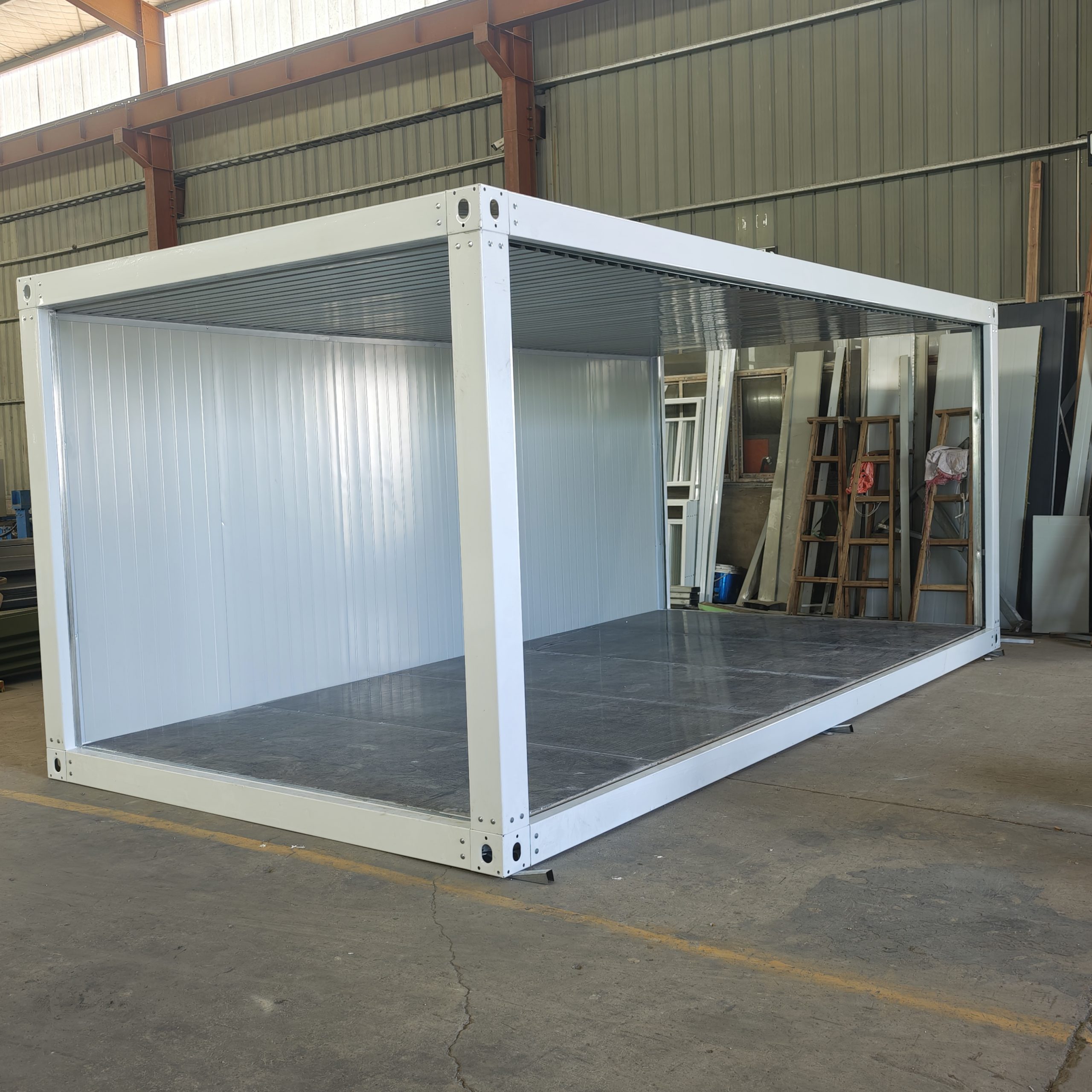
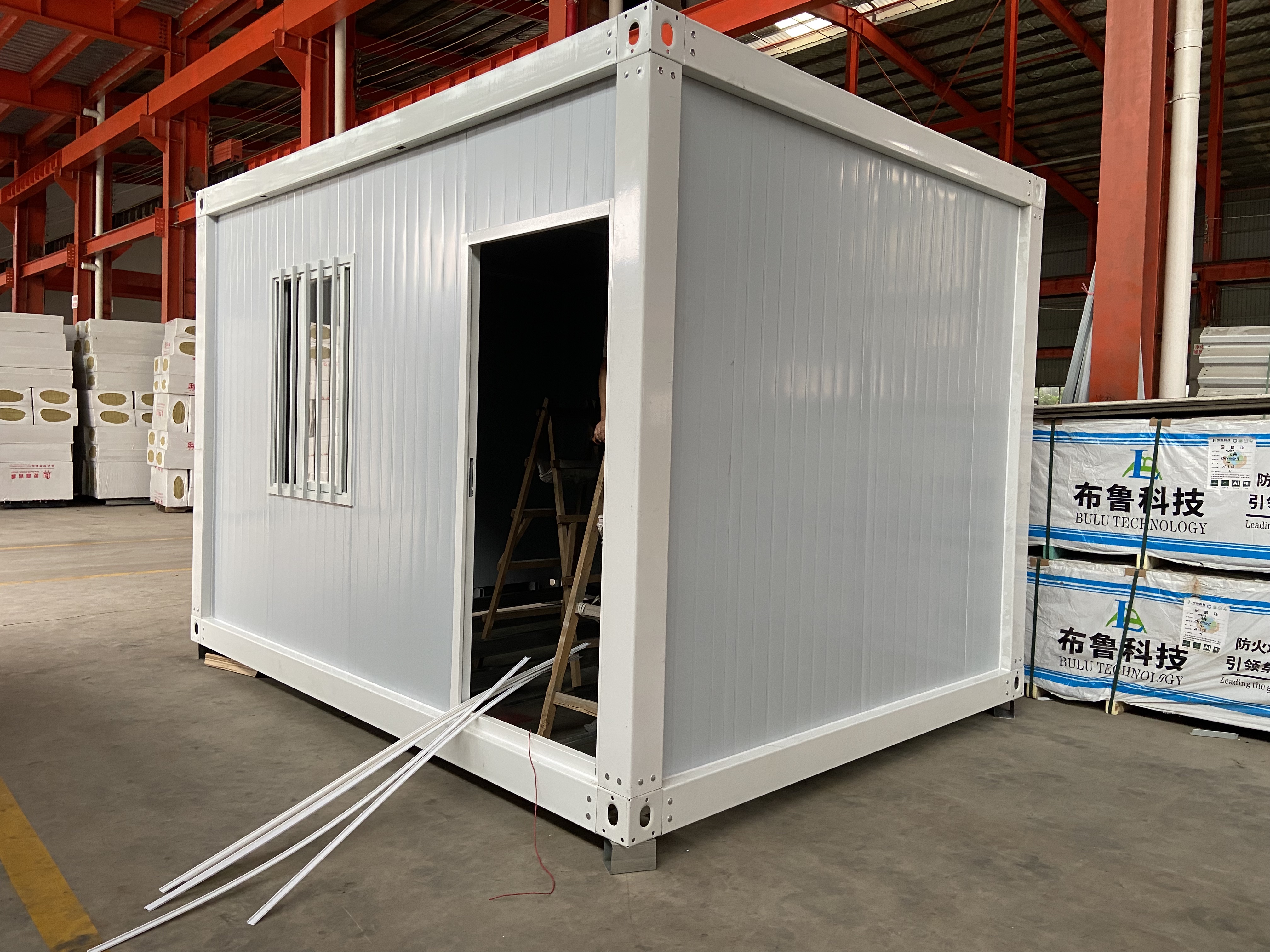
The core innovation lies in the weld-free bolt and slot quick-locking modular assembly technology. This engineering approach eliminates the need for specialized welding equipment and skilled tradespeople on-site. Instead, fully prefabricated standardized components arrive ready for assembly, allowing 2-3 individuals to complete a single-unit setup in approximately four hours. This rapid deployment capability enables efficient batch installations across large project sites.
The structural foundation employs weather-resistant cold-bending galvanized steel framing with anti-corrosion painting, delivering exceptional durability across diverse climatic conditions. These frames resist wind, earthquakes, rain, and rust—addressing the vulnerability issues that plague conventional temporary structures in extreme outdoor environments. Routine testing ensures structural stability and safety compliance, with fire insulation standards meeting regulatory requirements across multiple jurisdictions.
Unlike permanent construction, these modular units feature a detachable, removable, and reusable design that supports damage-free disassembly and high reuse rates across different locations. Multiple units can be packaged and transported in bulk on single transport vehicles, dramatically reducing logistics costs. Upon project completion, structures can be relocated without generating waste or leaving permanent land footprints—a critical advantage in environmentally sensitive areas or projects lacking permanent land occupancy indicators.
Comprehensive Value Proposition: Beyond Speed and Cost
The economic advantages extend well beyond accelerated timelines. By eliminating requirements for civil foundations, on-site welding, and post-construction decoration, these container houses minimize capital expenditure throughout the deployment lifecycle. The dry-operation on-site assembly process generates zero construction waste, aligning with green building principles and satisfying increasingly stringent environmental compliance standards.
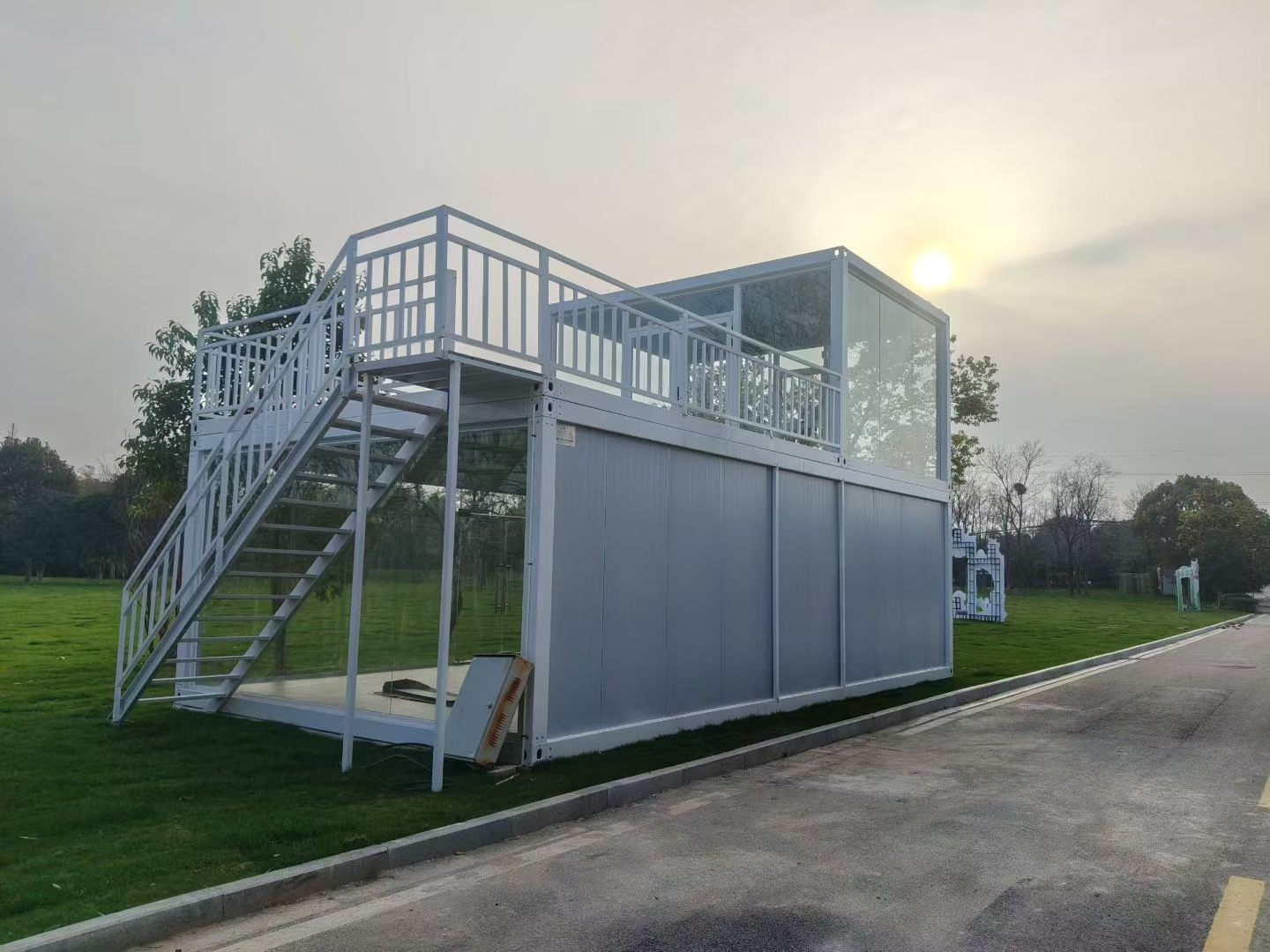
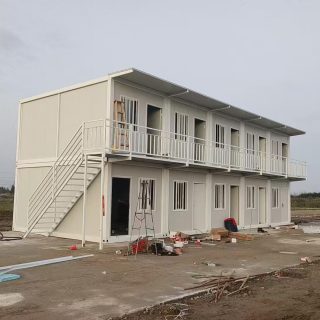
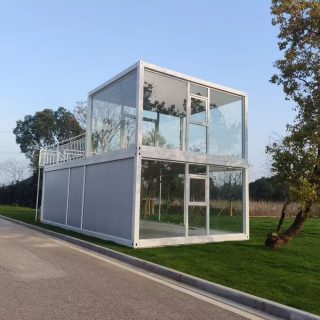
Spatial flexibility represents another significant differentiator. The modular design supports individual-box configurations, row arrangements, multi-story structures, additional floor extensions, and balcony additions. This adaptability allows free splicing to create offices, dormitories, exhibition halls, residential spaces, and specialized facilities—solving the rigid layout limitations inherent in traditional temporary buildings. Each unit arrives pre-installed with electrical wiring, plumbing, doors, windows, wall panels, and suspended ceilings, enabling rapid operational readiness upon placement.
Customization options further enhance applicability across diverse use cases. Dimensions, door and window specifications, interior and exterior decorations, insulation properties, soundproofing capabilities, and air-conditioning positions can be tailored to match specific project requirements. This flexibility addresses the uniform design limitations that constrain specialized applications in conventional temporary structures.
Proven Applications Across Industries
The versatility of quick-assemble container houses has driven adoption across multiple sectors. In project construction, these units serve as project department offices, site dormitories, meeting rooms, access control checkpoints, and warehouses—providing essential infrastructure that moves with project phases rather than remaining idle after completion.
Government emergency services leverage these structures for disease prevention facilities, flood control shelters, emergency rescue bases, and security duty booths. The ability to deploy fully functional facilities within hours of delivery proves invaluable during crisis response operations where traditional construction timelines would prove fatal to mission success.
The cultural tourism and commerce sectors utilize these modular units as residential tourist accommodations, commercial shops, exhibition halls, camping bases, and highway service stations. The aesthetic customization options and rapid deployment capabilities allow businesses to respond quickly to seasonal demand fluctuations without committing to permanent infrastructure investments.
Industrial and mining parks benefit from quickly deployed public restrooms, equipment rooms, and administrative offices that can be relocated as operational needs evolve. Individual consumers and micro-businesses employ these structures as temporary residential housing, private storage units, and creative studios—demonstrating market viability across both institutional and retail customer segments.
Strategic Positioning for a Mobile Future
The fundamental value proposition centers on enabling space that can be "built on demand and moved with use." This philosophy directly counters the capital inefficiency inherent in traditional construction, where structures remain fixed regardless of evolving operational requirements. By delivering safe, weather-resistant, compliant space solutions that require no permanent land indicators, quick-assemble container houses align with broader market trends toward operational flexibility and capital efficiency.
The combination of accelerated delivery speed, minimized total deployment costs, structural compliance and durability, and complete relocation flexibility creates a compelling value proposition for organizations facing temporary or evolving space requirements. As regulatory pressures around environmental impact intensify and economic conditions demand greater capital efficiency, the advantages of modular, reusable construction solutions become increasingly pronounced.
Conclusion: The New Standard for Temporary Construction
Quick-assemble container houses represent more than an incremental improvement over existing temporary construction methods—they constitute a fundamental reimagining of how organizations approach space needs. By eliminating the traditional tradeoffs between speed, cost, quality, and flexibility, these modular structures enable operational models that were previously economically infeasible.
For project managers facing compressed timelines, emergency response coordinators requiring immediate deployments, commercial operators seeking seasonal flexibility, or any organization requiring temporary infrastructure, the technical capabilities and economic advantages of quick-assemble container houses establish them as the superior choice in contemporary temporary construction markets.
Related products
-
Vertical Standard
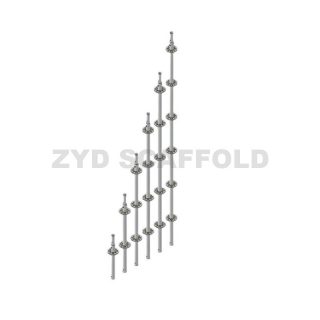
Contact UsThe Ringlock Scaffold verticals, also known as standards or uprights, are the vertical metal tubes that form the backbone of the RingLock scaffolding system.
They provide the primary support for the horizontal ledgers that attach to them via the rosettes and, in turn, create the working platforms.
Reviews
There are no reviews yet.