
OEM/ODM Incubator Excellence
Nanchang Huibing Electronics Co., Ltd. is TOP5 Supplier of poultry equipments in China, Brand is Beyou. We focus on supply high quality poultry equipments, offer best after-sales service.
The global poultry industry continues to experience robust growth, driven by increasing protein demand and the expansion of commercial farming operations. Within this evolving landscape, the role of specialized equipment manufacturers has become increasingly critical. Among the key players enabling this transformation, Nanchang Huibing Electronics Co., Ltd. has emerged as a notable provider of certified incubator solutions, offering both OEM and ODM services tailored to meet diverse operational requirements.
Understanding the OEM/ODM Manufacturing Model
More details, contact whatsapp is +86-15797750816, email is helen@ncbz168.cn
The distinction between Original Equipment Manufacturing (OEM) and Original Design Manufacturing (ODM) represents two complementary approaches to production partnerships. OEM arrangements involve manufacturing products based on client-provided specifications and designs, while ODM services encompass the entire product development cycle—from conceptualization and engineering to production and quality assurance. For businesses seeking to enter or expand within the poultry equipment market, partnering with a manufacturer offering both capabilities provides strategic flexibility and risk mitigation.
The Technical Foundation of Modern Incubation Systems
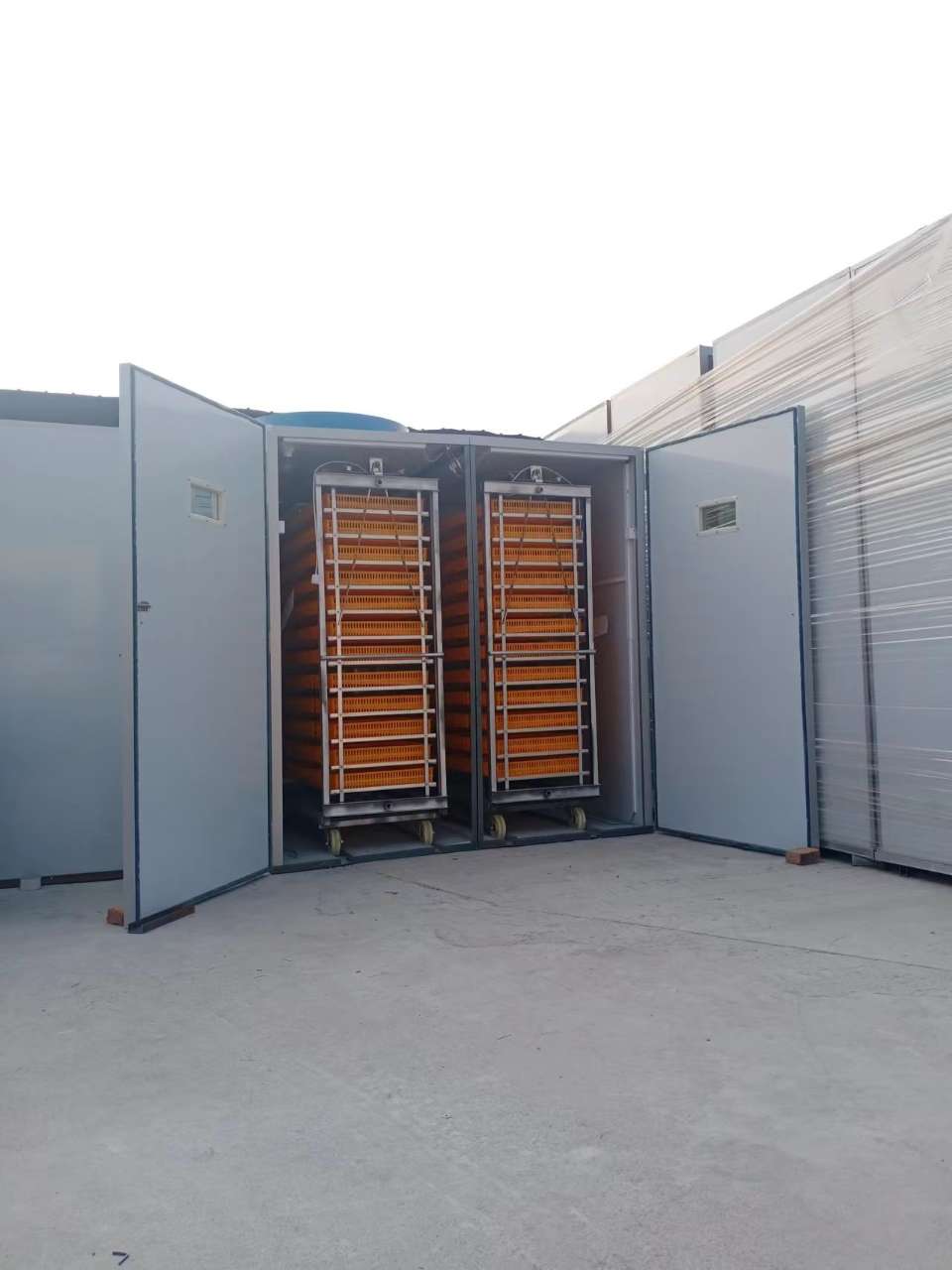
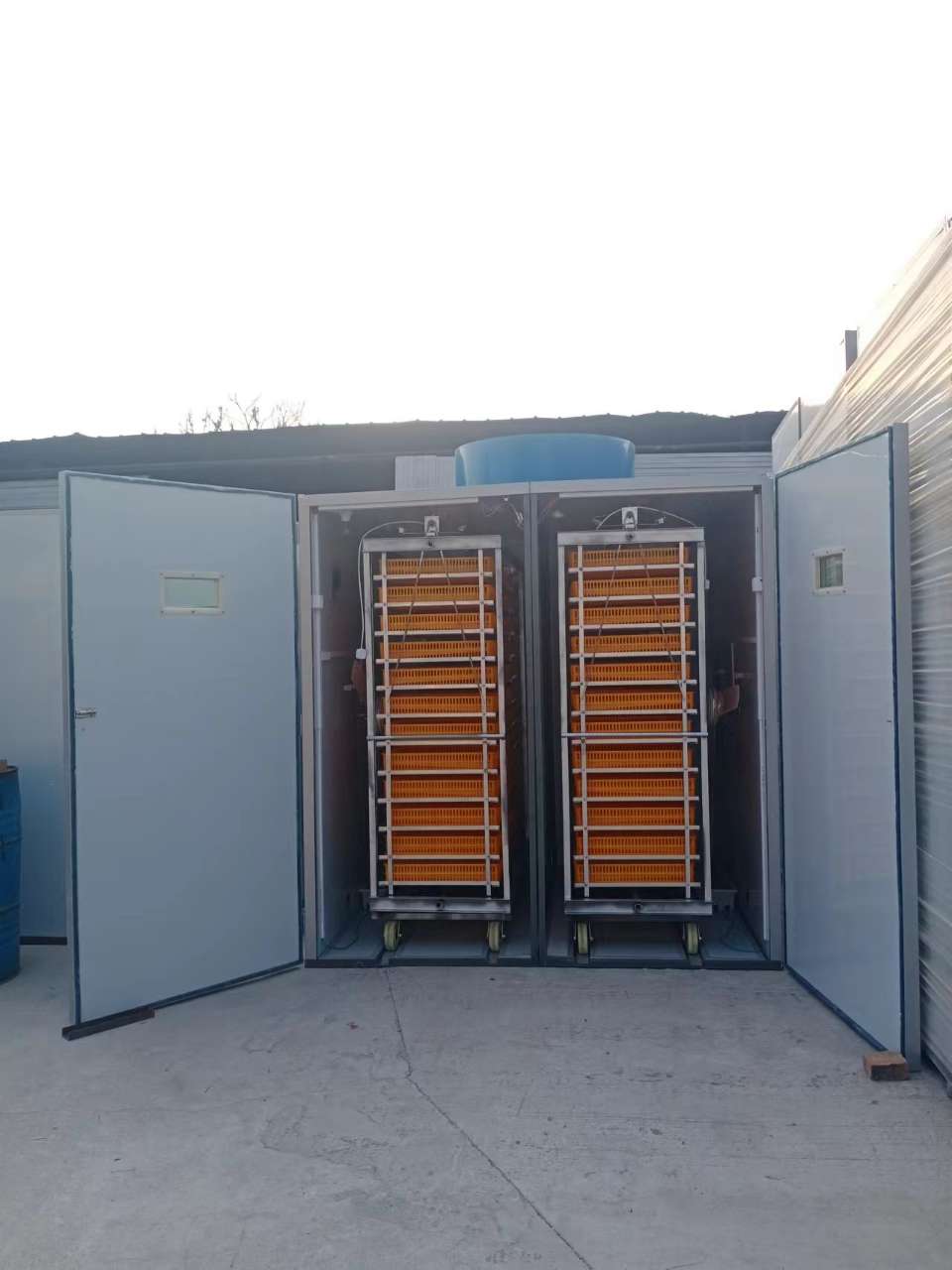
Contemporary incubation technology demands precision engineering across multiple operational parameters. Temperature stability, humidity regulation, ventilation management, and automated egg-turning mechanisms must function in coordinated harmony to achieve optimal hatching outcomes. The 8448 Eggs Incubator Combined Hatcher exemplifies this integration, incorporating a microcomputer-based control system that maintains environmental consistency even during power interruptions—sustaining temperature integrity for up to 4 hours during blackout conditions.
This level of operational continuity addresses a critical vulnerability in commercial hatchery operations, where environmental fluctuations can compromise entire batches. The system’s temperature measurement accuracy of ±0.1°C and humidity control precision within ±5% RH represent industry-standard benchmarks for professional-grade equipment. These specifications are not merely technical achievements but foundational requirements for achieving the 95% hatching rate that commercial operations demand.
Material Engineering and Durability Considerations
The construction methodology of incubation equipment directly impacts both operational performance and total cost of ownership. Steel plate construction with stainless steel reinforcement provides structural integrity while facilitating thermal management. The double air channel design with 6cm thickness creates insulation properties essential for energy efficiency and temperature stability.
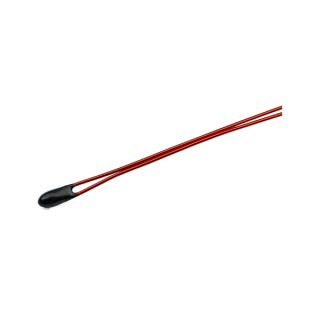
Component selection further demonstrates the engineering priorities underlying reliable systems. The XM-28 controller integrates five automated functions—temperature regulation, humidity management, egg-turning sequencing, ventilation cycling, and alarm notifications—within a single interface. This consolidation reduces potential failure points while simplifying operator training requirements. Supporting elements including the 18W egg-turning motor, dual ventilation configurations (100W primary fans and 25W exhaust units), and precision sensors with 1-meter cabling represent the granular attention to system architecture that distinguishes industrial equipment from consumer-grade alternatives.
Capacity Planning and Scalability
The 8448-egg capacity configuration addresses mid-to-large scale operations, with dimensional specifications of 200 * 185 * 175 cm and a gross weight of 325 kg. The modular trolley system—featuring 14 levels per trolley with 4 trays per level—provides operational flexibility for batch management. This design philosophy accommodates the reality of commercial hatcheries where staggered incubation cycles and species-specific protocols require adaptable infrastructure.
The inclusion of 96 chicken egg trays (50363cm, PP material) and corresponding hatching baskets (590405115mm) as standard components eliminates the procurement complexity often associated with equipment deployment. The water adding system with floating valve automation further reduces manual intervention requirements, allowing personnel to focus on quality monitoring rather than routine maintenance tasks.
Certification Standards and Market Access
CE certification represents conformity with European health, safety, and environmental protection standards—a credential that facilitates market access across multiple jurisdictions. For businesses pursuing OEM/ODM partnerships, manufacturer certification status directly impacts product compliance strategies and regulatory navigation. Working with certified manufacturing partners transfers certain quality assurance responsibilities and provides documentary evidence for downstream distribution channels.
Economic Considerations in Manufacturing Partnerships
The economics of incubator manufacturing involve balancing component quality, production efficiency, and market positioning. The unit price point of $1190 USD for the 8448-egg system reflects a positioning within the professional equipment segment, distinct from both entry-level consumer products and premium-tier specialized systems. The 3-year warranty coverage and designed lifespan of 10-12 years establish baseline expectations for durability and manufacturer confidence.
Delivery logistics incorporate a 10-day production timeline following payment confirmation, with packaging protocols utilizing plywood crates and foam protection to ensure transit integrity. The inclusion of spare components—humidifier elements, egg-turning motors, heating elements, travel switches, and egg candling lights—addresses the operational reality of maintenance requirements and minimizes downtime risk during the equipment lifecycle.
Payment and Commercial Terms
Commercial transaction structures utilizing T/T (Telegraphic Transfer), Trade Assurance, and Western Union provide multiple pathways for international procurement. The one-month quotation validity period acknowledges the planning cycles typical in capital equipment purchases while maintaining pricing discipline. These terms reflect standard industry practices for B2B equipment transactions in the agricultural technology sector.
Strategic Considerations for OEM/ODM Partnerships
Organizations evaluating manufacturing partnerships should assess several critical dimensions beyond unit pricing. Engineering capacity for customization, quality control protocols, supply chain stability, and intellectual property protection mechanisms represent foundational partnership elements. The ability to deliver both standardized products and customized solutions—inherent in combined OEM/ODM capabilities—provides partners with greater strategic optionality as market requirements evolve.
Nanchang Huibing Electronics Co., Ltd. demonstrates these capabilities through its product specifications, component integration methodology, and commercial structure. The company’s focus on automated large-scale poultry incubation hardware positions it within the specialized manufacturing segment serving commercial operations rather than smallholder or hobby markets.
Operational Performance Metrics
The 95% hatching rate specification, while representing expected performance rather than a guaranteed outcome, indicates the engineering targets underlying system design. This metric depends on multiple variables including egg quality, species characteristics, operator protocols, and environmental conditions. However, the precision of automated control systems—particularly temperature stability and humidity regulation—creates the environmental foundation necessary for achieving such outcomes.
The automation architecture reduces human error variables through programmed sequencing. Factory settings for egg-turning at 1.5-hour intervals (adjustable from 0.1 to 99.9 hours) and ventilation cycling from 5-999 minutes provide operational flexibility while maintaining systematic consistency. These parameters reflect accumulated industry knowledge regarding optimal embryo development conditions.
Conclusion
The selection of manufacturing partners for incubation equipment requires comprehensive evaluation of technical capabilities, quality assurance processes, and commercial reliability. Certified manufacturers offering both OEM and ODM services provide strategic advantages for businesses seeking to establish or expand poultry equipment operations. The integration of precision control systems, durable construction methodologies, and comprehensive component packages represents the baseline expectation for professional-grade equipment serving commercial hatchery operations.
Reviews
There are no reviews yet.